
What is a Conjunctival Papilloma?
A conjunctival papilloma is a benign growth or wart-like bump that develops on the conjunctiva, which is the clear membrane that covers the white part of your eye and lines the inside of your eyelids. The word benign simply means it’s not cancerous. These growths are usually small and harmless, though they can be uncomfortable and may affect your vision depending on their size and location on your eye.
The conjunctiva is an incredibly important tissue because it’s constantly exposed to the environment and helps protect your eye from dust, bacteria, and other harmful particles. When the conjunctiva becomes irritated or infected, especially by certain viruses, these papillomas can develop. Think of them as small bumps similar to warts you might get on your skin, but in this case, they appear on the surface of your eye. Understanding this condition is crucial for anyone who experiences eye discomfort or notices unusual growths on their eyelids or eye surface.
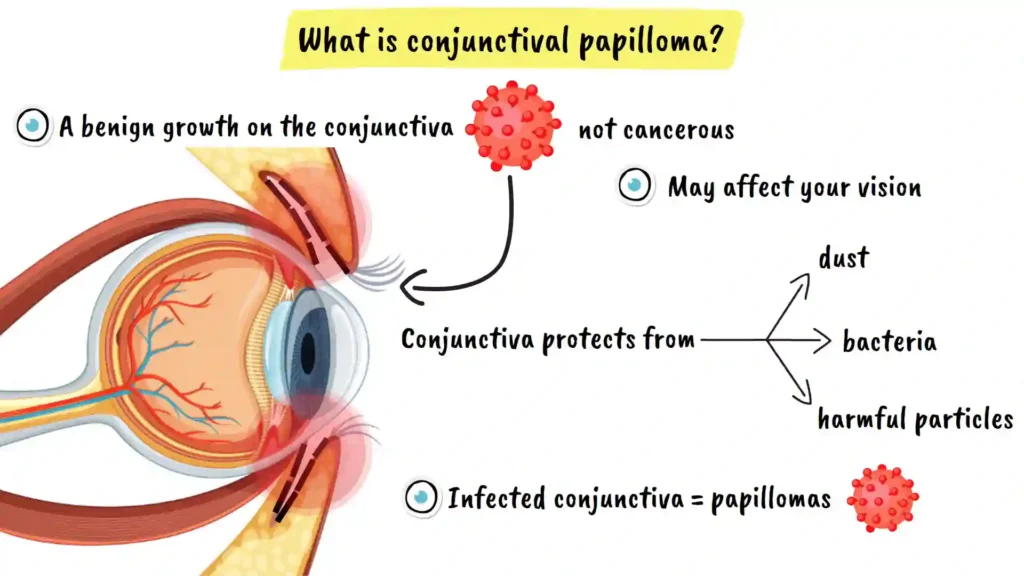
The conjunctiva acts as a barrier between your eyes and the external world, making it vulnerable to various irritants and pathogens. When this protective membrane is compromised or exposed to certain viral agents, the tissue can react by forming these small papillomas. It’s important to recognize that while these growths are benign and typically not serious, they warrant proper medical attention to ensure accurate diagnosis and appropriate management.
Recognizing the Symptoms of Conjunctival Papilloma
Understanding the symptoms of conjunctival papillomas is essential for early detection and treatment. Many people experience a persistent foreign body sensation, which means they feel like there’s something stuck in their eye even though there isn’t. This sensation can be quite bothersome and may persist throughout the day, affecting your comfort and daily activities.
You might experience redness and irritation in the affected eye. This occurs because the papilloma is essentially a growth on the delicate tissue of the conjunctiva, which triggers an inflammatory response. Some patients notice mucous discharge or watery eyes that seem more watery than usual, sometimes more than what they experience with typical eye irritation from environmental factors.
You could experience mild eye discomfort or a scratchy feeling, particularly when blinking. Some people describe this sensation as similar to having a minor irritant in the eye that won’t go away. The intensity of this symptom varies from person to person depending on the size and sensitivity of the individual.
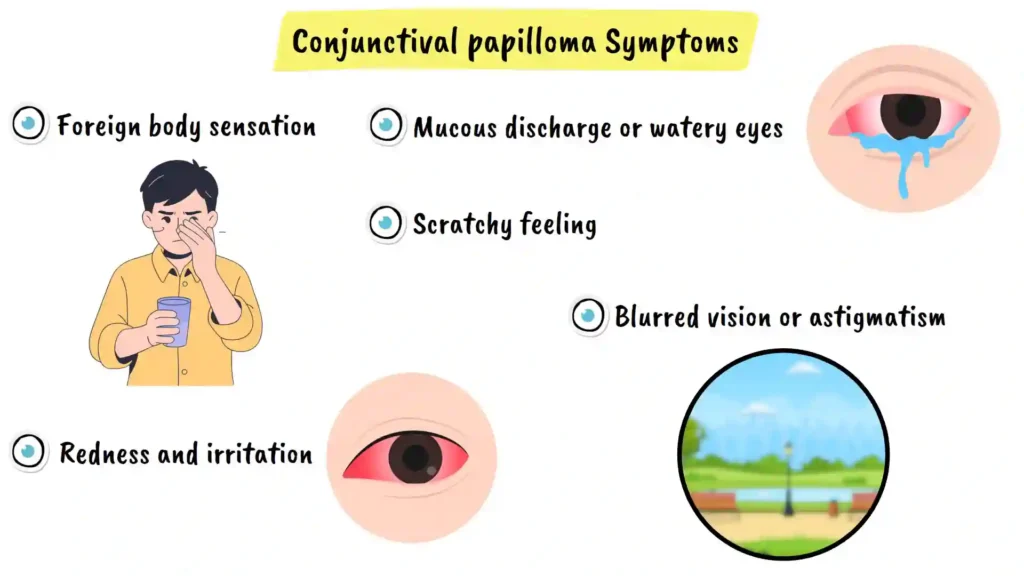
Depending on the size and location of the papilloma, some people notice blurred vision or astigmatism, which means the cornea is curved unevenly, causing blurry vision. If the papilloma is located in a position that interferes with light entering the eye properly, it can affect your visual clarity and overall eye function.
The severity of symptoms doesn’t always correlate with the size of the papilloma. Some individuals with relatively small growths experience significant discomfort, while others with larger papillomas may have minimal symptoms. This variation is why it’s important to have any eye growths evaluated by an eye care professional, regardless of symptom severity.
Understanding the Causes Behind Conjunctival Papillomas
The primary culprit behind conjunctival papillomas is the human papillomavirus, commonly known as HPV. This is a virus that many people carry without even knowing it. HPV is most commonly transmitted through direct contact, and certain strains are more likely to cause eye papillomas than others. The virus can lay dormant in the body for extended periods before manifesting as visible growths.
Some people are simply more susceptible to developing these growths when exposed to HPV, which means their immune system may not fight off the virus as effectively as others do. Individual immune response plays a significant role in whether someone develops papillomas after exposure to the virus. Factors such as age, overall health status, and immune function influence this susceptibility.
Environmental factors can also play a significant role in the development of conjunctival papillomas. Chronic irritation from dust, chlorine, or other environmental substances can weaken the conjunctiva and make it more vulnerable to viral infection. People who work in dusty environments or frequently expose their eyes to chlorine, such as professional swimmers, may have increased risk. Additionally, people with weakened immune systems due to certain conditions or medications may be at higher risk of developing papillomas.
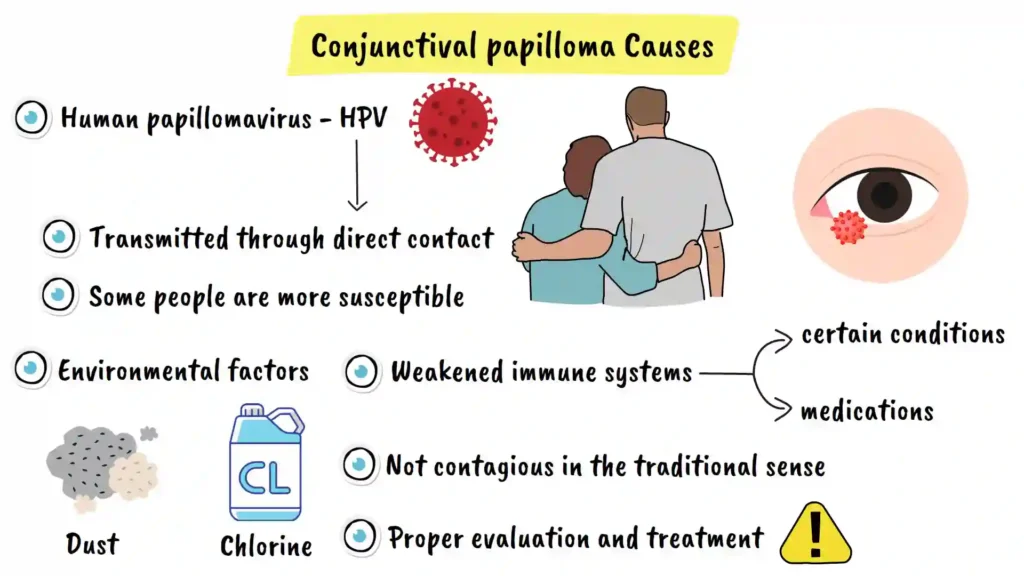
The combination of viral exposure and environmental stressors often creates the perfect conditions for these growths to develop. Someone who carries HPV but has never had symptomatic eye papillomas might develop them after prolonged environmental irritation weakens their conjunctival tissue. This is why understanding both viral and environmental risk factors is important for prevention and management.
The good news is that conjunctival papillomas are not contagious in the traditional sense, and they are not a sign of anything seriously wrong with your eye health. You don’t need to worry about transmitting this condition to family members through casual contact. However, they do require proper evaluation and treatment to ensure they don’t worsen or cause complications over time.
Treatment Options for Conjunctival Papilloma
Treatment for conjunctival papillomas depends on their size, growth rate, and whether they’re causing symptoms. The approach to management is highly individualized based on each patient’s specific situation. Your eye doctor will assess various factors before recommending the best course of action.
If a papilloma is small and not causing any problems, your eye doctor might simply monitor it over time with regular follow-up visits. This watchful waiting approach is often the first strategy, as many small papillomas remain stable and never require intervention. Regular monitoring ensures that any changes in size or appearance are detected early, allowing for timely treatment if necessary.
If the papilloma is growing rapidly, is causing significant discomfort, or is affecting your vision, your doctor will likely recommend removal. The most common treatment is surgical excision, which means the doctor carefully removes the growth under magnification. This is typically done as an outpatient procedure with local anesthesia, meaning you’ll be awake but your eye will be numbed so you don’t feel pain. Surgical excision offers precise control and allows the doctor to ensure complete removal of the lesion.
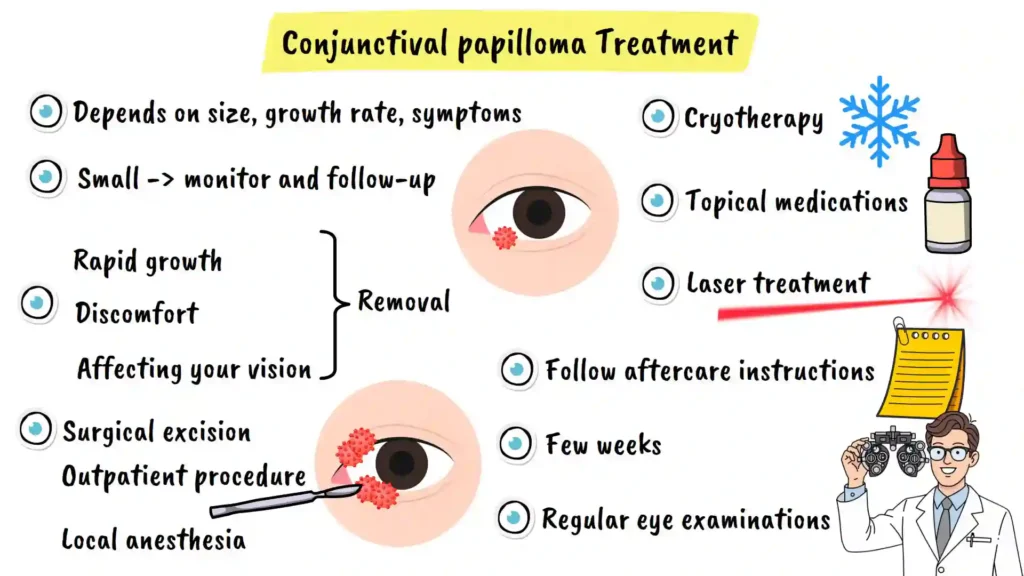
Your eye doctor may also use other advanced techniques like cryotherapy, which uses extreme cold to freeze and destroy the papilloma. This method is effective because it destroys the papilloma tissue while minimizing damage to surrounding healthy conjunctival tissue. Cryotherapy is often preferred for certain types of papillomas due to its effectiveness and the lower recurrence rate compared to some other methods.
Topical medications can be applied directly to the eye to help shrink the growth over time. These medications work by triggering the immune system to target and eliminate the papilloma tissue. Some doctors use laser treatment to remove the papilloma, which is a precise method that minimizes damage to surrounding healthy tissue. Laser treatment offers excellent precision and can be particularly useful for larger or more complex papillomas.
After treatment, it’s important to follow your doctor’s aftercare instructions carefully to ensure proper healing and minimize complications. Most people heal without complications within a few weeks. However, conjunctival papillomas can sometimes return, which is why regular eye examinations are essential following treatment. If your papilloma comes back, your doctor can discuss additional treatment options and may recommend more aggressive management strategies.
Prevention and Long-Term Eye Health
While you cannot always prevent conjunctival papillomas from developing, certain measures can reduce your risk. Maintaining good eye hygiene is fundamental. Avoid touching your eyes with unwashed hands, as this can introduce viruses and bacteria to the ocular surface. Wear protective eyewear when exposed to environmental irritants such as dust, chlorine, or chemicals.
If you spend significant time in chlorinated pools, consider wearing protective goggles to minimize direct conjunctival exposure. Similarly, if you work in dusty environments, proper eye protection can substantially reduce your risk. Maintaining a healthy immune system through proper nutrition, regular exercise, and adequate sleep also supports your body’s ability to fight off viral infections.
Final Thoughts
Conjunctival papillomas, while benign and typically harmless, deserve proper attention and professional evaluation. If you notice any unusual growths on your eye, experience persistent foreign body sensations, or have symptoms that suggest an eye condition, contact your eye care professional promptly. Early detection and appropriate management can prevent complications and ensure your continued eye health.
Understanding the nature of these growths, their symptoms, causes, and treatment options empowers you to make informed decisions about your eye care. Regular eye examinations are your best defense against eye conditions, allowing your doctor to detect and manage issues before they become more serious. Take your eye health seriously, and don’t hesitate to seek professional medical advice whenever you have concerns about your vision or eye comfort.
