
I was sitting at my desk the other day and I noticed something strange. The text on my computer screen had become fuzzy. At first, I thought maybe I needed to clean my monitor, but then I realized it was my eyes. I had blurred vision. This experience is far more common than you might think. Blurred vision is one of the most common eye problems that people experience, and if you are reading this article, chances are you have experienced it yourself at some point in your life.
Blurred vision affects millions of people worldwide, regardless of age or background. Whether you’re a student struggling to see the whiteboard, a professional working long hours at a computer, or a senior noticing changes in your eyesight, understanding what causes blurred vision is the first step toward protecting your vision. The good news is that most causes of blurred vision can be managed effectively when caught early.
What Exactly Is Blurred Vision?
Let’s start with the basics. What exactly is blurred vision? Well, think of your eye like a camera. A camera has a lens, and that lens focuses light onto film or a sensor to create a sharp, clear image. Your eye works the same way. You have a lens in your eye, and that lens focuses light onto the back of your eye, which we call the retina. The retina then sends that image to your brain, and your brain interprets it as the world around you.
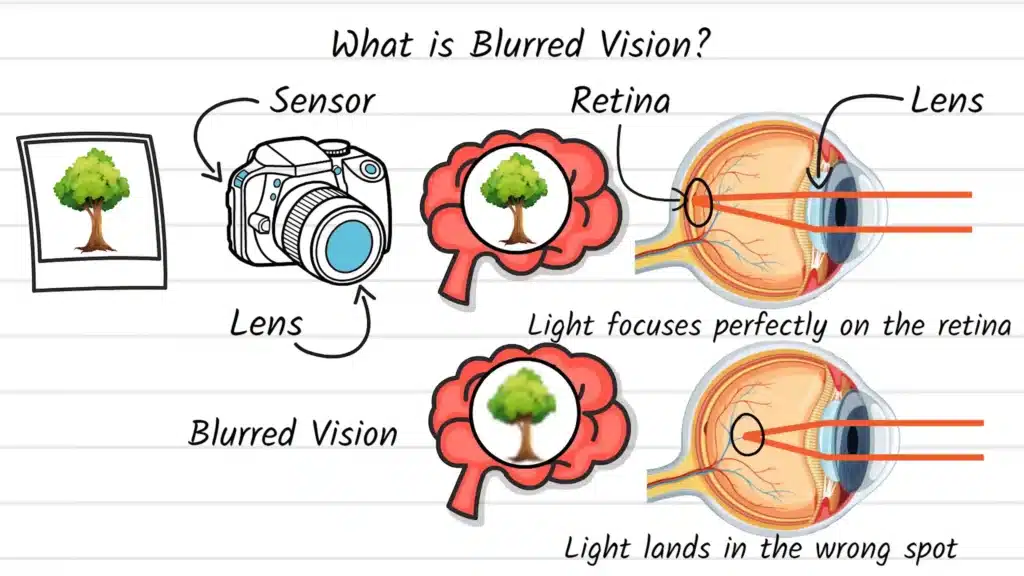
When your eye lens focuses light perfectly onto the retina, you see a sharp, clear image. But when something goes wrong with that focusing process, the light lands in the wrong spot on the retina, and the image becomes blurry. This is blurred vision. It is essentially your eye’s focusing system not working properly. Understanding this fundamental concept helps explain why different conditions can cause the same symptom of blurred vision.
The process of vision is remarkably complex. Light enters through the cornea, passes through the lens, and focuses on the retina. Any disruption in this pathway can result in blurred vision. This is why various conditions, some minor and some serious, can all produce the same symptom.
Common Causes of Blurred Vision
There are many different reasons why your eye’s focusing system might not work properly. Some are simple and easy to fix, while others might require more attention. Let’s talk about the most common causes of blurred vision that affect people today.
Refractive Errors: The Most Common Culprit
The first and most common cause is something called refractive error. Now, this is a fancy medical term, but it basically means your eye shape is not perfect for focusing light. Think about it like this. If your camera lens is slightly bent or shaped wrong, it will not focus light onto the sensor correctly. The same thing happens with your eye. In fact, refractive errors affect millions of people worldwide and are among the leading causes of vision problems.
There are four main types of refractive errors that you should understand:
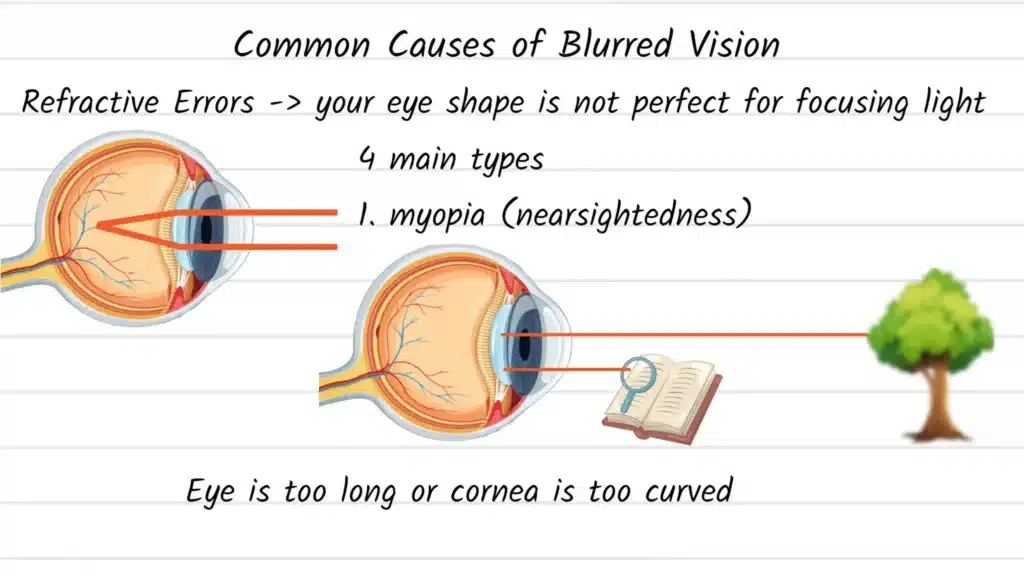
Myopia (Nearsightedness): The first is myopia, which we commonly call nearsightedness. If you are nearsighted, objects far away appear blurry, but objects close to you appear clear. This happens because your eye is shaped slightly too long, or your cornea, which is the clear front part of your eye, is too curved. This causes light to focus in front of the retina instead of directly on it. Myopia has become increasingly common, particularly among younger populations.
Hyperopia (Farsightedness): The second type of refractive error is hyperopia, or farsightedness. This is the opposite of myopia. If you are farsighted, objects close to you appear blurry, but objects far away appear clear. This happens because your eye is shaped slightly too short, or your cornea is not curved enough. This causes light to focus behind the retina instead of on it. Many people don’t realize they have hyperopia until they reach their forties.
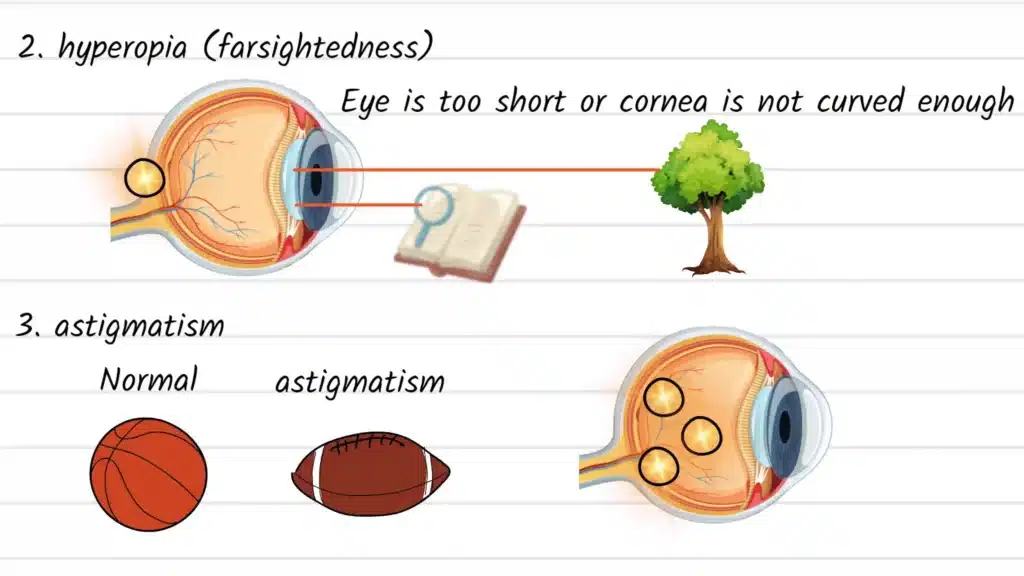
Astigmatism: The third type of refractive error is astigmatism. Think of your eye like a basketball. A basketball is round and symmetrical. But with astigmatism, your cornea is more like a football. It is not symmetrical. It is curved more in one direction than another. This causes light to focus on multiple points inside your eye instead of one single point on the retina. The result is blurred vision at all distances, both near and far. Astigmatism often occurs alongside myopia or hyperopia.
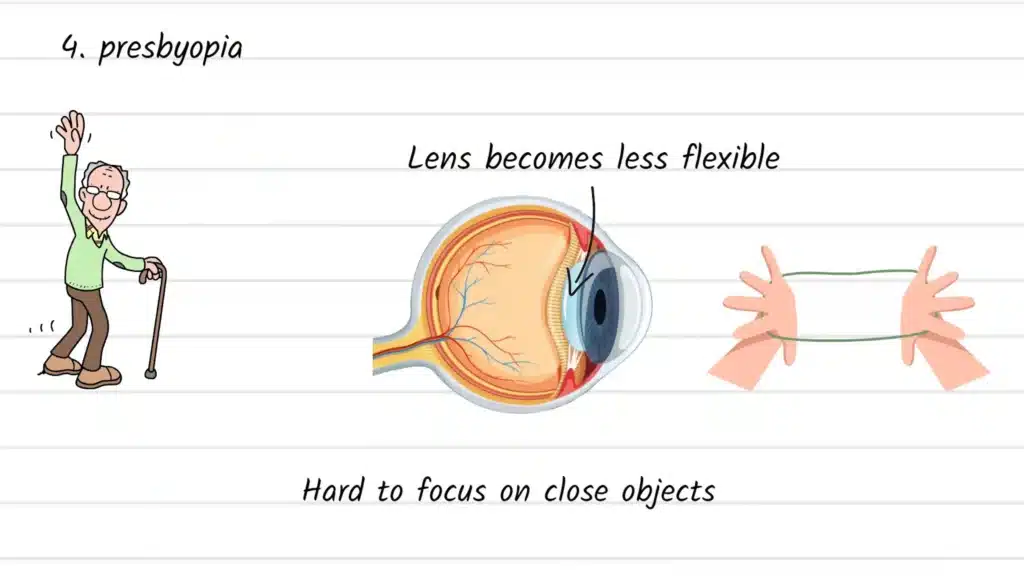
Presbyopia: The fourth type of refractive error is presbyopia. This is something that almost everyone experiences as they get older. As you age, the lens inside your eye becomes less flexible. Imagine a rubber band. When it is new, it is very flexible and stretches easily. But over time, a rubber band becomes stiff and does not stretch as well. The same thing happens to your eye’s lens. This makes it harder to focus on objects that are close to you. That is why many people in their forties and fifties start having trouble reading without glasses or reading glasses.
Other Eye Conditions That Cause Blurred Vision
Now, refractive errors are not the only cause of blurred vision. There are many other conditions that can cause your vision to become blurry. Some of these require immediate medical attention, while others develop slowly over time.
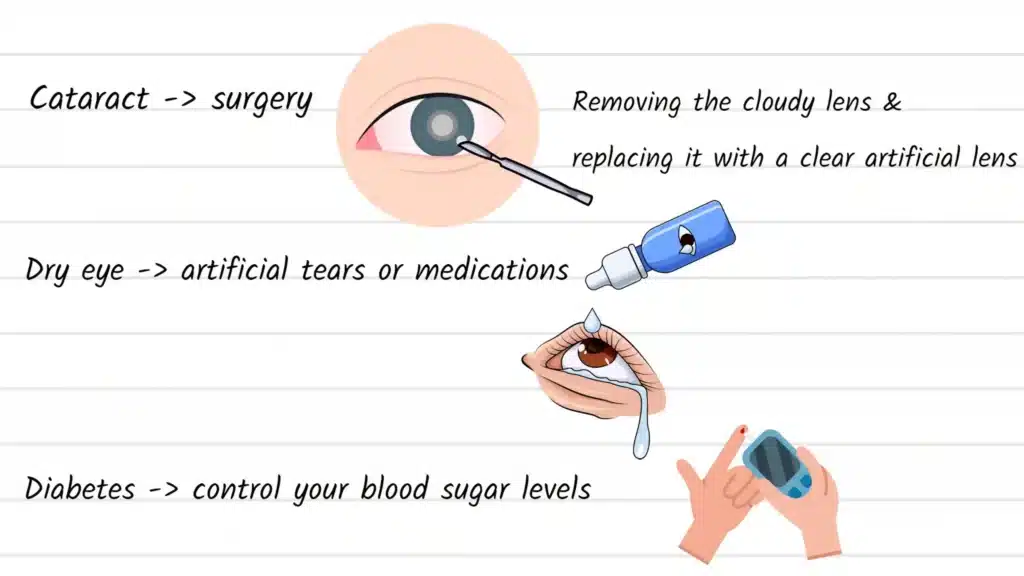
Cataracts: Cataracts are one of the most common eye conditions that cause blurred vision, especially as people age. A cataract is when the clear lens in your eye becomes cloudy. Imagine looking through a frosted glass window. You can see shapes and light, but you cannot see fine details. That is what a cataract is like. It usually develops slowly over many years, and it is very common in older adults. The good news is that cataracts can be treated with a simple surgery where the cloudy lens is removed and replaced with a clear artificial lens. Cataract surgery is one of the safest and most effective surgical procedures available.
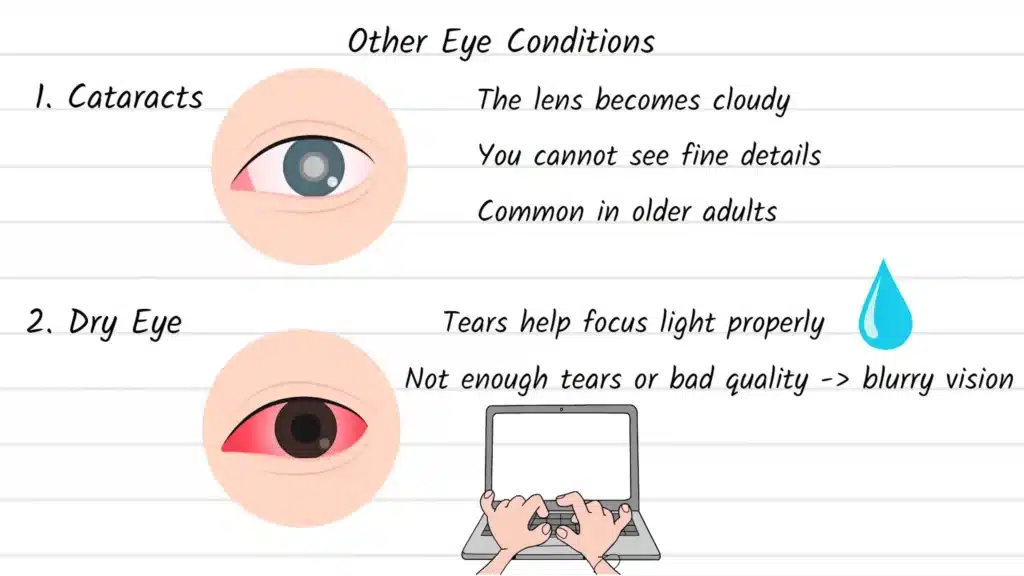
Dry Eye Disease: Another cause of blurred vision is dry eye. This might seem surprising, but moisture is essential for clear vision. Your tears cover the front of your eye and help it focus light properly. When your eyes do not produce enough tears or your tears are not of good quality, your vision can become blurry. This is especially common in people who spend a lot of time staring at computer screens or phones. You can treat dry eye by using artificial tears, blinking more often, or in some cases, using special medications or devices designed to increase tear production.
Diabetic Retinopathy: Diabetic retinopathy is another serious cause of blurred vision that requires careful management. If you have diabetes and your blood sugar is not controlled properly, the small blood vessels in the back of your eye can become damaged. This can cause swelling and bleeding in the retina, which leads to blurred vision. It is very important for people with diabetes to get regular eye exams and keep their blood sugar under control to prevent this condition from progressing.
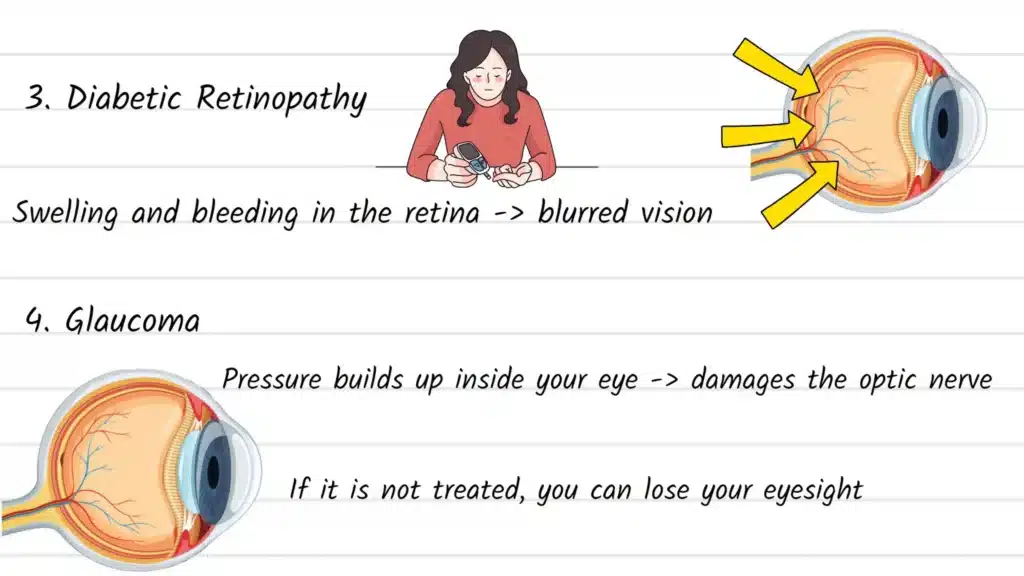
Glaucoma: Glaucoma can also cause blurred vision, although it often sneaks up on you without any symptoms at all. Glaucoma happens when pressure builds up inside your eye and damages the optic nerve. In the early stages, you might not notice anything. But as the condition gets worse, your vision becomes blurry, and if it is not treated, you can lose your eyesight. That is why regular eye exams are so important. An eye doctor can detect glaucoma before it causes permanent damage, which is why this condition is sometimes called “the silent thief of sight.”
Age-Related Macular Degeneration: Age-related macular degeneration is a condition that affects the center of your vision. The macula is the part of your retina that gives you sharp, detailed central vision. As you age, the cells in the macula can break down, causing blurred or distorted vision in the center of your visual field. This is especially common in people over sixty-five years old, and it can significantly impact quality of life and independence.
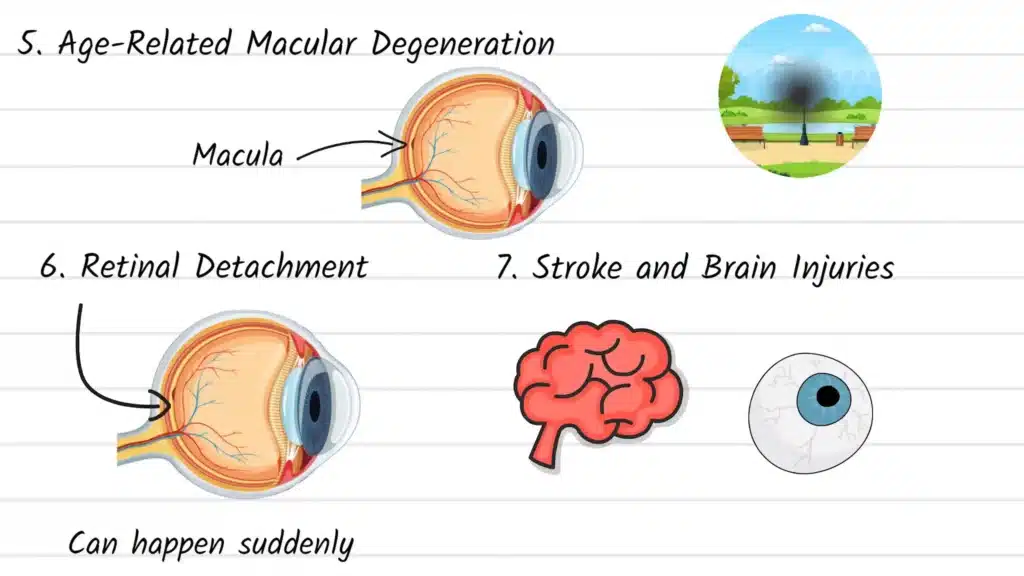
Retinal Detachment: Retinal detachment is a more serious condition where the retina, which is the light-sensitive tissue at the back of your eye, actually separates from the eye wall. This can happen suddenly and causes blurred or lost vision. This is a medical emergency that requires immediate professional attention.
Stroke and Brain Injuries: Stroke and brain injuries can also cause blurred vision. Your eyes are part of your visual system, which includes the pathways in your brain that process what you see. If you have a stroke or brain injury, the vision centers in your brain can be affected, causing blurred vision or other vision problems.
Treatment Options for Blurred Vision
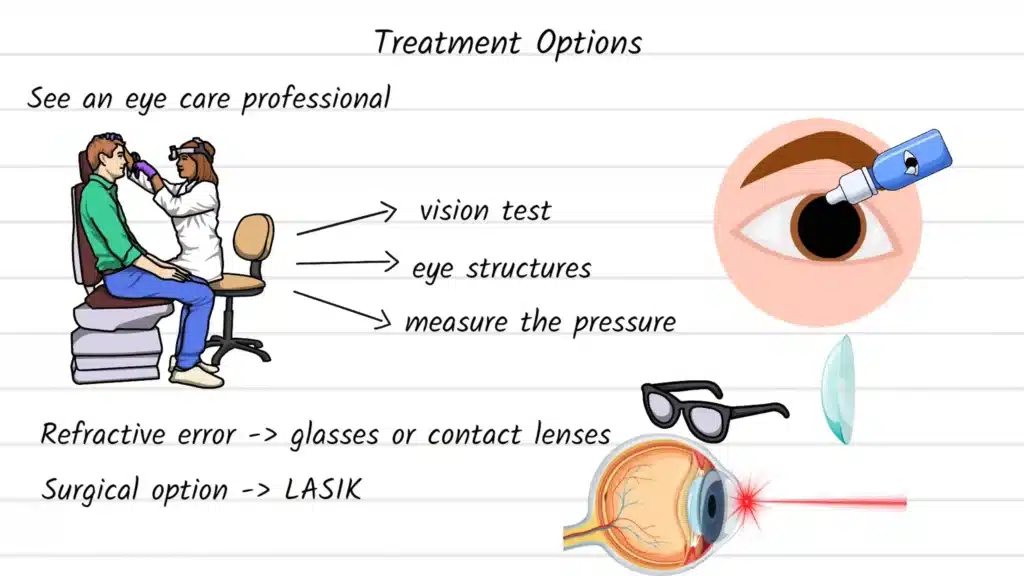
Now that we have talked about some of the causes of blurred vision, let’s talk about what you can do about it. The first and most important step is to see an eye care professional. This could be an optometrist or an ophthalmologist. Early intervention often leads to better outcomes and can prevent permanent vision loss.
Comprehensive Eye Exams
When you visit an eye care professional, they will perform a comprehensive eye exam. This exam will test your vision, check the health of your eye structures, and measure the pressure in your eye. They might also dilate your pupils using special eye drops so they can see the back of your eye better. This exam helps them figure out what is causing your blurred vision. Think of an eye exam as a complete health check for your eyes, not just a test to see if you need glasses.
Corrective Solutions for Refractive Errors
If your blurred vision is caused by a refractive error, the solution is usually glasses or contact lenses. These are non-invasive ways to correct your vision and are suitable for most people. There is also a surgical option for some refractive errors called LASIK. LASIK stands for Laser-Assisted In Situ Keratomileusis. In this procedure, a laser is used to reshape the cornea so that it can focus light correctly. Many people are very happy with LASIK, as it can reduce or eliminate their need for glasses or contacts. However, LASIK is not right for everyone, and it does carry some risks, so you should discuss it carefully with your eye doctor to determine if you are a good candidate.
Surgical Treatment for Cataracts
If your blurred vision is caused by cataracts, your eye doctor might recommend surgery. Cataract surgery is one of the most successful surgical procedures in medicine. The procedure involves removing the cloudy lens and replacing it with a clear artificial lens. Most people see much better after cataract surgery, with many reporting dramatically improved vision and quality of life. Recovery is typically quick, and most people can return to normal activities within a few weeks.
Managing Other Conditions
If your blurred vision is caused by dry eye, your doctor might recommend artificial tears, medications, or other treatments to help your eyes produce more tears or use tears more efficiently. Some advanced treatments include punctal plugs or specialized eye drops that help retain moisture.
If your blurred vision is caused by diabetes, it is very important to control your blood sugar levels. Your primary care doctor can help you manage your diabetes, and your eye doctor can monitor your eyes for any signs of diabetic retinopathy. Good diabetes management is one of the best ways to protect your vision long-term.
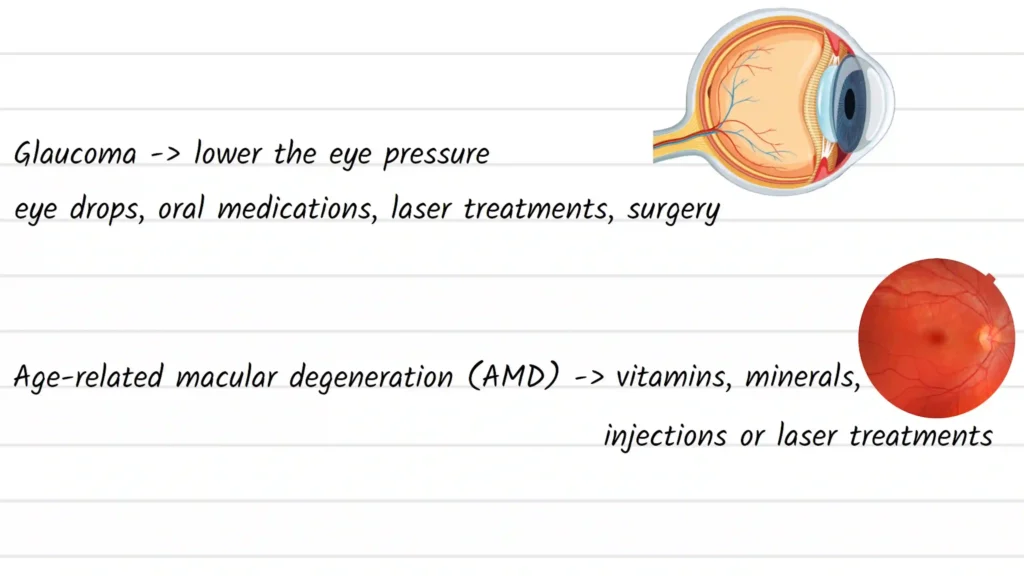
If your blurred vision is caused by glaucoma, your eye doctor will work to lower the pressure in your eye. This can be done with eye drops, oral medications, laser treatments, or in some cases, surgery. Early treatment is critical for preventing vision loss.
If your blurred vision is caused by age-related macular degeneration, there are treatments available that can slow the progression of the disease. These include vitamins, minerals, and in some cases, injections or laser treatments. Research into new treatments is ongoing, and new options become available regularly.
Prevention Tips to Protect Your Vision
There are also some things you can do to protect your vision and prevent blurred vision in the future. Taking a proactive approach to eye health is much better than trying to restore vision after it has been damaged.
First, get regular eye exams. Even if you think your vision is fine, eye diseases like glaucoma can develop without any symptoms. Regular exams can catch these problems early. Most adults should have eye exams every one to two years, while those over sixty or with risk factors should have them more frequently.
Second, protect your eyes from the sun. The ultraviolet light from the sun can damage your eyes over time and contribute to cataracts and macular degeneration. Always wear sunglasses that block one hundred percent of UVA and UVB rays when you are outside, even on cloudy days.
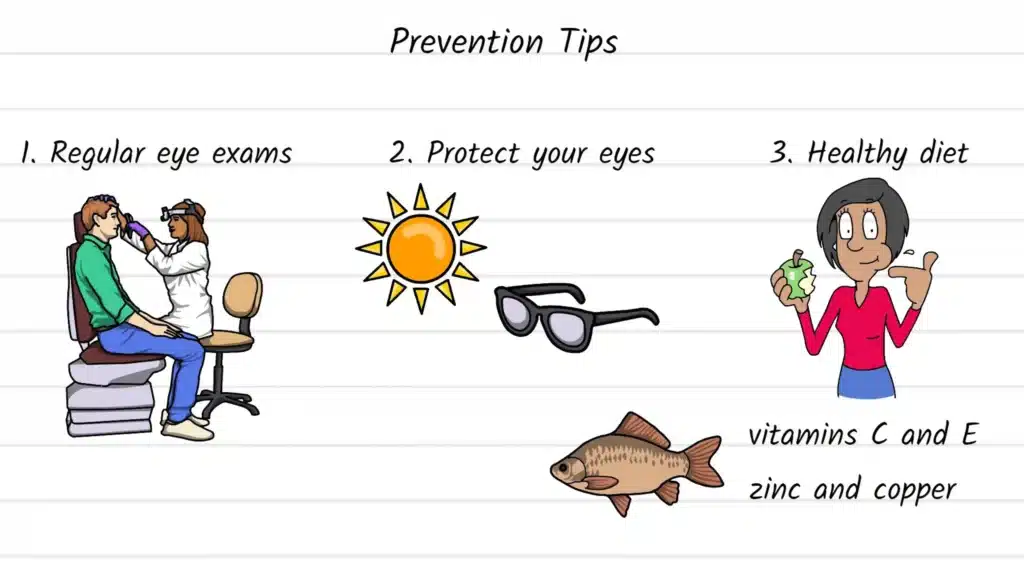
Third, eat a healthy diet. Foods that are rich in vitamins and minerals, especially antioxidants like vitamins C and E, and minerals like zinc and copper, are good for your eyes. Leafy green vegetables, fish, eggs, nuts, and citrus fruits are all great for eye health and can help prevent age-related vision problems.
Fourth, do not smoke. Smoking increases your risk of developing cataracts, macular degeneration, and other eye diseases. Quitting smoking is one of the best things you can do for your overall health, including your vision.
Fifth, if you spend a lot of time looking at screens, follow the twenty-twenty-twenty rule. Every twenty minutes, look at something that is twenty feet away for at least twenty seconds. This helps reduce eye strain and dry eye, which are becoming increasingly common in our digital age.
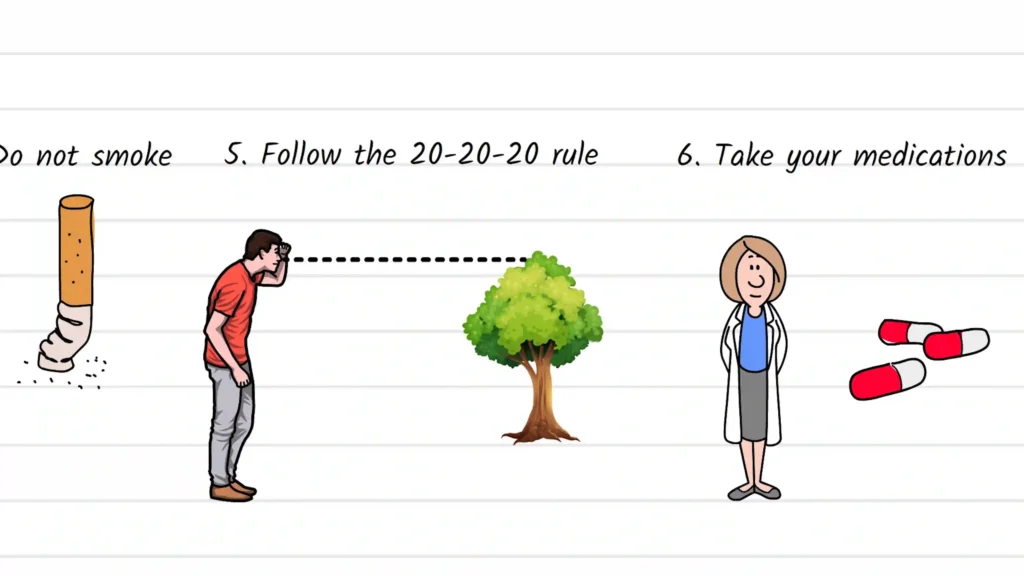
Finally, if you have a medical condition like diabetes or high blood pressure, make sure you take your medications and keep your condition under control. These conditions can cause serious eye problems if they are not managed properly. Taking care of your overall health directly impacts your eye health.
Conclusion: Your Vision Matters
Blurred vision is a symptom that should never be ignored. Whether it’s caused by a simple refractive error or a more serious eye condition, the key to maintaining good vision is understanding the problem and seeking professional help. Remember that many causes of blurred vision are treatable, especially when caught early. By following the prevention tips outlined in this article and getting regular eye exams, you can protect your vision and maintain clear sight throughout your life. Your eyes are precious, so take care of them.
If you found this article helpful and want to learn more about eye conditions, subscribe to our channel and stay updated with the latest information about eye health and vision care.
Sources
American Academy of Ophthalmology. What is Refractive Error? https://www.aao.org/eye-health/diseases/what-are-refractive-errors
Mayo Clinic. Blurred Vision: Overview and Causes. https://www.mayoclinic.org/symptoms/blurred-vision/basics/definition/sym-20050678
National Eye Institute. Cataracts. https://www.nei.nih.gov/learn-about-eye-health/eye-conditions-and-diseases/cataracts
National Eye Institute. Diabetic Retinopathy. https://www.nei.nih.gov/learn-about-eye-health/eye-conditions-and-diseases/diabetic-retinopathy
Cleveland Clinic. Dry Eye Disease. https://my.clevelandclinic.org/health/diseases/9534-dry-eye-syndrome
Mayo Clinic. Glaucoma: Symptoms and Causes. https://www.mayoclinic.org/diseases-conditions/glaucoma/symptoms-causes/syc-20372042
National Eye Institute. Age-Related Macular Degeneration (AMD). https://www.nei.nih.gov/learn-about-eye-health/eye-conditions-and-diseases/age-related-macular-degeneration-amd
American Academy of Ophthalmology. Retinal Detachment. https://www.aao.org/eye-health/diseases/retinal-detachment
Mayo Clinic. LASIK Eye Surgery: Purpose, Procedure, and Risks. https://www.mayoclinic.org/tests-procedures/lasik-eye-surgery/about/pac-20368651
American Academy of Ophthalmology. Presbyopia. https://www.aao.org/eye-health/diseases/presbyopia
National Institutes of Health. Astigmatism. https://www.ncbi.nlm.nih.gov/books/NBK578196/
Prevent Blindness America. Vision Problems and Eye Health. https://www.preventblindness.org/
