
Contact lenses offer a modern solution for vision correction that millions of people rely on daily. Unlike traditional eyeglasses, these small medical devices sit directly on your eye to provide clear vision and natural field of view. Whether you’re an athlete looking for better performance or simply prefer not to wear frames, understanding contact lenses and their various types can help you make an informed decision about your vision care.
What Are Contact Lenses?
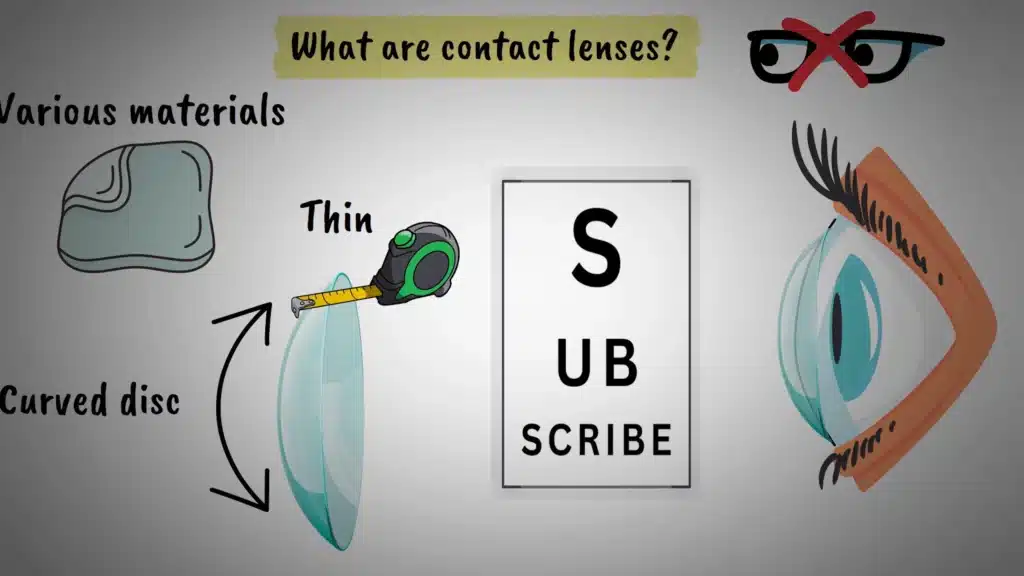
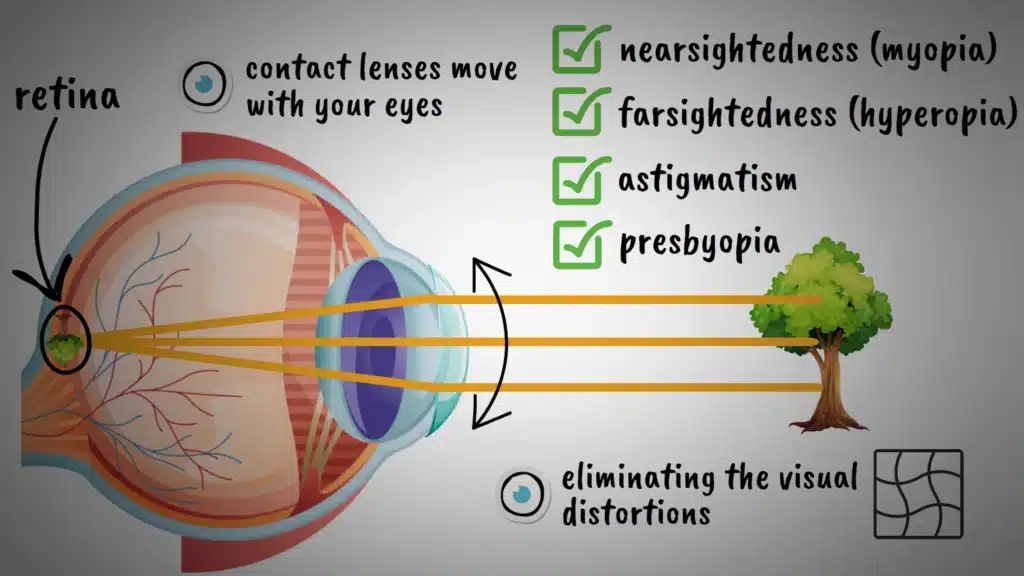
Contact lenses are thin, curved discs made from various materials that are placed directly on the tear film covering the surface of your eye. These small medical devices are designed to correct vision problems and can be an excellent alternative to traditional eyeglasses. Contact lenses work by sitting on the tear film over your cornea and moving with your eye, providing a wider field of vision compared to glasses.
The primary purpose of contact lenses is to correct refractive errors such as nearsightedness, farsightedness, astigmatism, and presbyopia. When light enters your eye, contact lenses help focus it properly on your retina, resulting in clear vision. Unlike glasses, contact lenses move with your eyes, providing more natural vision and eliminating the visual distortions that can occur at the edges of eyeglass lenses.
Types of Contact Lenses
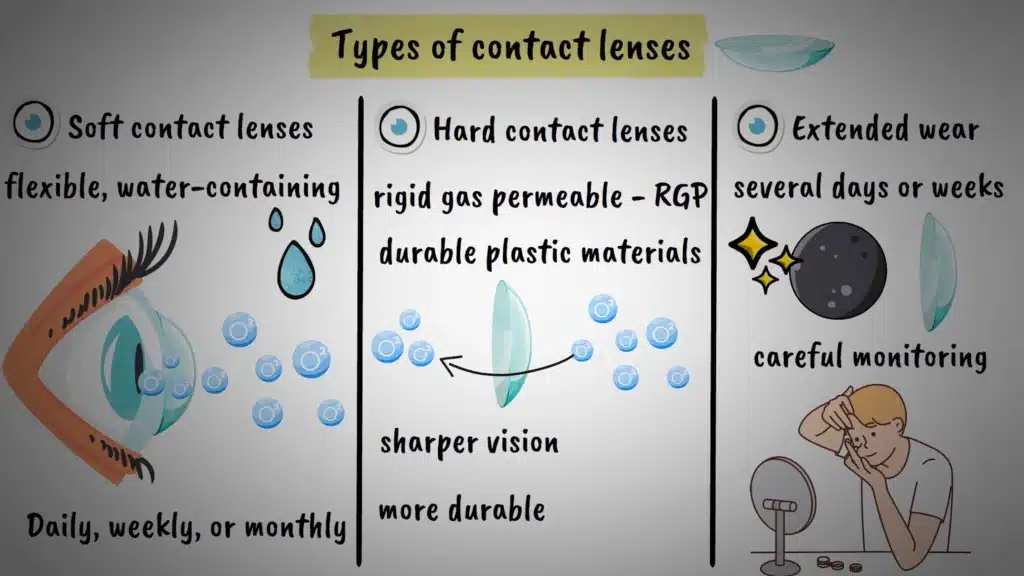
There are several different types of contact lenses available today, each designed to meet specific vision needs and lifestyle preferences.
Soft Contact Lenses
Soft contact lenses are the most popular type and are made from flexible, water-containing plastics that allow oxygen to pass through to the cornea. These lenses are comfortable to wear and come in daily, weekly, or monthly replacement schedules. Their flexibility makes them an ideal choice for most people, especially those new to wearing contacts.
Hard Contact Lenses
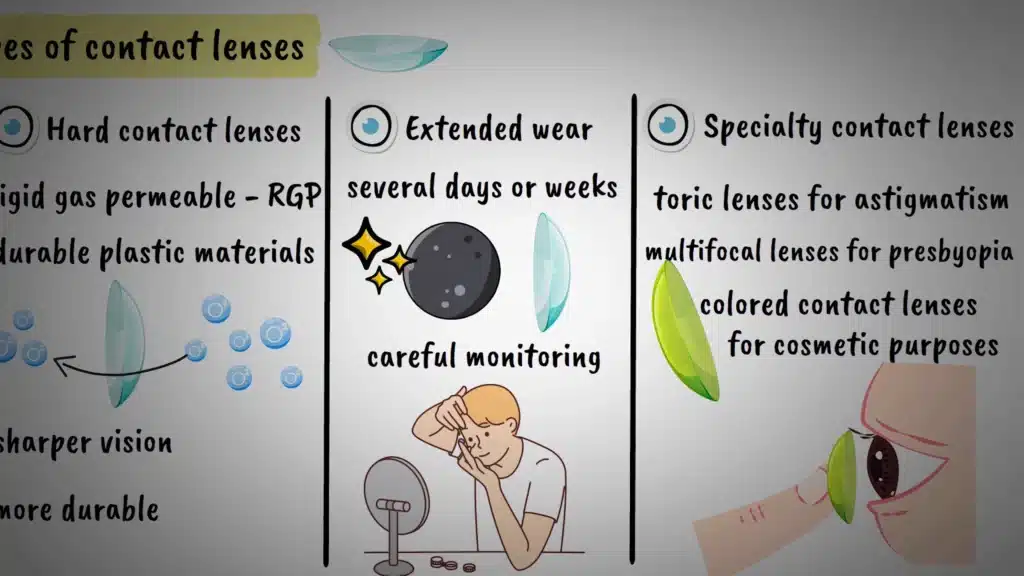
Hard contact lenses, also known as rigid gas permeable lenses, are made from durable plastic materials that transmit oxygen. While they may take longer to get used to, they provide sharper vision in certain cases and are more durable than soft lenses. These lenses are often recommended for people with specific vision conditions or those who need longer-lasting solutions.
Extended Wear Contact Lenses
Extended wear contact lenses are designed to be worn continuously for several days or weeks, even while sleeping. However, these require careful monitoring by an eye care professional to prevent complications. They offer convenience for people with active lifestyles but demand proper attention to eye health.
Specialty Contact Lenses
Specialty contact lenses include toric lenses for astigmatism, multifocal lenses for presbyopia, and colored contact lenses for cosmetic purposes. Some people use colored contacts to change their eye color or enhance their natural eye color for special occasions or daily wear. These lenses provide customized solutions for unique vision and cosmetic needs.
Advantages of Contact Lenses over Eyeglasses
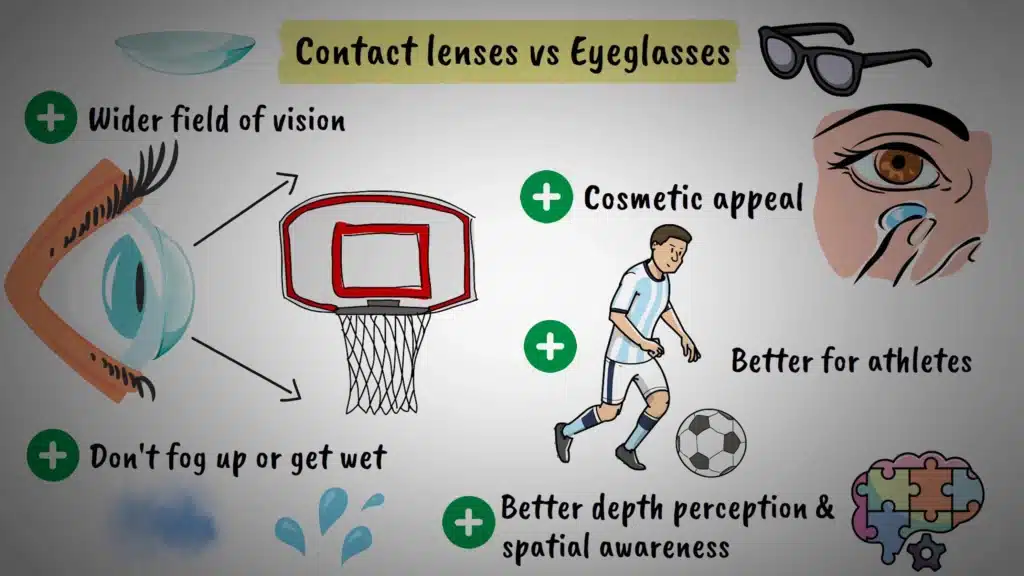
Contact lenses offer numerous advantages over traditional eyeglasses that make them an attractive option for many people.
Contact lenses provide a wider field of vision without frames blocking your peripheral view, making them ideal for sports and active lifestyles. They don’t fog up in cold weather or get wet in the rain, and they offer better cosmetic appeal for those who prefer not to wear glasses.
Athletes particularly benefit from contact lenses because they stay in place during physical activity and don’t slip down the nose or fall off during movement. Contact lenses also provide better depth perception and spatial awareness compared to glasses, which is especially valuable for competitive sports and recreational activities.
Proper Care and Maintenance
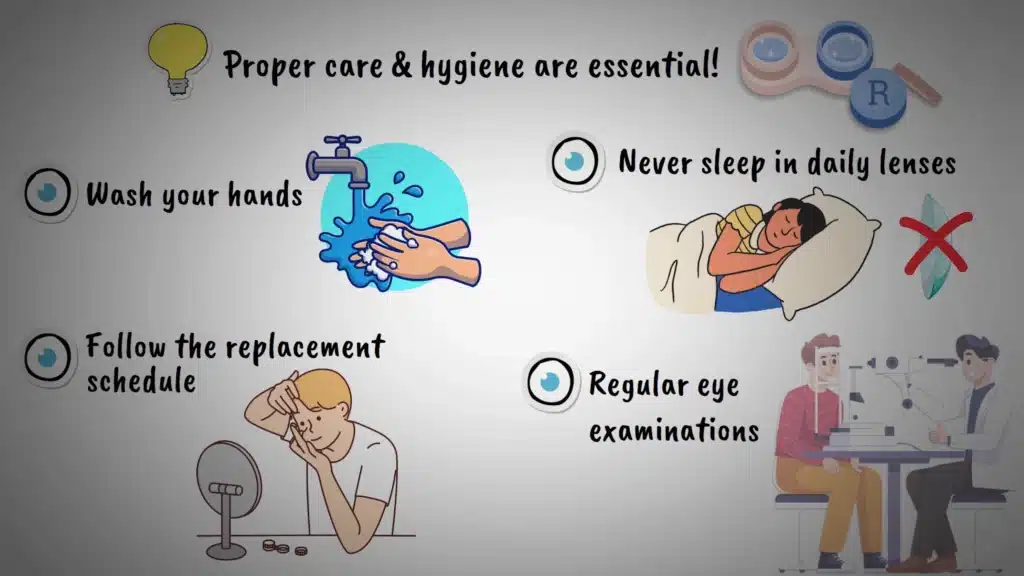
Proper care and hygiene are essential when using contact lenses. Always wash your hands before handling lenses, follow the recommended replacement schedule, and never sleep in daily wear lenses. Regular eye examinations are crucial to ensure your eyes remain healthy while wearing contact lenses.
Taking care of your contacts involves more than just following basic hygiene. You’ll need to store them properly in the recommended solution and replace the solution daily. Never reuse old solution in your contact lens case, and keep your case clean to prevent infections and other eye complications.
Finding the Right Contact Lenses for You
If you are considering contact lenses, consult with an eye care professional who can determine the best type for your specific needs and lifestyle. They will perform a comprehensive eye exam and contact lens fitting to ensure optimal comfort and vision.
Your eye care professional will evaluate your eye shape, vision prescription, tear film quality, and lifestyle to recommend the most suitable contact lens option. They’ll also provide training on proper insertion, removal, and care to help you get the most out of your lenses.
Conclusion
Contact lenses represent a reliable and effective solution for vision correction that has transformed the way millions of people see the world. Whether you choose soft lenses for comfort, hard lenses for durability, or specialty lenses for specific conditions, understanding your options helps you select the best choice for your eyes and lifestyle. With proper care and professional guidance, contact lenses can provide clear vision and the freedom that comes with life without glasses.
