
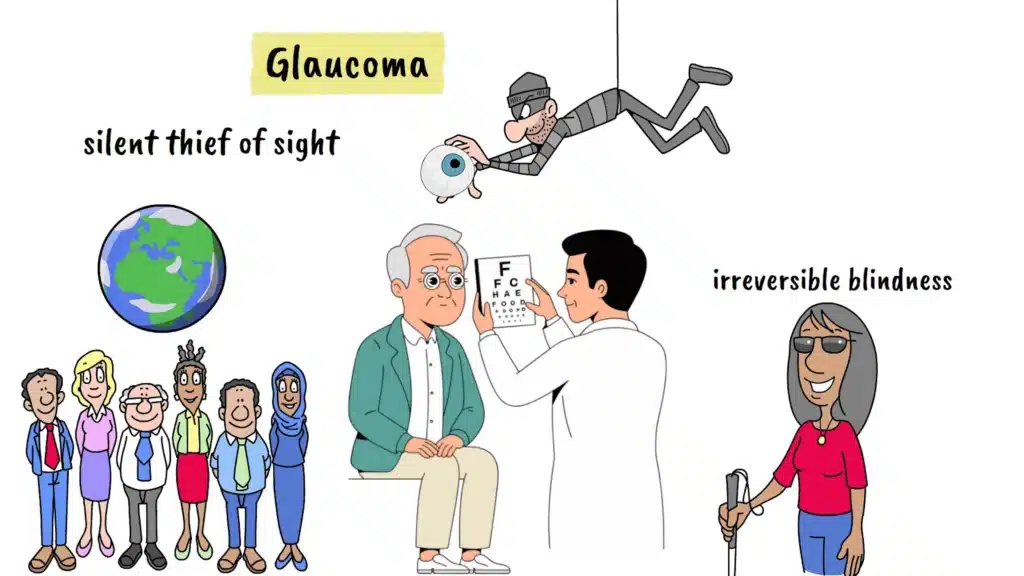
Your vision is one of your most precious gifts, yet there’s a silent thief working in the shadows that could steal it away without you even knowing. Glaucoma, often called the silent thief of sight, affects millions of people worldwide and is one of the leading causes of irreversible blindness. The most frightening aspect of this disease is that by the time most people notice symptoms, significant and permanent damage has already occurred. Today, we’re going to explore the early warning signs of glaucoma that you should never ignore, because early detection can literally save your sight.
What is Glaucoma and How Does It Damage Your Eyes
Glaucoma is a group of eye diseases that damage the optic nerve, which is like the main cable that connects your eye to your brain. Think of your optic nerve as containing about one million tiny wires, each carrying visual information from your eye to your brain so you can see. When glaucoma strikes, these delicate nerve fibers begin to die, starting from the outside and working inward. The damage is permanent and irreversible, which is why catching glaucoma early is absolutely critical.
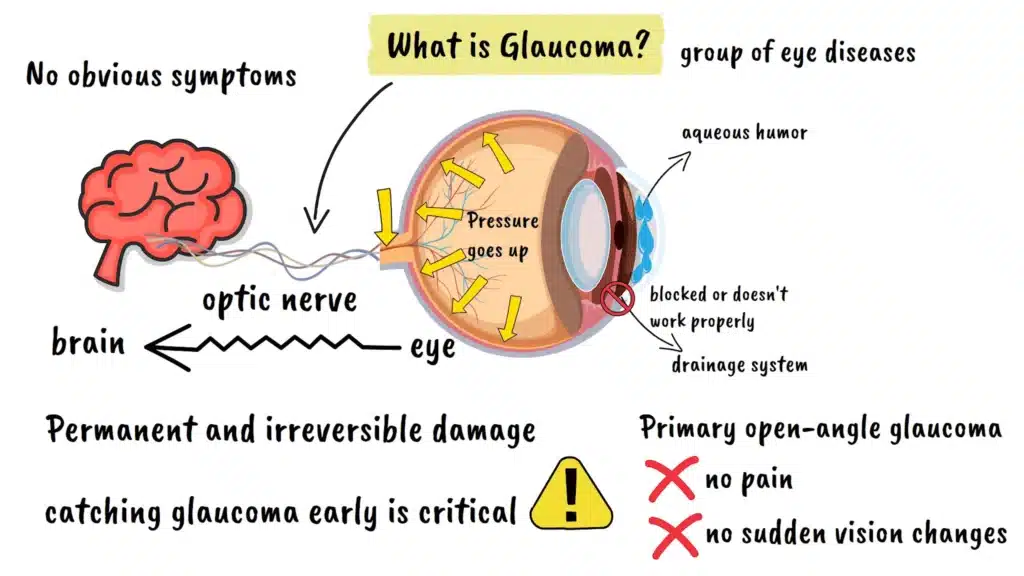
To understand why glaucoma is so dangerous, we need to understand what’s happening inside your eye. Your eye constantly produces a clear fluid called aqueous humor, which nourishes the eye and maintains its shape. This fluid normally drains out through a tiny drainage system, much like a sink with a drain. In glaucoma, this drainage system becomes blocked or doesn’t work properly, causing fluid to build up. This buildup increases the pressure inside your eye, which then puts damaging pressure on your optic nerve. Imagine trying to squeeze a garden hose while water is flowing through it. The increased pressure damages the delicate nerve fibers, and once they’re damaged, they can never be repaired or replaced.
Why Glaucoma is Called the Silent Thief of Sight
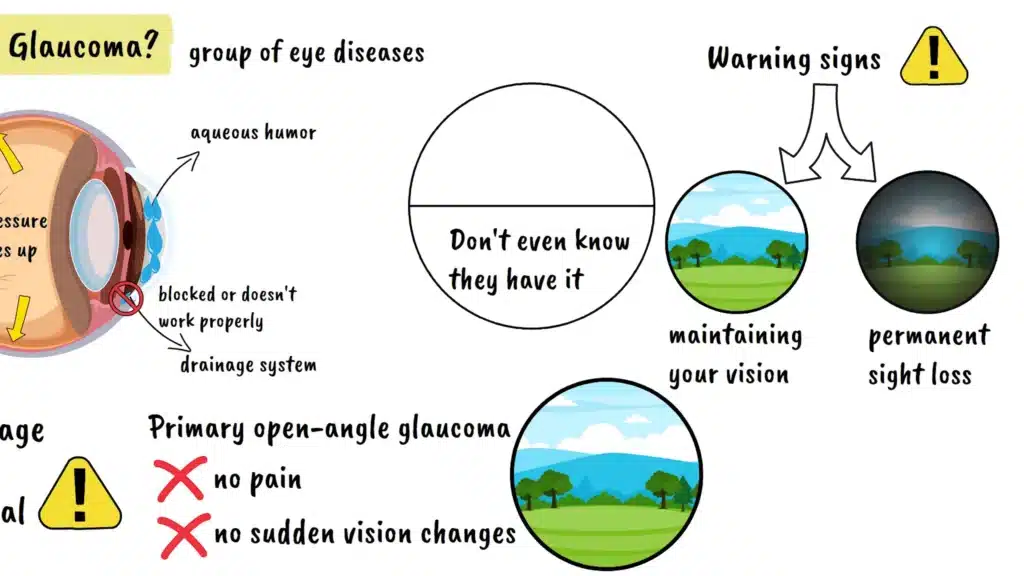
The reason glaucoma is so dangerous is that it typically develops without any obvious symptoms in its early stages. Most people with the common form of glaucoma, called primary open-angle glaucoma, feel no pain, experience no sudden vision changes, and their central vision remains crystal clear until the disease is quite advanced. This is why glaucoma has earned its terrifying nickname as the silent thief of sight. By some estimates, half of the people with glaucoma don’t even know they have it until they’ve lost a significant portion of their vision.
However, there are subtle warning signs that your body may be sending you, and recognizing these early clues could be the difference between maintaining your vision and facing permanent sight loss. Let’s examine the most important early warning signs that should prompt you to seek immediate eye care.
Early Warning Signs of Glaucoma
Gradual Loss of Peripheral Vision
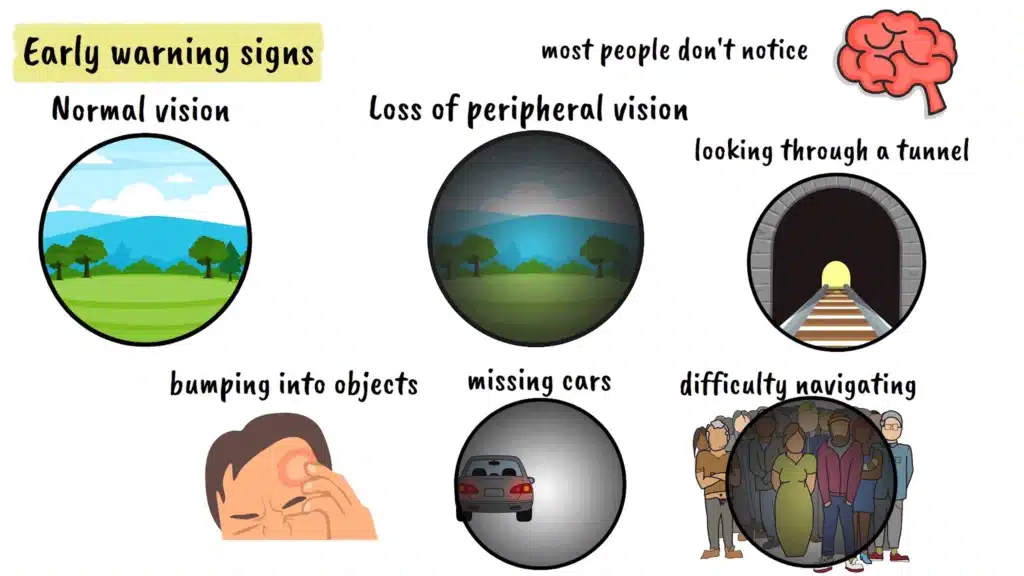
The first and most common early sign of glaucoma is the gradual loss of peripheral vision, also known as side vision. This happens so slowly and subtly that most people don’t notice it initially. Your brain is remarkably good at filling in missing pieces of your visual field, which means you might not realize you’re losing side vision until significant damage has occurred. You might find yourself bumping into objects more often, missing cars in your peripheral vision while driving, or having difficulty navigating crowded spaces. Some people describe this as feeling like they’re looking through a tunnel, where the edges of their vision gradually fade away. This tunnel vision effect can progress over months or years, and many people unconsciously adapt by turning their head more often to compensate for the vision loss they’re not consciously aware of experiencing.
Blurred Vision Episodes
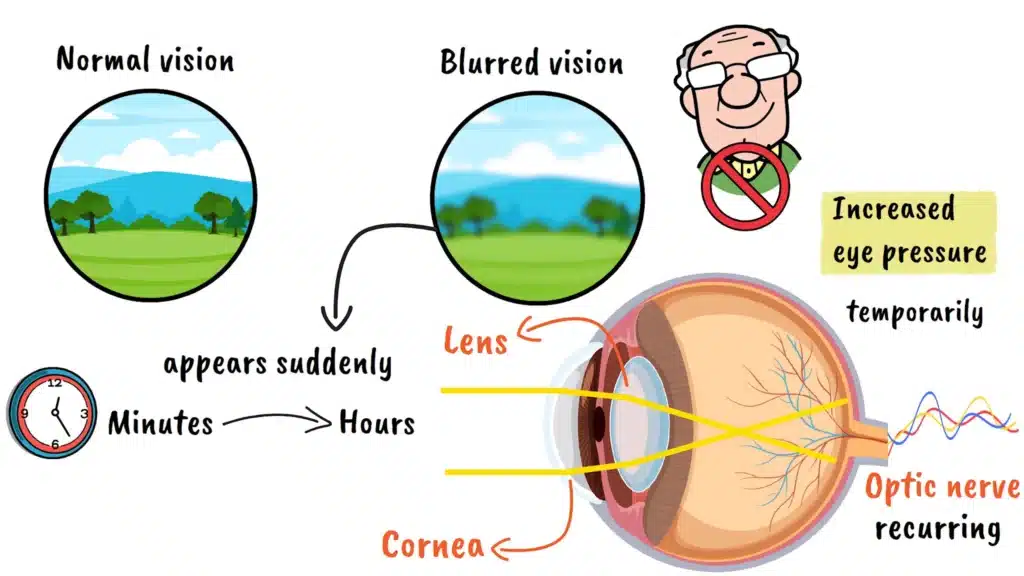
Blurred vision that comes and goes can be another early warning sign, particularly if it occurs in episodes. This isn’t the same as needing reading glasses or having trouble focusing on distant objects. Instead, this type of blurred vision appears suddenly, makes everything look hazy or unclear, and then may improve on its own. These episodes can last anywhere from a few minutes to several hours. The blurring occurs because increased eye pressure affects the shape of your cornea and lens, temporarily changing how light enters your eye. If you experience recurring episodes of unexplained blurred vision, especially if accompanied by other symptoms, this could indicate rising pressure in your eye that’s beginning to affect your optic nerve.
Halos Around Lights
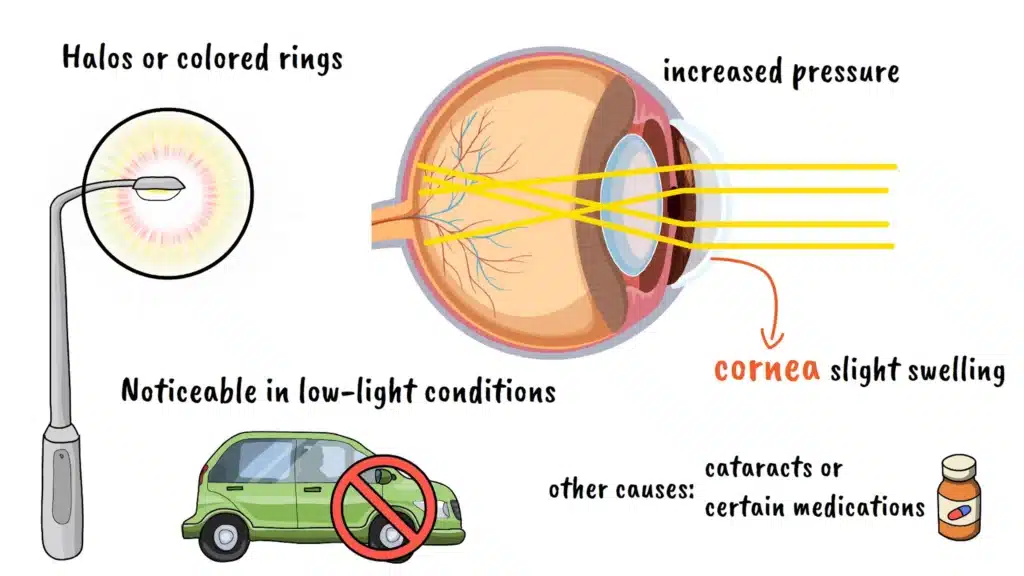
Seeing halos or colored rings around lights, especially at night, is another significant warning sign. This phenomenon occurs when light scatters due to changes in your eye’s drainage system and increased pressure affecting the cornea. You might notice rainbow-like circles around streetlights, car headlights, or any bright light source. This symptom is particularly noticeable in low-light conditions and can make night driving challenging or even dangerous. The halos appear because the increased pressure in your eye causes slight swelling of the cornea, which then scatters incoming light in a way that creates these colorful rings. While halos around lights can have other causes, such as cataracts or certain medications, when combined with other glaucoma symptoms, they shouldn’t be ignored.
Eye Pain and Pressure Sensation
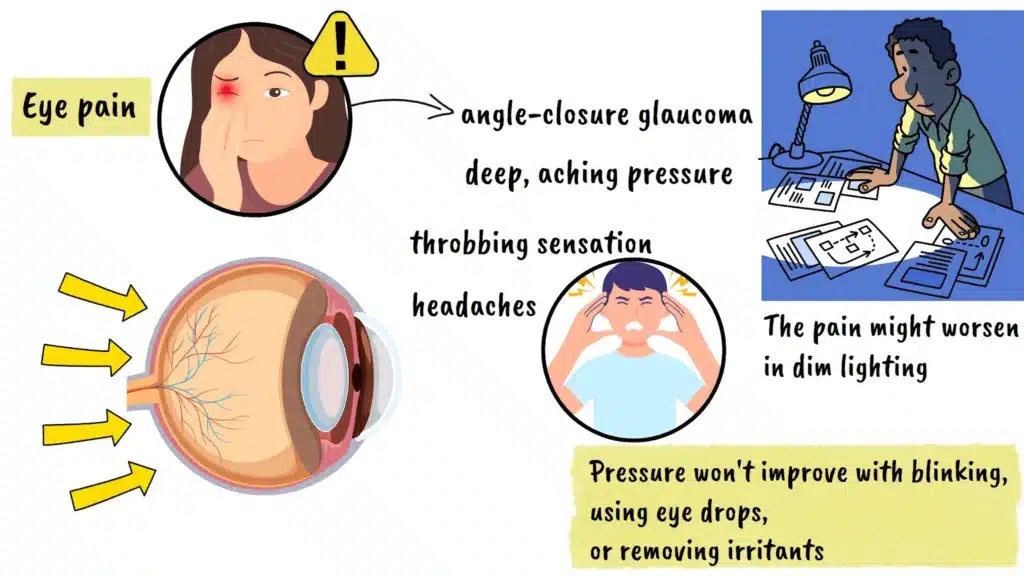
Eye pain, while not always present in glaucoma, can be important warning sign, especially in cases of angle-closure glaucoma. This type of pain is different from typical eye strain or dry eye discomfort. It’s often described as a deep, aching pressure that feels like something is pushing outward from behind the eye. Some people experience this as a throbbing sensation that may be accompanied by headaches. The pain might worsen in dim lighting when your pupils naturally dilate, because this can further block the already compromised drainage system in your eye. Unlike other types of eye discomfort, this pressure won’t improve with blinking, using eye drops, or removing irritants. The pain occurs because the increased pressure literally stretches the tissues within your eye.
Frequent Headaches
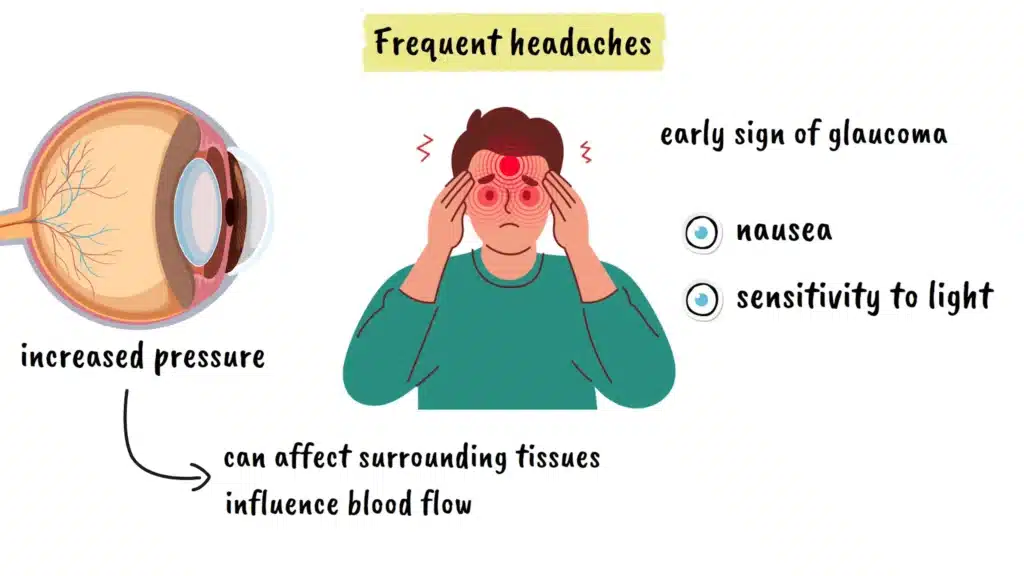
Frequent headaches, particularly those that seem to center around your eyes and forehead, can be an overlooked early sign of glaucoma. These headaches are caused by increased pressure within the eye and tend to worsen over time. They’re often more severe than typical tension headaches and may be accompanied by other symptoms like nausea or sensitivity to light. The headaches occur because the pressure inside your eye can affect surrounding tissues and even influence blood flow to nearby areas.
Increased Sensitivity to Light
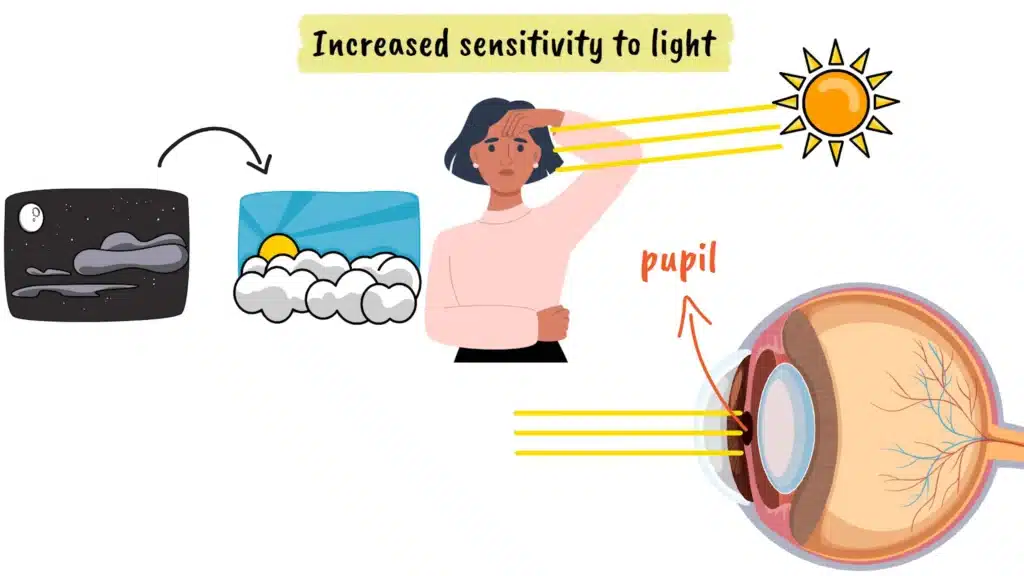
Increased sensitivity to light, known medically as photophobia, can be another early indicator. You might find that normal lighting feels uncomfortably bright, or that you need to squint more often than usual. This sensitivity might be particularly noticeable when moving from dark to bright environments or when exposed to artificial lighting. The sensitivity occurs because the increased pressure in your eye affects how your pupil responds to light and can make your eyes more reactive to brightness changes.
Changes in Prescription Needs
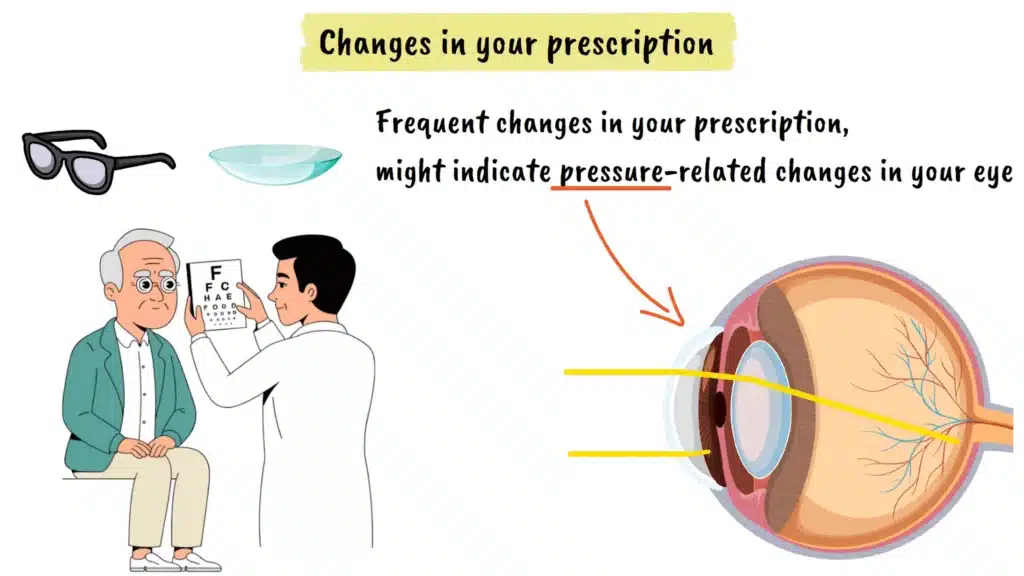
Changes in your prescription glasses or contact lens needs that seem frequent or unusual could also signal developing glaucoma. While it’s normal for vision to change gradually over time, rapid or frequent changes in your prescription, especially if your eye doctor can’t easily explain them, might indicate pressure-related changes in your eye. The increased pressure can slightly change the shape of your eye, affecting how light focuses on your retina and thus changing your prescription needs.
Nausea and Vomiting
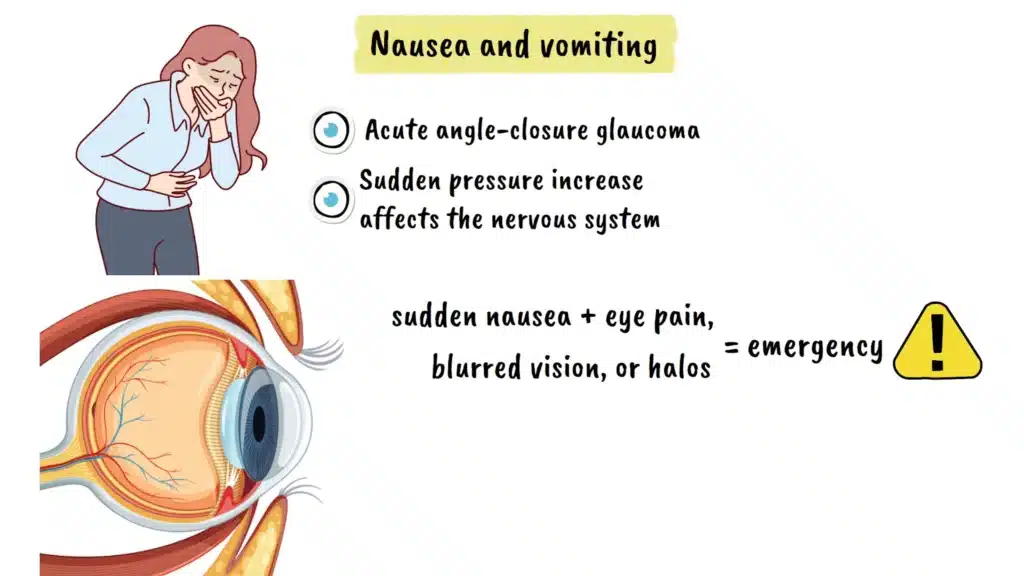
Nausea and vomiting, while less common, can occur with certain types of glaucoma, particularly acute angle-closure glaucoma. When eye pressure rises rapidly, it can trigger these systemic symptoms because the sudden pressure increase affects the nervous system. If you experience sudden nausea along with severe eye pain, blurred vision, or halos around lights, this constitutes a medical emergency requiring immediate attention. This type of glaucoma attack can cause permanent vision loss within hours if not treated promptly.
Poor Night Vision
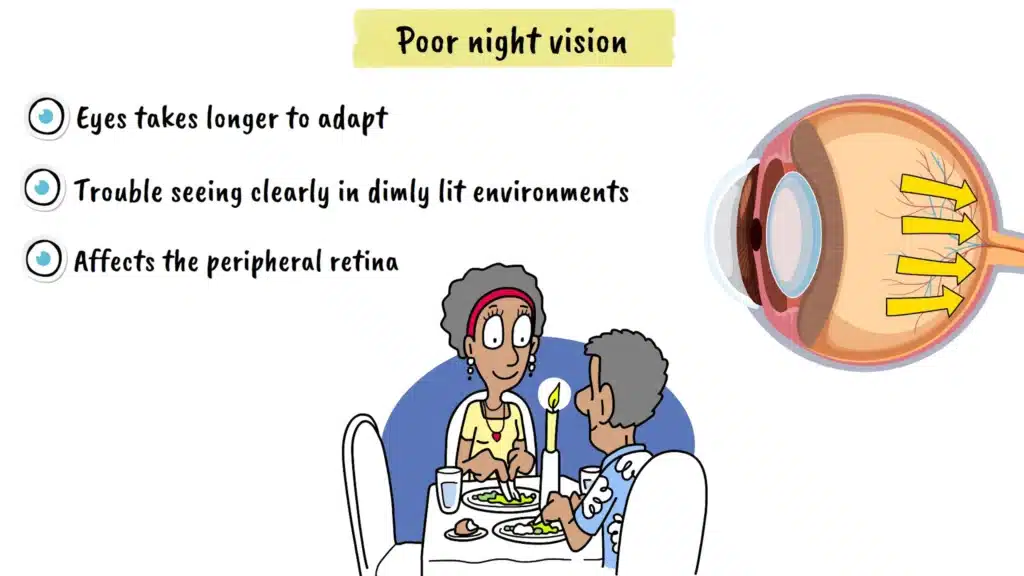
Difficulty adjusting to low light conditions or poor night vision can be an early sign that shouldn’t be dismissed. You might notice that it takes longer for your eyes to adapt when entering a dark room, or that you have more trouble seeing clearly in dimly lit environments than you used to. This occurs because glaucoma often affects the peripheral retina first, and these areas are particularly important for low-light vision.
Who is at Higher Risk for Glaucoma
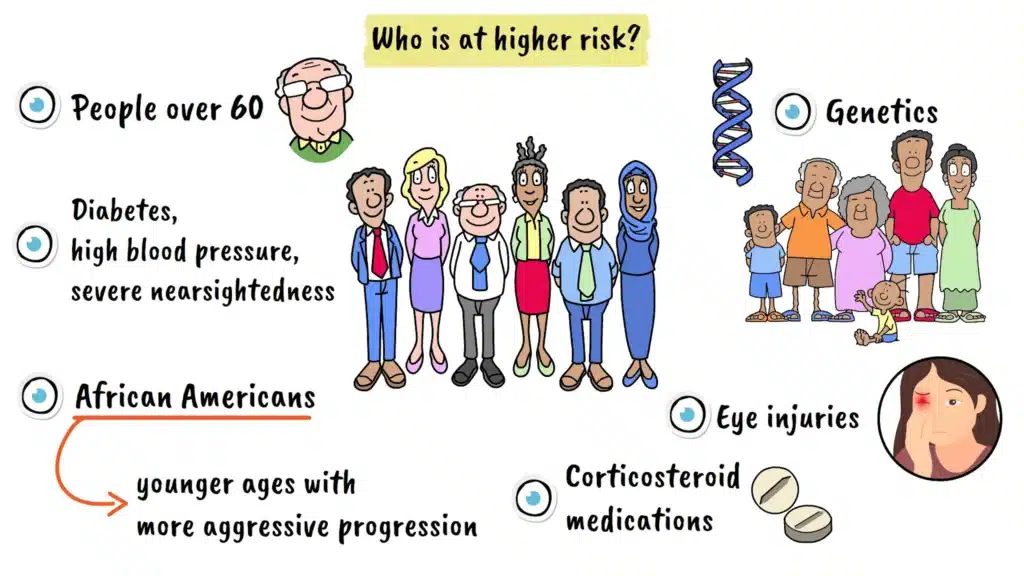
Understanding who is at higher risk for developing glaucoma is crucial for knowing when to be especially vigilant about these warning signs. Age is a significant factor, with people over sixty being at much higher risk. However, glaucoma can affect people at any age, and certain populations face elevated risks earlier in life. African Americans have a much higher likelihood of developing glaucoma and tend to develop it at younger ages with more aggressive progression. People with family histories of glaucoma face significantly increased risks, as genetics play an important role in the disease. Those with diabetes, high blood pressure, or severe nearsightedness also have elevated risks. Additionally, people who have experienced eye injuries or have used corticosteroid medications for extended periods should be particularly aware of glaucoma symptoms.
The Importance of Regular Eye Exams and Early Detection
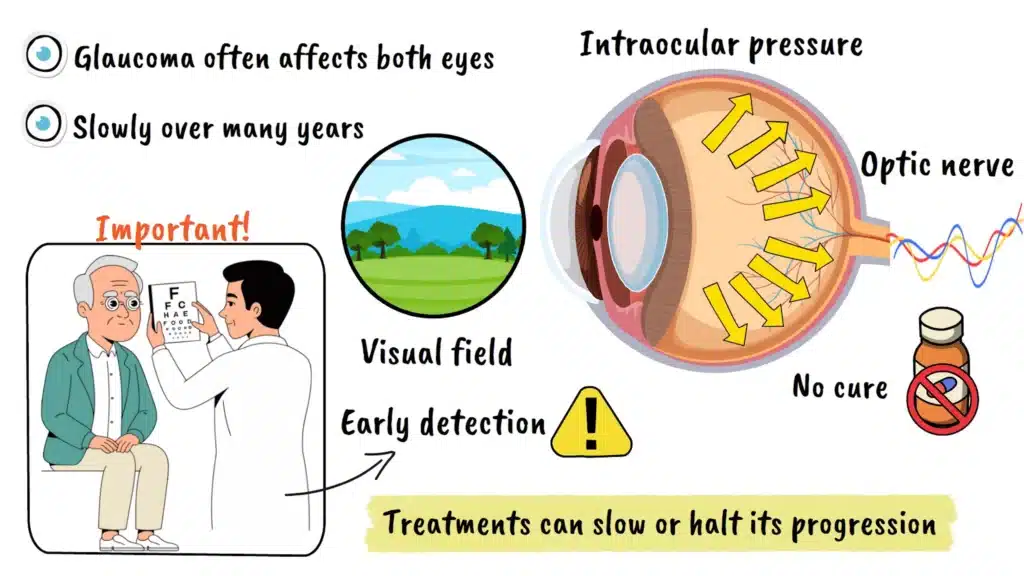
It’s crucial to understand that glaucoma often affects both eyes, though one eye may be more severely affected than the other. The disease typically progresses slowly over many years, which is why regular comprehensive eye exams are essential, especially if you’re over forty or have risk factors for glaucoma. During these exams, your eye doctor will measure your intraocular pressure, examine your optic nerve, and test your visual field to detect any early signs of glaucoma before you experience noticeable symptoms.
The importance of early detection cannot be overstated. While there’s currently no cure for glaucoma, treatments can effectively slow or halt its progression when caught early. The key is catching the disease before significant vision loss occurs, because any vision lost to glaucoma cannot be restored.
Key Takeaways
Protecting your vision from glaucoma requires awareness, regular monitoring, and prompt action when you notice any of these warning signs. Don’t wait for your vision to change dramatically before seeking professional help. If you notice any combination of the symptoms discussed in this article, schedule an appointment with your eye care professional immediately. Early detection and treatment can preserve your sight and maintain your quality of life for years to come.
