
Imagine you’re a parent enjoying a sunny day with your child and you notice something strange in their eye, a white glow in the pupil when the light hits just right. While this might seem strange or even harmless, it is one of the most important signs of a childhood eye cancer called retinoblastoma. Retinoblastoma is the most common eye cancer in children and it begins in the retina, the light-sensitive tissue at the back of the eye.
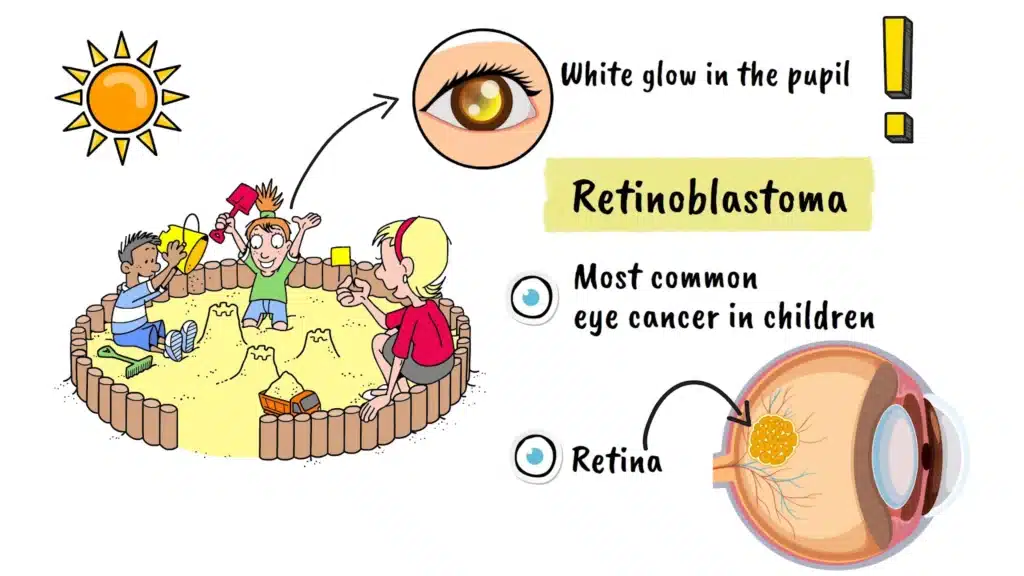
Even though it’s considered rare, it accounts for around three percent of all cancers in children, with about 300 to 400 new cases diagnosed each year in the United States and Canada, and nearly 6,000 globally. Most often, retinoblastoma appears before the age of five, and two out of three cases occur before kids turn two.
Understanding Retinoblastoma: The Genetics Behind the Disease
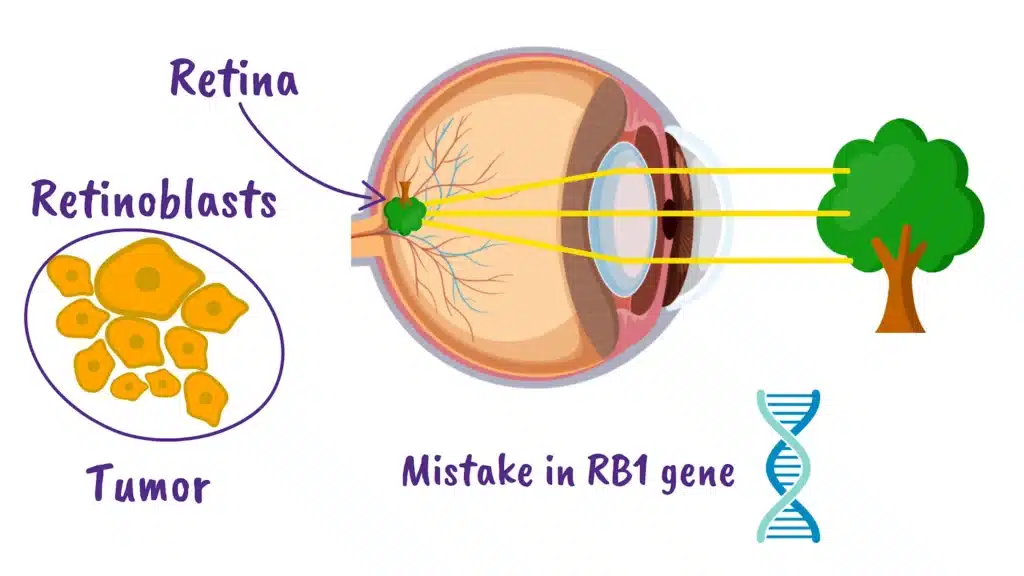
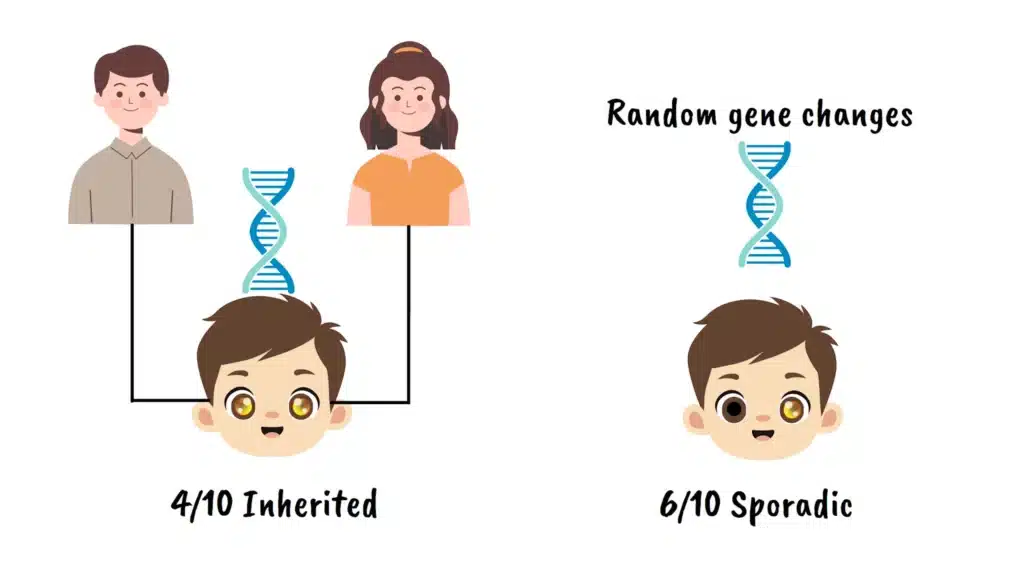
To understand what makes retinoblastoma unique, think of the retina as the “camera film” inside the eye, capturing the images your child sees. When certain cells in the retina, called retinoblasts, fail to stop growing, they can form a tumor. This loss of control usually happens because of a mistake in a gene called RB1, a sort of instruction manual for cell growth. Sometimes this mistake is inherited from a parent and affects both eyes, but most often it just happens by chance, usually in one eye. Roughly four out of ten children with retinoblastoma have the “heritable” form, meaning the genetic change is present from birth and may increase the risk of other cancers later in life. The remaining cases are “sporadic,” showing up after birth due to random gene changes and usually affecting one eye.
Early Detection Saves Lives: Recognizing the Warning Signs
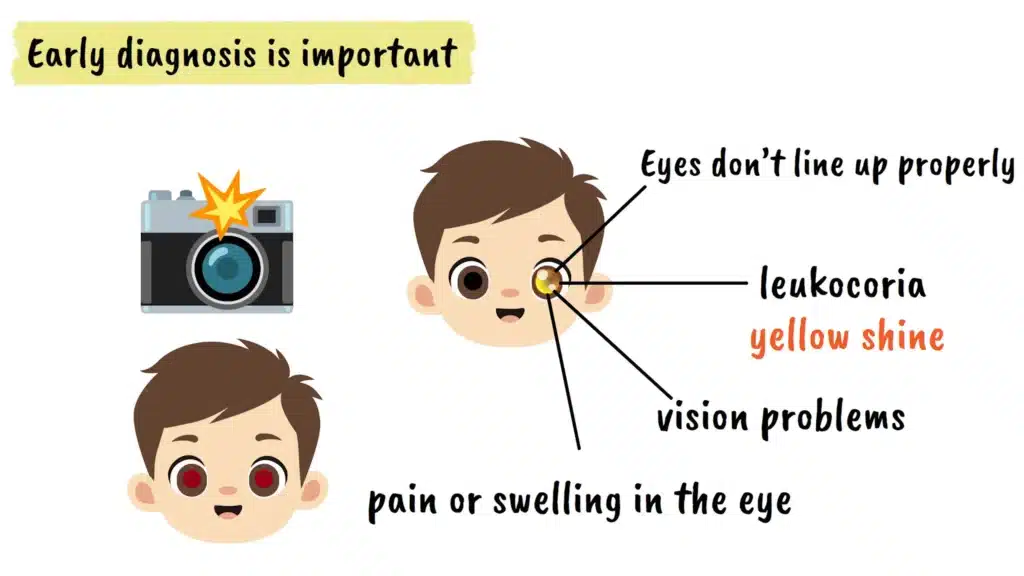
Here’s why it matters to recognize retinoblastoma early: Early diagnosis can save a child’s sight, their eye, and sometimes their life. The most common early symptom is a cloudy white pupil, medically known as leukocoria, which often catches parents off guard when they see it in a photo or under certain lighting. Sometimes, instead of the usual “red-eye” effect in pictures, there’s a white or yellow shine. Other warning signs include eyes that don’t line up properly, vision problems, and, in advanced cases, pain or swelling in the eye.
Diagnosis and Treatment Options for Retinoblastoma
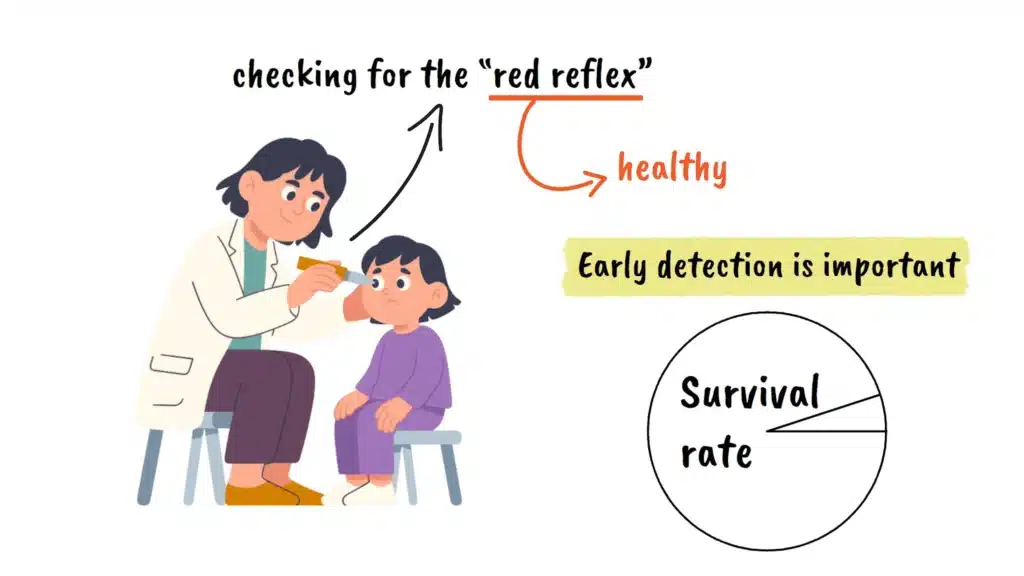
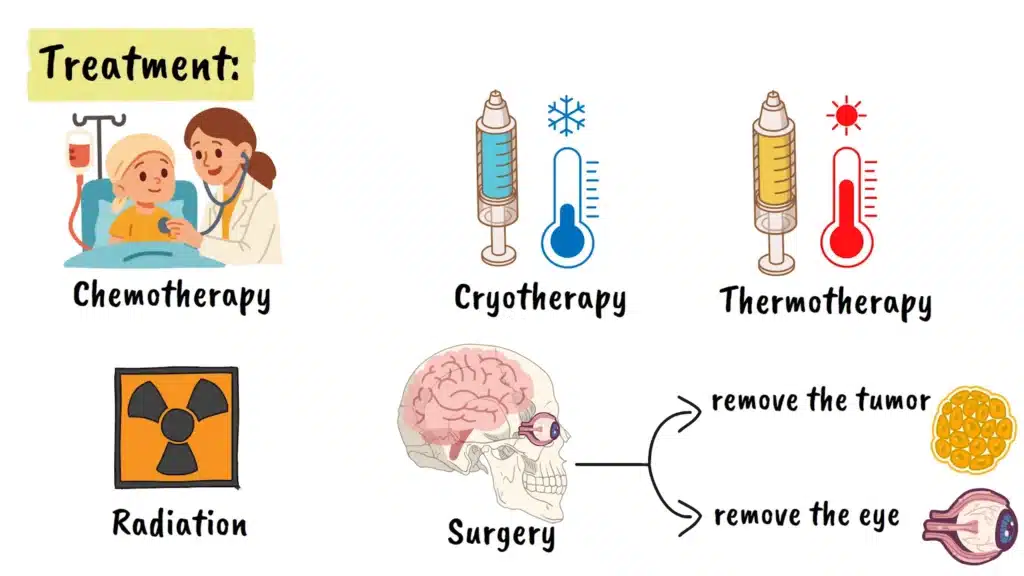
Doctors check for retinoblastoma using special lights to look for this white glow in the eye, much like checking for the “red reflex” that should be present in healthy eyes. Many eye exams in small children focus on finding this reflex as a way to catch retinoblastoma early. Most retinoblastoma cases can be treated successfully if they’re caught early and the overall survival rate in developed countries is very high, more than 95 percent. Treatments can include chemotherapy, cryotherapy, thermotherapy, radiation, and sometimes surgery to remove the tumor or, in rare cases, the entire eye to ensure the cancer doesn’t spread.
Unfortunately, in some parts of the world, children with retinoblastoma face a much higher chance of losing their sight or their lives if the cancer isn’t found early.
The Importance of Parental Awareness and Regular Eye Checkups
Parents’ awareness is truly the first line of defense. Regular eye checkups in young children, especially if there is a family history of retinoblastoma or signs like a white pupil, are vital.
As scary as the word “cancer” sounds, the key takeaway is that retinoblastoma is highly treatable when detected early. By learning what to look for and not ignoring the strange white glow in a child’s eye, families can help ensure the best possible outcomes for their children’s health and vision.
