
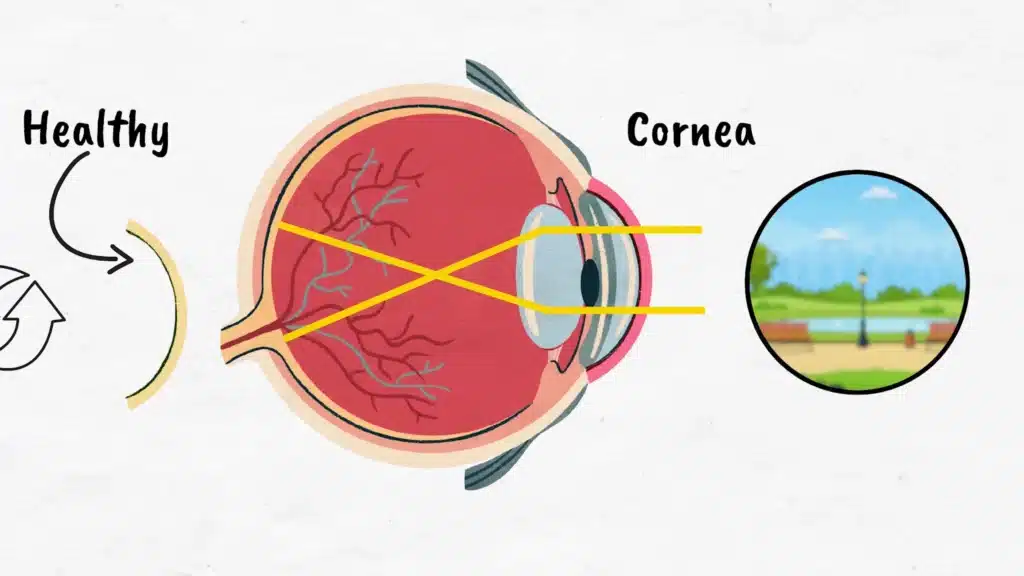
A corneal transplant is a surgical procedure to replace damaged or diseased corneal tissue with healthy tissue from a donor. The cornea is the clear, dome-shaped outer layer at the front of your eye. Think of it as a transparent window that protects your eye and helps focus light so you can see clearly. The cornea is responsible for about two-thirds of your eye’s focusing power. When the cornea becomes damaged or diseased, light cannot pass through properly, and your vision becomes blurry or distorted.
Why Would Someone Need a Corneal Transplant?
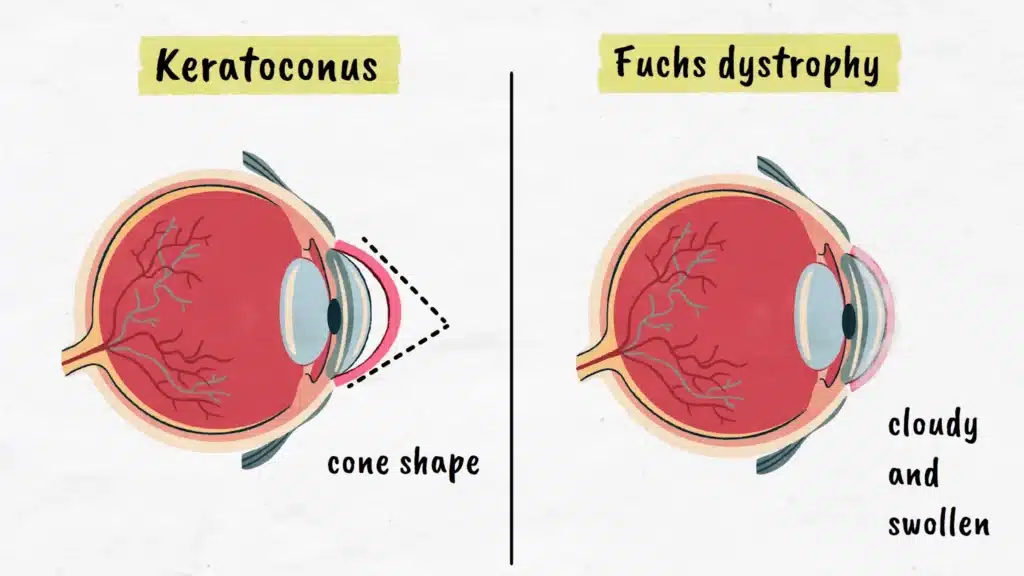
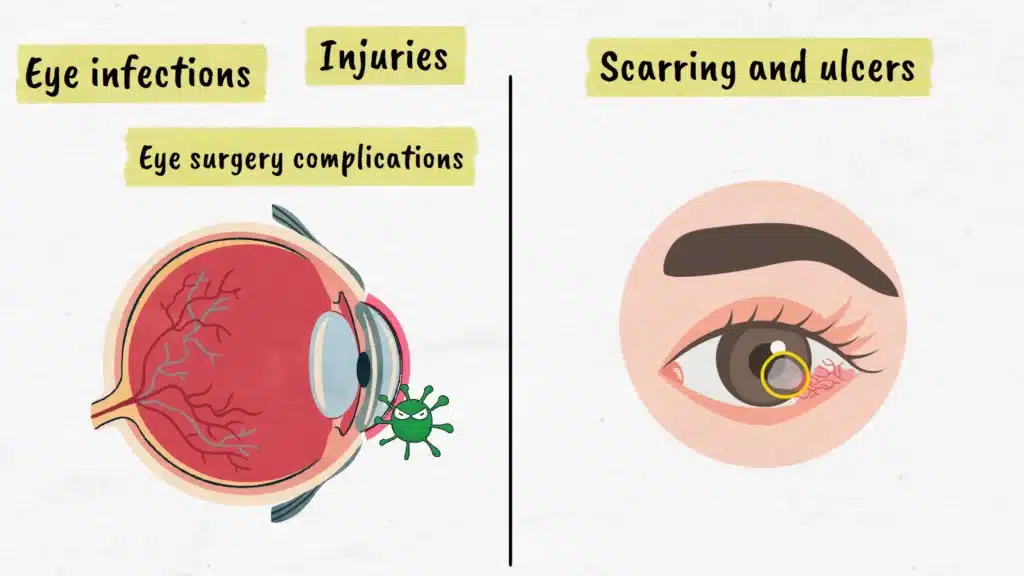
Several conditions can damage the cornea and necessitate a transplant. Here are the main reasons patients require this surgery:
Keratoconus is when the cornea gradually becomes thinner and bulges outward into a cone shape. Fuchs dystrophy is an inherited disease that makes the cornea cloudy and swollen over time. Severe eye infections, injuries, or complications after other eye surgeries can also cause corneal damage. Additionally, corneal scarring and corneal ulcers that don’t respond to medication can lead to the need for a transplant.
What Happens During a Corneal Transplant Procedure?
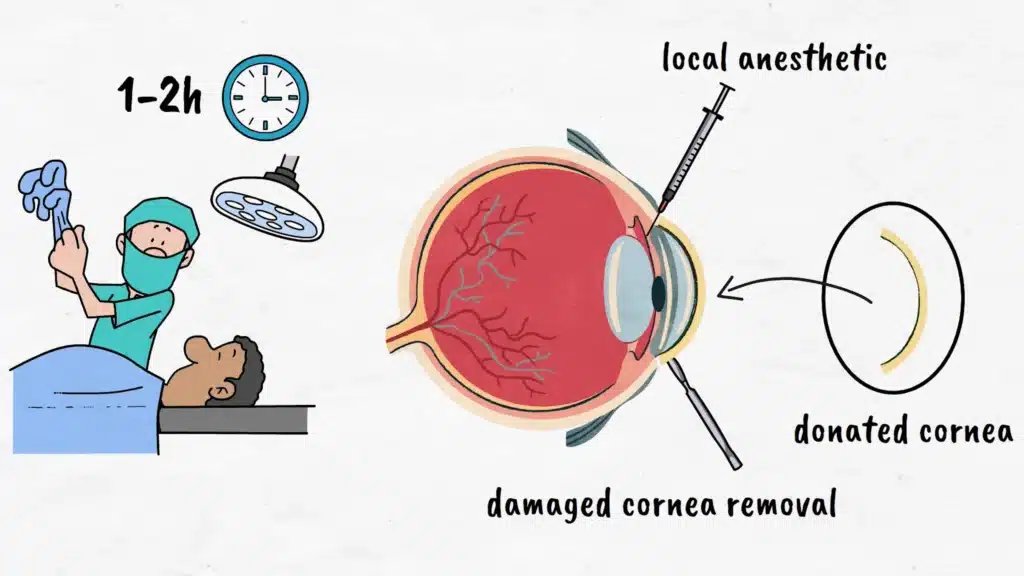
The procedure typically takes one to two hours, and most people can go home the same day. You will usually receive a local anesthetic to numb your eye, so you won’t feel any pain. The donated cornea comes from someone who has recently died and generously donated their tissue. This donated tissue is carefully tested by an eye bank to make sure it is safe to use. During the surgery, your surgeon removes either all or part of your damaged cornea, depending on which layers are affected. The healthy donor tissue is then placed into position and secured with tiny stitches, or in some cases with an air bubble inside your eye.
Recovery From Corneal Transplant Surgery
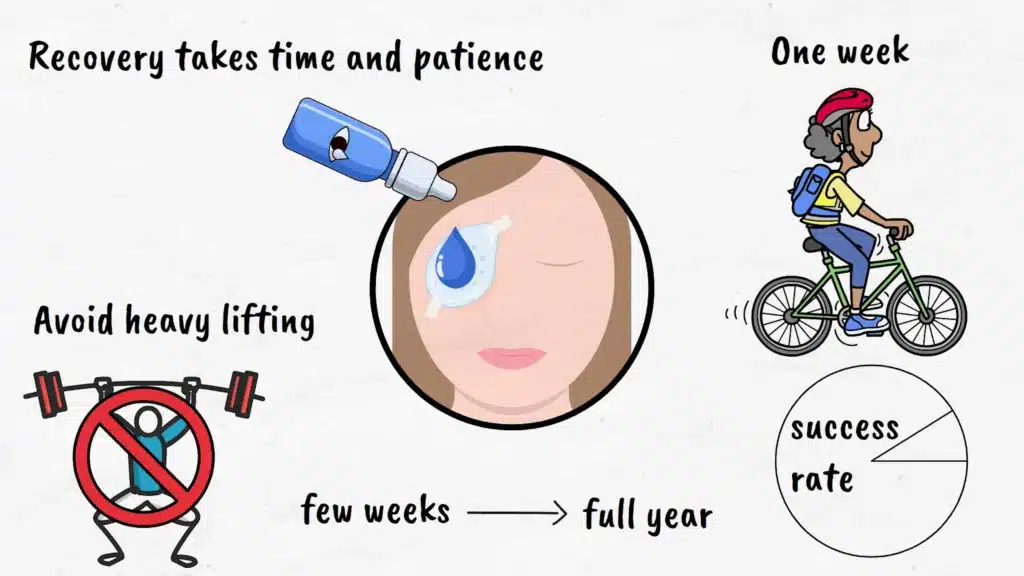
After the surgery, recovery takes time and patience. You will need to use special eye drops for several months to prevent infection and help your body accept the new cornea. It’s crucial to protect your eye by wearing a shield or eyeglasses. Most people can return to light activities within a week, but you should avoid heavy lifting for several weeks. Your vision will be blurry at first and may even be worse than before surgery, but this is normal. It can take anywhere from a few weeks to a full year for your vision to fully improve. The success rate is very high, with about ninety-one percent of transplants successful after one year. Watch for signs of rejection, which include eye pain, increased redness, unusual sensitivity to light, or sudden vision changes. If you notice these symptoms, contact your eye doctor immediately.
Key Takeaway on Corneal Transplant
Corneal transplants are highly effective procedures that can restore vision when the cornea is damaged or diseased. With proper care and attention during recovery, most patients experience significant improvement in their vision within a year. If you’re experiencing corneal problems, speak with your eye doctor about whether a corneal transplant might be right for you.
