
Eyelid twitching is an involuntary muscle spasm of your eyelid. Think of it like your eye muscle is firing repeatedly without you controlling it, similar to when a muscle suddenly jumps after exercise. This condition has a medical name called myokymia, which is a benign condition meaning it is not dangerous and does not lead to serious health problems. The twitching can occur in either your upper or lower eyelid, and it typically affects just one eye at a time.
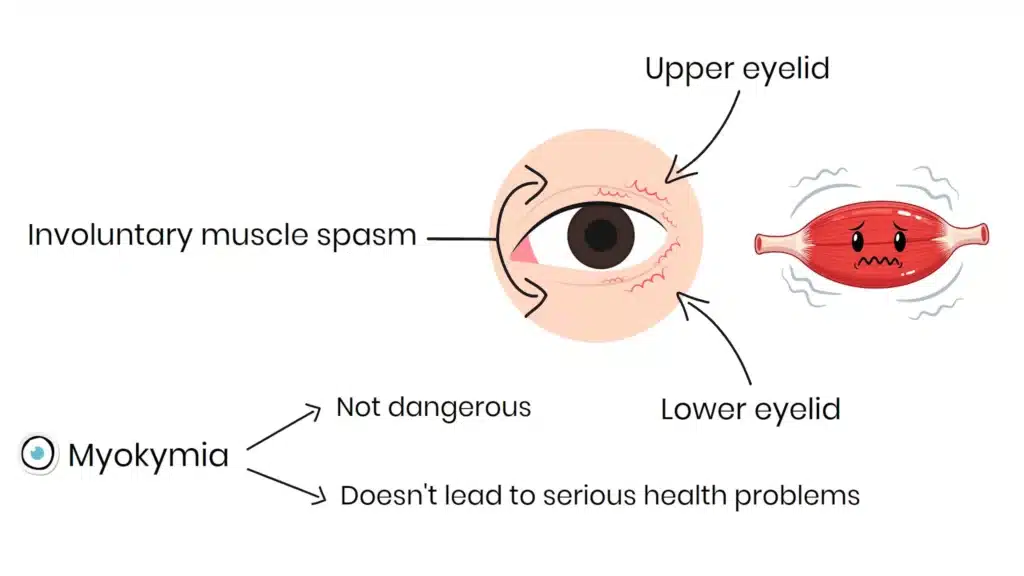
Understanding Eyelid Twitching
When your eyelid twitches, what you are experiencing is your eyelid muscle contracting repeatedly on its own. The eyelid contains several small muscles that work together to open and close your eye. These muscles are controlled by nerves, and when something disrupts the normal signaling of these nerves, the muscle misfires and causes that annoying twitching sensation. Most of the time this twitching is barely noticeable to other people, but you can definitely feel it happening.
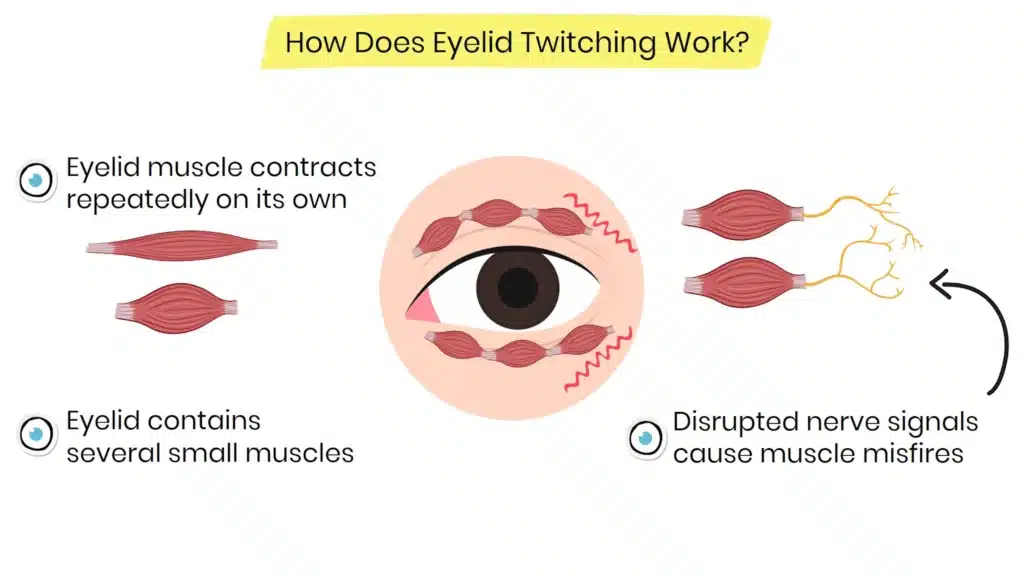
Common Triggers of Eyelid Twitching
The first and most prevalent cause is fatigue or lack of sleep. When you don’t get enough rest, your nervous system becomes overstimulated and more prone to these involuntary muscle spasms. Your nerves are essentially overworked and irritable, making them more likely to send incorrect signals to your eyelid muscles.
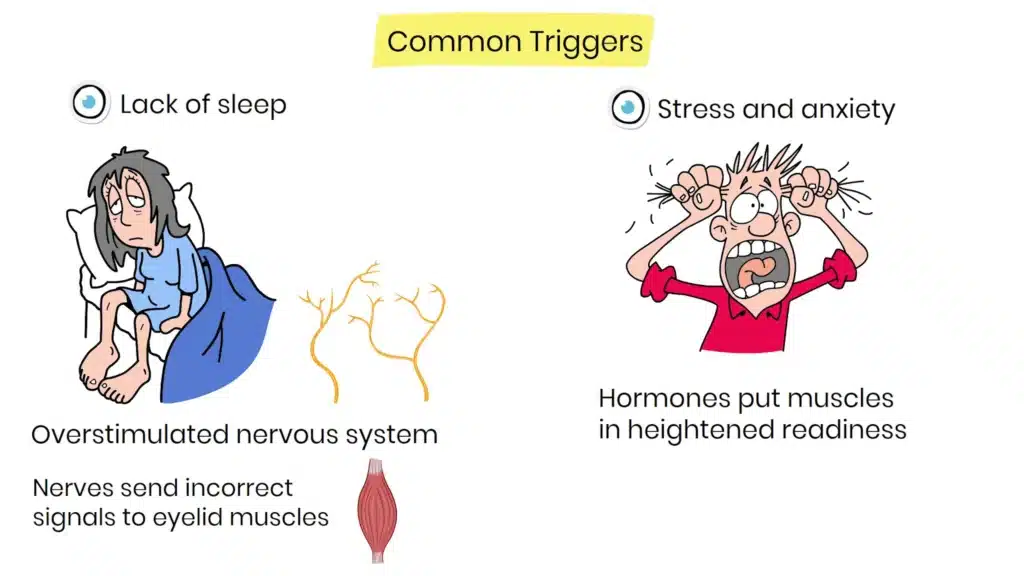
Stress and anxiety are another major trigger for eyelid twitching. When you are under mental or emotional stress, your body releases hormones that put your muscles in a heightened state of readiness. This hyperactive state can cause your eyelid muscles to contract uncontrollably. If you notice your eye twitches more when you are worried or under pressure, stress is likely the culprit.
Caffeine consumption is the third common trigger. Caffeine is a stimulant that increases activity in your nervous system. When you consume too much coffee, tea, energy drinks, or other caffeinated beverages, your nerves become overstimulated, which can manifest as eyelid twitching. Reducing your caffeine intake can sometimes provide immediate relief.
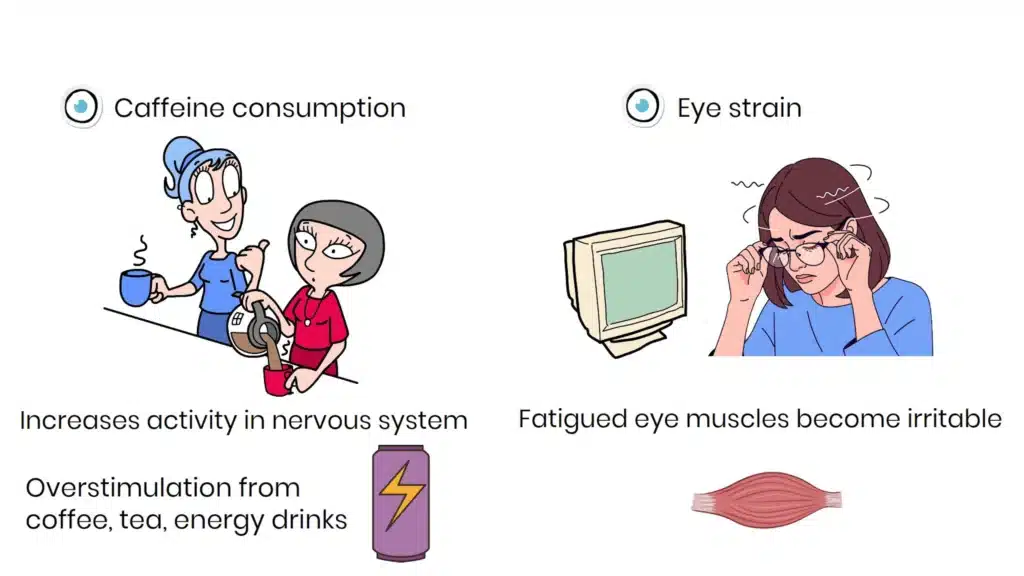
Eye strain is another significant trigger worth understanding. Eye strain occurs when you use your eyes intensely without proper rest, such as staring at a computer screen for many hours or reading in poor lighting. When your eye muscles are fatigued from this overuse, they become irritable and prone to twitching. This is why many people who work at computers experience eyelid twitching.
Other common triggers include bright lights, wind or air pollution, and dry eyes. Irritation of your eye surface can trigger the nerves controlling your eyelid muscles to misfire. Additionally, smoking and alcohol consumption can increase your risk of experiencing eyelid twitching. These substances irritate your nerves and can make your muscles more reactive.
When to Seek Medical Attention
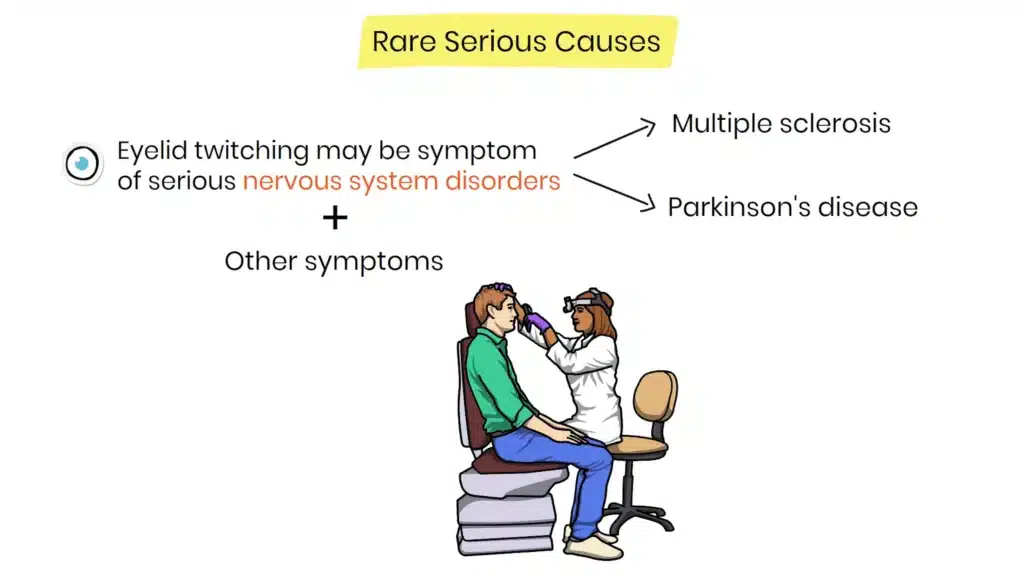
In rare cases, eyelid twitching may be a symptom of more serious nervous system disorders such as multiple sclerosis or Parkinson’s disease. However, when these conditions are the cause, eyelid twitching is almost always accompanied by other noticeable symptoms. If your eyelid twitching persists for weeks or is accompanied by other unusual symptoms, you should consult an eye doctor for proper evaluation.
How to Get Relief from Eyelid Twitching
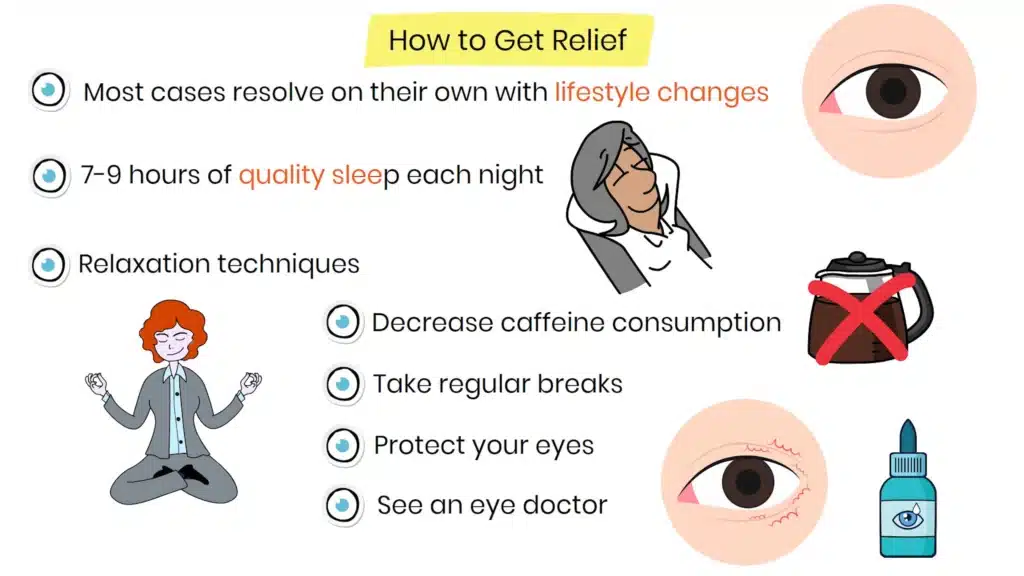
The good news is that most cases of eyelid twitching resolve on their own with simple lifestyle changes. Improving your sleep habits by getting seven to nine hours of quality sleep each night can dramatically reduce twitching. Reducing your stress through relaxation techniques and decreasing your caffeine consumption are also effective strategies. Taking regular breaks from screens and protecting your eyes from environmental irritants like wind and pollution can provide relief as well.
If your eyelid twitching persists despite these changes, an eye doctor can provide additional treatments.
