
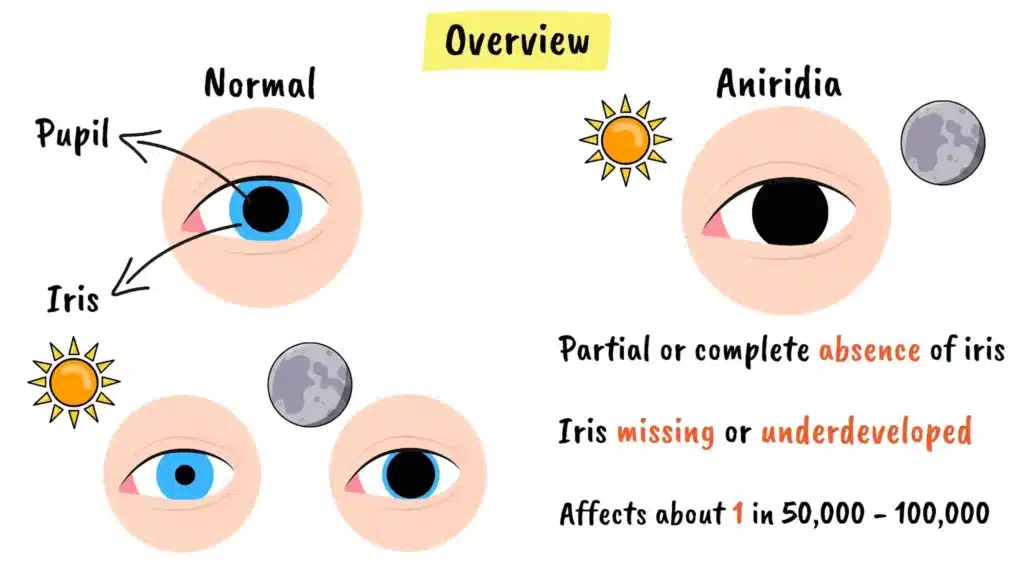
Aniridia is a rare genetic eye condition characterized by the partial or complete absence of the iris. The iris is the colored part of your eye that controls how much light enters through the pupil, which is the black hole you see in the center of your eye. Normally, when it is bright outside, your iris constricts or becomes smaller to protect your eyes. When it is dark, your iris expands or becomes larger to allow more light in so you can see better.
In people with aniridia, the iris is either missing entirely or severely underdeveloped. This means the pupil stays very large and cannot adjust properly to different lighting conditions. Aniridia is quite rare, affecting approximately one person in fifty thousand to one hundred thousand people worldwide.
Common Symptoms of Aniridia: What to Know
People with aniridia experience extreme sensitivity to light and glare. This means bright sunlight or artificial lighting can cause significant discomfort and even headaches. Many individuals with aniridia experience blurred vision even after wearing corrective glasses or contact lenses.
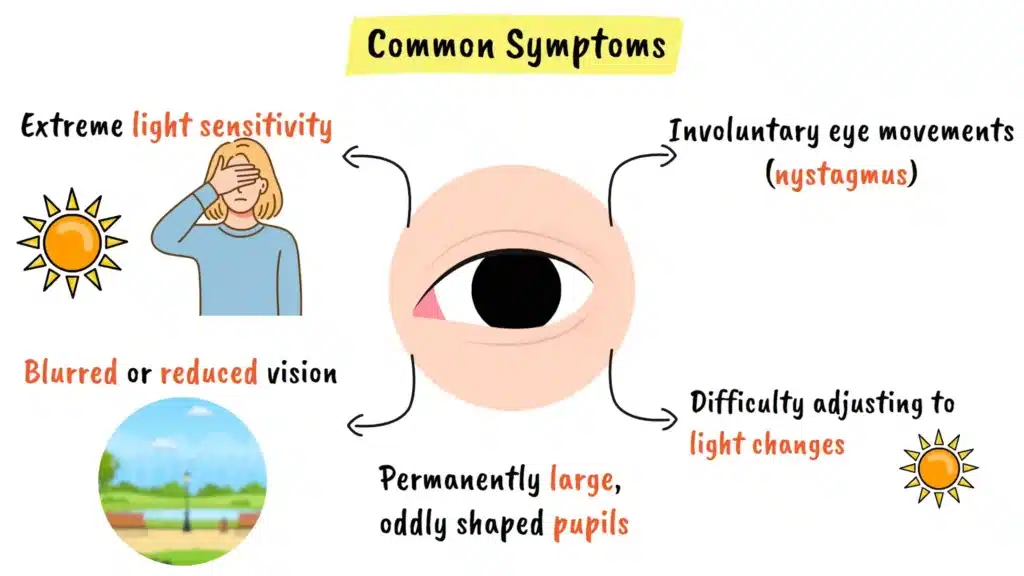
People with aniridia may also have involuntary eye movements called nystagmus, where the eyes move uncontrollably, making it harder to focus on objects. Another symptom is difficulty adjusting to changes in lighting conditions. When moving from a bright area to a dark room or vice versa, individuals with aniridia struggle much more than people with normal irises.
Additionally, the eyes may appear different because the pupils are permanently large and oddly shaped. The severity of these symptoms varies significantly from person to person, with some experiencing mild vision problems while others face more severe vision loss.
What Causes Aniridia? Understanding the Genetic Connection
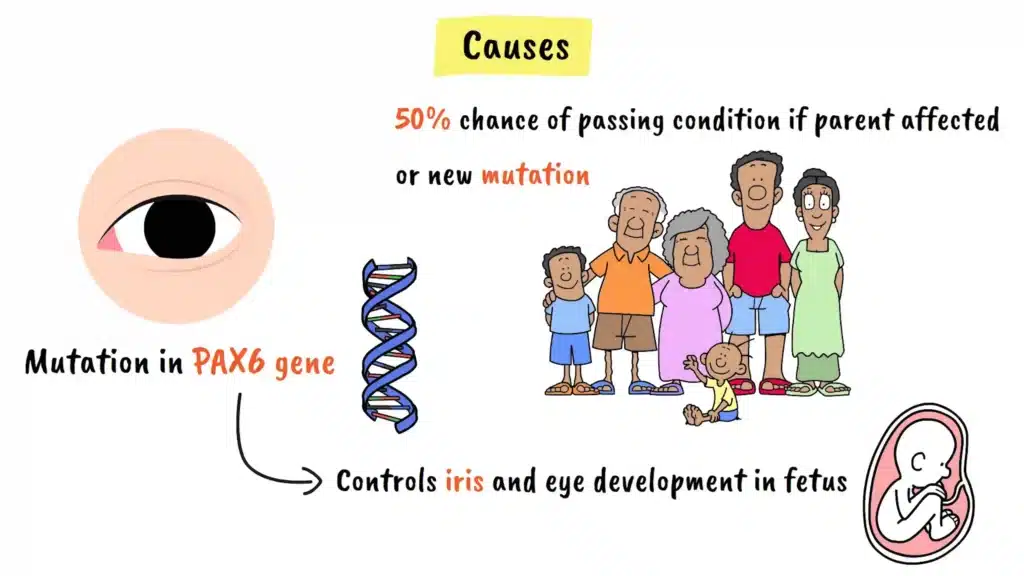
Aniridia is caused by mutations in the PAX6 gene. This gene is responsible for developing the iris and other parts of the eye during fetal development. When this gene is mutated or damaged, the iris does not form properly.
Aniridia can be inherited from a parent, meaning if one parent has aniridia, there is a fifty percent chance their child will inherit the condition. However, in some cases, aniridia can occur due to a new mutation that happens spontaneously and was not inherited from either parent.
Secondary Complications: Beyond the Missing Iris
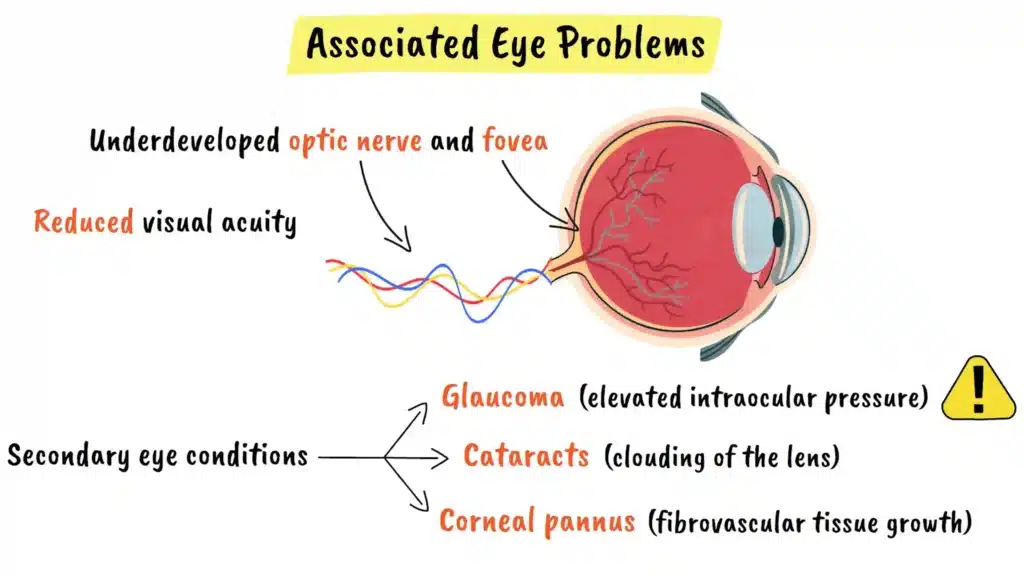
Beyond the missing iris, aniridia almost always affects other parts of the eye. Many people with aniridia are born with an underdeveloped optic nerve or fovea. The fovea is the central part of the retina responsible for seeing fine details. An underdeveloped fovea means reduced visual acuity or the ability to see sharp details.
Over time, people with aniridia may develop secondary eye conditions. These include glaucoma, which occurs when pressure builds up inside the eye and damages the optic nerve, cataracts, which cause clouding of the lens, and corneal pannus, where abnormal fibrovascular tissue grows from the edge of the cornea onto its normally clear surface, reducing its transparency. Glaucoma is particularly serious because it can cause permanent vision loss if not treated promptly.
Management and Treatment Options for Aniridia
Currently, there is no cure for aniridia itself, but various treatments and management strategies can help maintain or improve vision. Wearing corrective glasses or specialized sunglasses with tinted lenses or filters can significantly help. These protective eyeglasses reduce glare and light sensitivity while helping your eyes focus better.
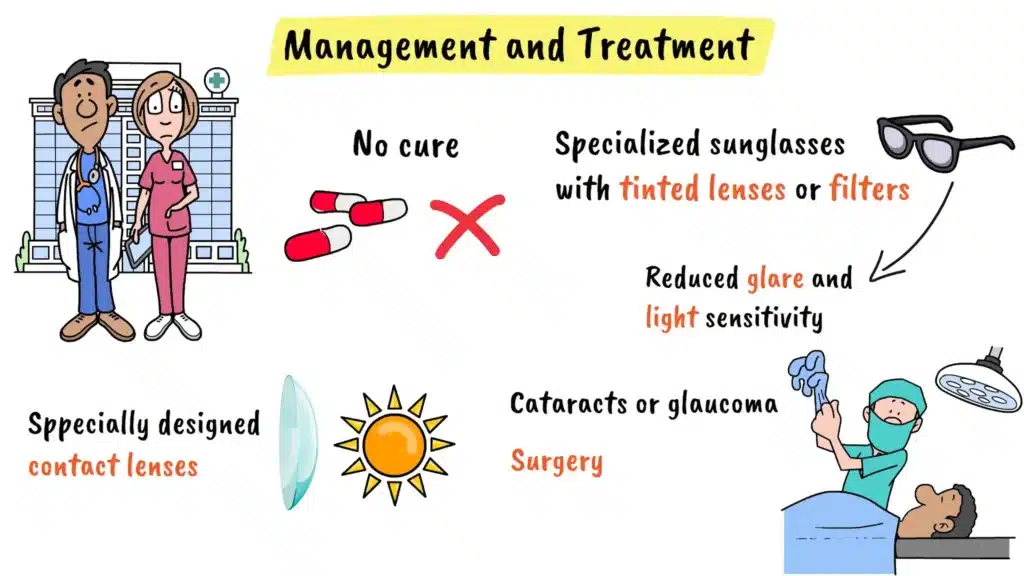
Some people benefit from wearing specially designed contact lenses that are painted to control light entering the eye and may improve both appearance and vision. For people with serious secondary conditions like cataracts or glaucoma, surgery may be necessary. Regular eye exams with an eye care specialist are absolutely crucial. These exams help detect complications early, when treatment is most effective. Some patients may benefit from visual aids and rehabilitation services to help them make the most of their remaining vision.
Key Takeaways About Living with Aniridia
While aniridia is a lifelong condition with no cure, proper management and regular monitoring can help individuals maintain their quality of life and prevent complications. Working closely with eye care specialists and utilizing available treatment options ensures the best possible outcomes for those living with this rare genetic eye disorder.
