
Esotropia is a condition where one or both eyes turn inward toward the nose. This is a type of eye misalignment known as strabismus, one of the most common vision disorders affecting children and adults worldwide. The eyes are controlled by six extraocular muscles that work together harmoniously to help them move in the same direction and focus on the same object simultaneously. When these muscles don’t work properly, the eyes can become misaligned, causing them to point in different directions and creating visual complications.
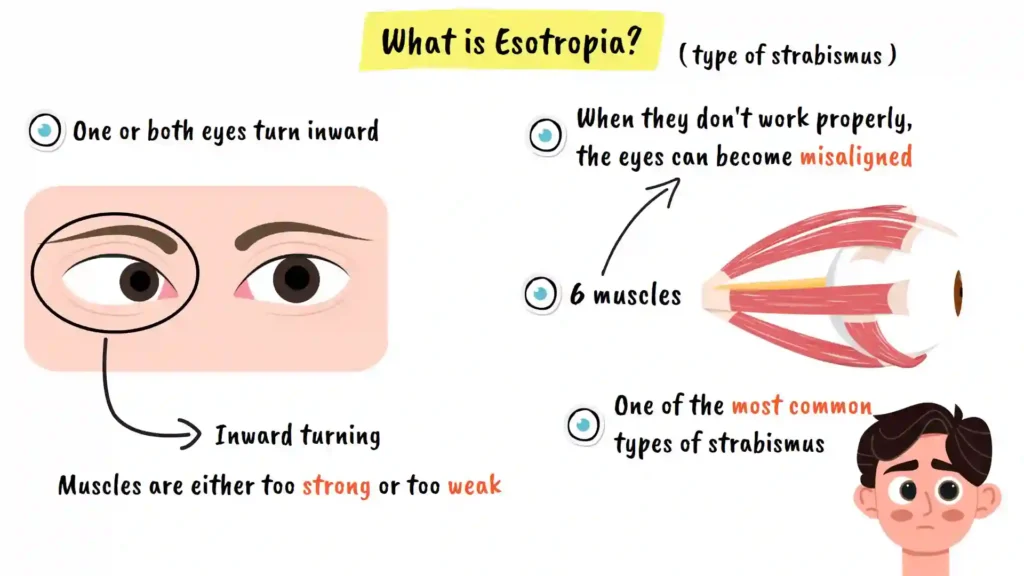
In esotropia, the inward turning of the eye happens because the muscles that control eye movement are either too strong or too weak, disrupting the delicate balance required for proper alignment. This causes the eye to deviate inward rather than maintaining proper alignment with the other eye. Esotropia is actually one of the most common types of eye misalignment in children, though it can also occur in adults and may develop at any age. Understanding this condition is essential for early detection and appropriate intervention to prevent long-term vision problems.
Common Signs and Symptoms of Esotropia
The symptoms of esotropia can vary significantly in severity from person to person, depending on the degree of eye misalignment and how long the condition has been present. Recognizing these symptoms early is crucial for seeking timely medical attention and preventing complications.
Blurred or double vision
If you or your child has esotropia, you might experience blurred or double vision, which means you see two distinct images of the same object instead of one clear image. This symptom is called diplopia and can be particularly challenging for daily activities. You might notice an eye that turns inward noticeably, particularly when you’re tired, stressed, or concentrating intensely on something close to your face. This inward turning becomes more pronounced under fatigue or when visual demands are high.
Difficulty with depth perception
Many people with esotropia have difficulty with depth perception, which is your ability to accurately judge how far away objects are from you. This depth perception difficulty can significantly affect daily activities like catching a ball, navigating stairs safely, or parking a car. You might experience persistent headaches or eye strain from the constant effort your eyes are making to align properly. These headaches often occur after prolonged visual tasks or at the end of the day when fatigue sets in.
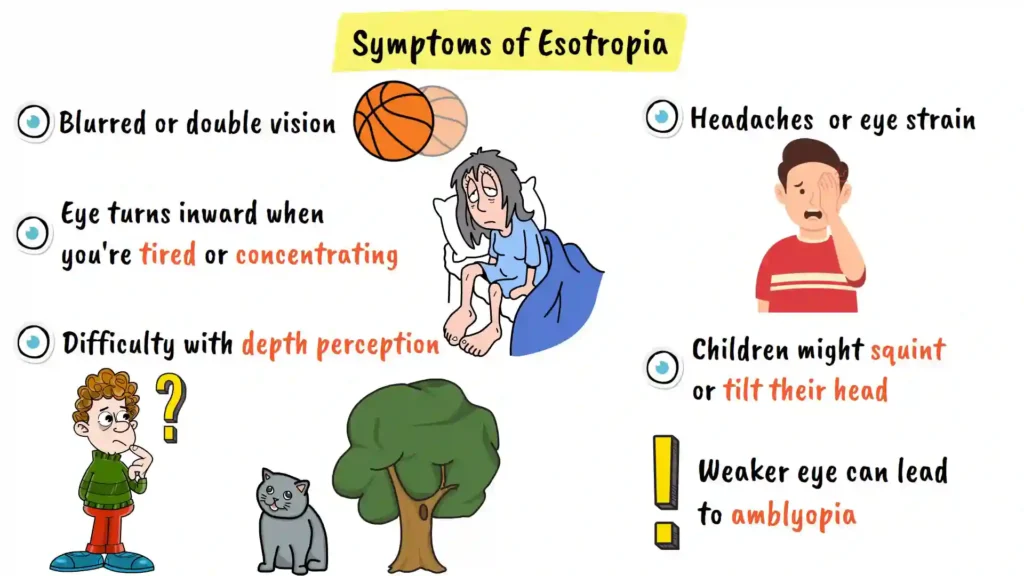
Squinting or head tilting
Children with esotropia might squint frequently or tilt their head to try to see better and compensate for the misalignment. Parents may also notice that their child covers one eye spontaneously when looking at objects. In some cases, one eye might become weaker than the other, a condition called amblyopia, commonly known as lazy eye. This develops when the brain starts to favor one eye over the misaligned eye, gradually reducing the visual development in the weaker eye. If left untreated, amblyopia can result in permanent vision loss in the affected eye.
Detailed Examination of Esotropia Causes
Understanding what causes esotropia is critically important for proper diagnosis, treatment planning, and prevention strategies. There are several interconnected factors that can contribute to the development of this eye condition, and multiple causes can be present simultaneously in some cases.
Eye Muscle Control Problems and Imbalance
The extraocular muscles, which are the muscles surrounding the eye and responsible for eye movement, might not be balanced or coordinated properly. When these muscles lose their proper function or develop strength imbalances, the eyes can drift inward rather than maintain proper alignment. This muscular imbalance may be congenital, present from birth, or develop over time due to various factors affecting muscle function.
Refractive Errors and Vision Problems
Refractive errors like hyperopia, which is commonly called farsightedness, can significantly contribute to esotropia development. When someone has hyperopia, the eyes have to work much harder to focus on objects, especially those that are near to them. This excessive focusing effort can strain the muscles controlling eye alignment and ultimately lead to inward deviation of the eyes. Correcting refractive errors through glasses or contact lenses is often the first step in treating esotropia related to hyperopia.
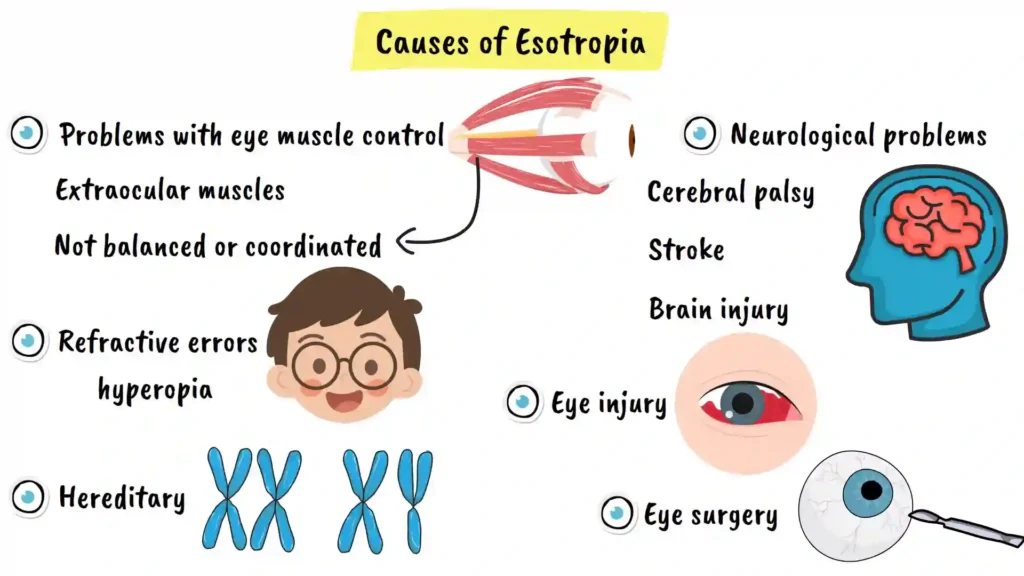
Hereditary and Genetic Factors
Sometimes esotropia is hereditary, meaning it runs in families and can be passed down through generations. If your parents had this condition, your risk of developing esotropia is considerably higher than the general population. Genetic factors can influence how the extraocular muscles develop, their strength, and their ability to function properly throughout life. If you have a family history of strabismus or eye misalignment, regular eye examinations are particularly important.
Neurological Problems and Nerve Damage
Neurological problems can also cause esotropia in both children and adults. Any condition affecting the nerves that control the eye muscles can lead to this misalignment and vision problems. Cerebral palsy, which affects muscle coordination throughout the body, stroke, or traumatic brain injury are examples of serious conditions that might result in esotropia as a secondary symptom. These neurological causes may develop suddenly or gradually depending on the underlying condition.
Eye Injury and Post-Surgical Complications
Sometimes esotropia develops after an eye injury or following eye surgery. Trauma to the eye area or complications from surgical procedures can affect the function of the eye muscles, causing them to lose their coordinated movement. Injuries that damage the extraocular muscles directly or affect the nerves controlling these muscles can result in lasting eye misalignment.
Comprehensive Treatment Options for Esotropia
The approach to treating esotropia depends significantly on the severity of the condition, its underlying cause, the patient’s age, and how long the condition has been present. Treatment options range from non-invasive conservative approaches to surgical interventions, and often a combination of treatments is most effective.
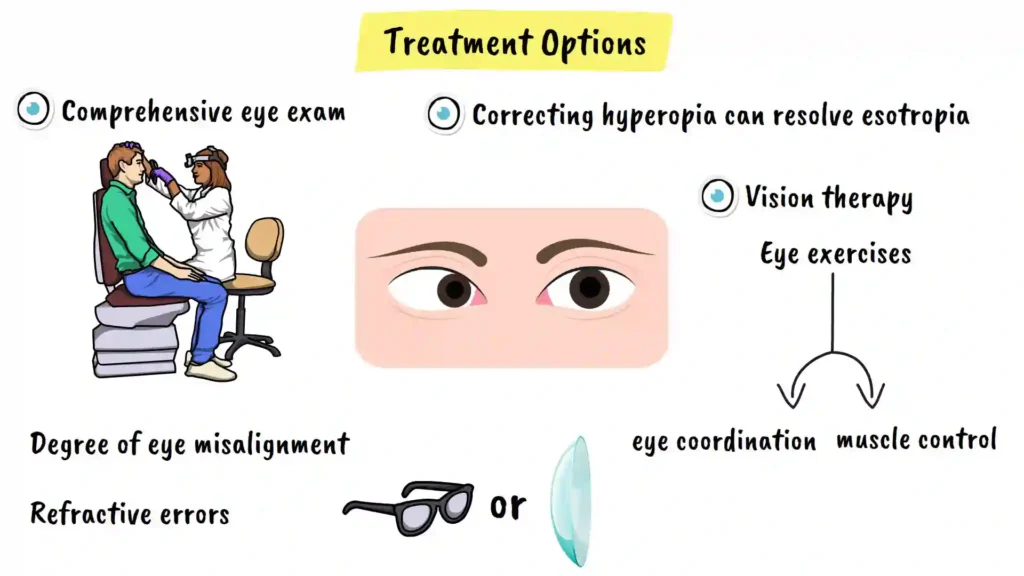
Comprehensive Eye Examination and Diagnosis
The first step in esotropia treatment is always a comprehensive eye examination by an experienced eye doctor or ophthalmologist. During this thorough evaluation, they will carefully measure the degree of eye misalignment using specialized instruments and techniques. They will also check for any refractive errors that may be contributing to the condition. This detailed diagnostic evaluation is absolutely crucial for determining the most appropriate treatment approach for your specific situation and ruling out other underlying eye conditions.
Corrective Lenses and Refractive Correction
If you have glasses prescription needs, correcting them with eyeglasses or contact lenses is often the first treatment option and should be tried before considering surgery. For people with hyperopia and esotropia, providing the correct refractive correction can sometimes resolve esotropia entirely, eliminating the need for further intervention. Many cases of esotropia can be significantly improved or completely resolved simply by providing the correct refractive correction through glasses or contact lenses. This conservative approach should always be the first step in treatment.
Vision Therapy and Eye Muscle Exercises
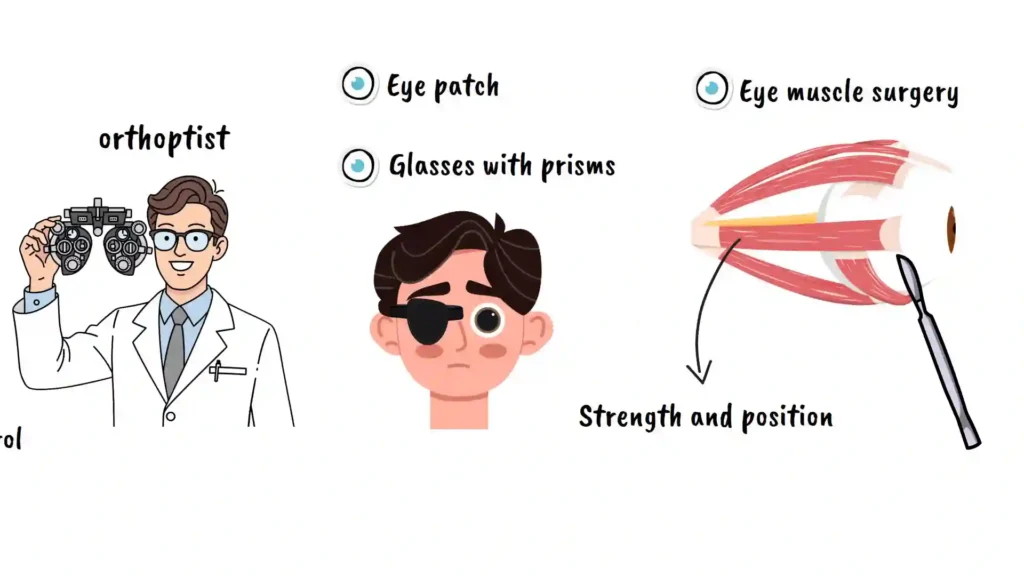
Vision therapy is another important and effective treatment option for many people with esotropia. This evidence-based approach involves carefully designed eye exercises and specialized training designed to improve eye coordination and strengthen the muscles controlling eye movement. An eye specialist called an orthoptist or vision therapist can professionally guide you through these therapeutic exercises and monitor your progress over time. For many people, especially children whose visual systems are still developing, eye patches or special glasses with prisms can help retrain the eyes to work together properly and improve alignment.
Eye Muscle Surgery for Severe Cases
In more severe cases of esotropia that don’t respond to conservative treatment, eye muscle surgery might become necessary. During this precise surgical procedure, an experienced eye surgeon carefully adjusts the strength and position of the eye muscles to improve alignment and restore binocular vision. Surgery is typically considered when other conservative treatments have not been successful after adequate trial, when the degree of misalignment is too significant to be managed with glasses or vision therapy alone, or when complications like amblyopia are developing. Modern eye muscle surgery has high success rates and can significantly improve alignment and visual function.
Importance of Early Detection and Treatment
Early detection of esotropia is critical for preventing serious complications and ensuring the best possible visual outcomes. Children whose esotropia is diagnosed and treated early have better chances of developing normal binocular vision and avoiding permanent vision problems. Regular eye examinations, especially for children with a family history of strabismus or eye misalignment, can help identify the condition before complications develop.
Final Thoughts and When to Seek Help
Esotropia is a highly treatable condition that affects many children and some adults worldwide. With appropriate diagnosis and timely treatment, the vast majority of people with esotropia can achieve significantly improved eye alignment and visual function. Early diagnosis and appropriate treatment can help prevent serious complications like lazy eye and substantially improve overall visual function and quality of life.
If you suspect you or your child may have esotropia, schedule an appointment with an eye care professional for a comprehensive evaluation as soon as possible. Don’t wait for symptoms to worsen, as early intervention produces the best outcomes. An eye doctor can determine the underlying cause and recommend the most appropriate treatment plan tailored to your specific needs and circumstances.
