
A retinal detachment is a serious condition where the retina, which is the light-sensitive tissue lining at the back of your eye, pulls away or separates from the layer of blood vessels beneath it. To help you understand this better, think of the retina like the film in an old camera. Just as film needs to be in contact with the camera’s back plate to capture an image, the retina needs to stay attached to the back of your eye to send images to your brain.
When the retina detaches, it can no longer receive oxygen and nutrients from the blood vessels underneath, and this can lead to permanent vision loss if not treated promptly.
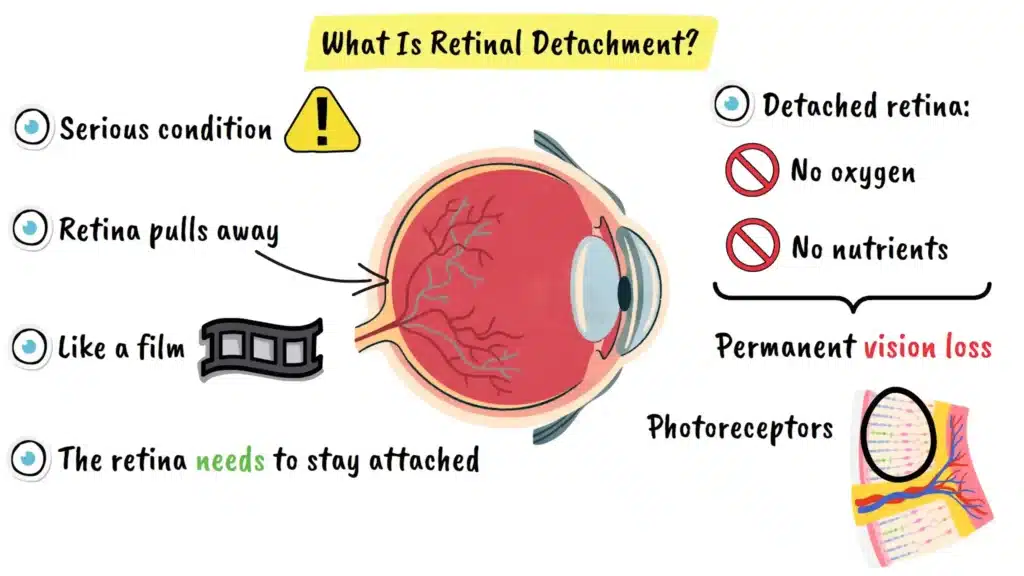
The Structure and Function of the Retina
The retina is an incredibly important part of your eye. It contains millions of special cells called photoreceptors, which are responsible for detecting light and translating it into signals that your brain can understand as images. Without a healthy, properly attached retina, your vision cannot function normally.
Common Symptoms of Retinal Detachment
Recognizing the early warning signs of retinal detachment is crucial for getting timely treatment. Here are the most common symptoms to watch for:
Floaters
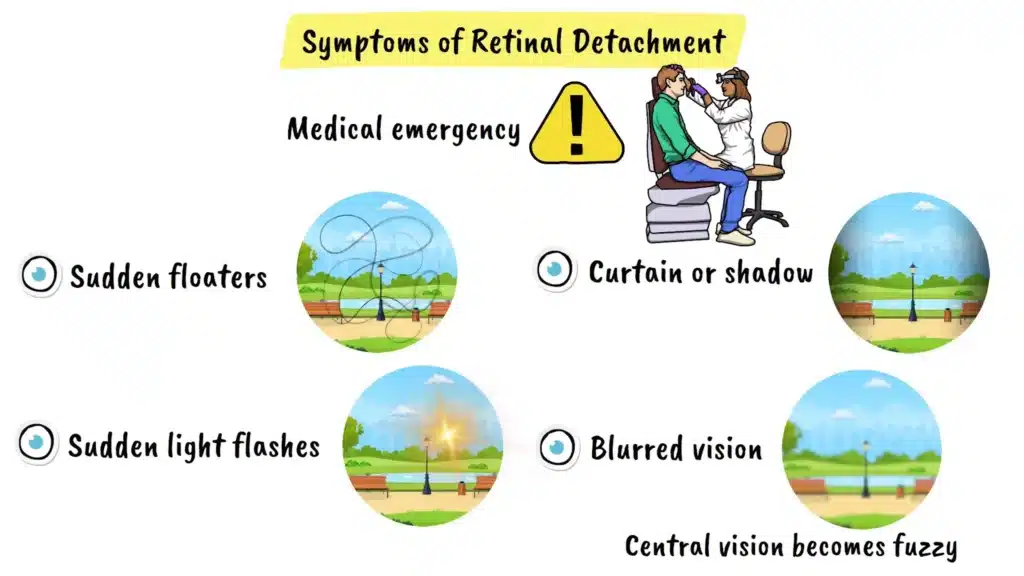
If you experience a sudden shower of floaters, which are small dark spots or cobweb-like shapes that seem to float in your vision, this could be a warning sign. This symptom often appears suddenly and may be accompanied by other visual changes.
Flashes of Light
You might also notice sudden flashes of light in your peripheral vision, especially in the corner of your eye. These flashes can occur without any apparent external cause and may become more frequent over time.
Visual Curtain or Shadow
Some people describe seeing what looks like a curtain or shadow moving across their visual field, starting from either the top, bottom, or side of their vision. This symptom is particularly concerning as it may indicate that the detachment is progressing.
Blurred Vision
Blurred vision is also possible, and you might notice that your central vision becomes fuzzy or distorted. Your vision may seem unclear or out of focus, making it difficult to perform everyday tasks.
If you are experiencing any of these symptoms, it is critical to see an eye doctor immediately. Retinal detachment is a medical emergency, and the earlier it is treated, the better your chances of preserving your vision. Keep in mind that these symptoms can also be caused by other eye conditions, so it is important to get a proper diagnosis from a qualified eye professional.
What Causes Retinal Detachment?
There are several different types and causes of retinal detachment. Understanding what causes this condition can help you identify your risk factors and take preventive measures.
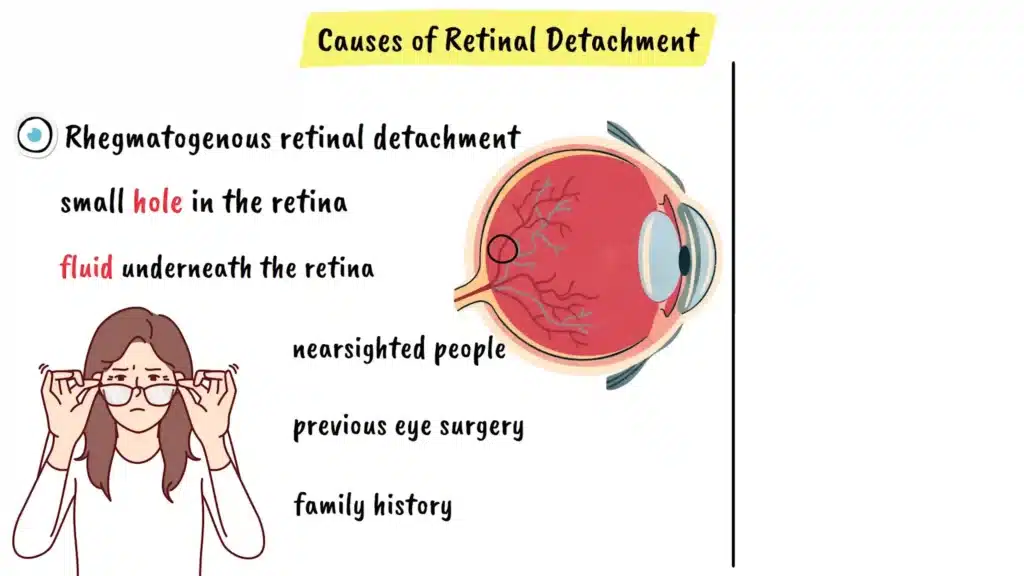
Rhegmatogenous Retinal Detachment
The most common type is called rhegmatogenous retinal detachment, which happens when there is a small tear or hole in the retina. When this tear occurs, fluid can seep through it and collect underneath the retina, causing it to pull away from the eye wall. This often happens in people who are nearsighted, who have had eye surgery before, or who have a family history of retinal detachment.
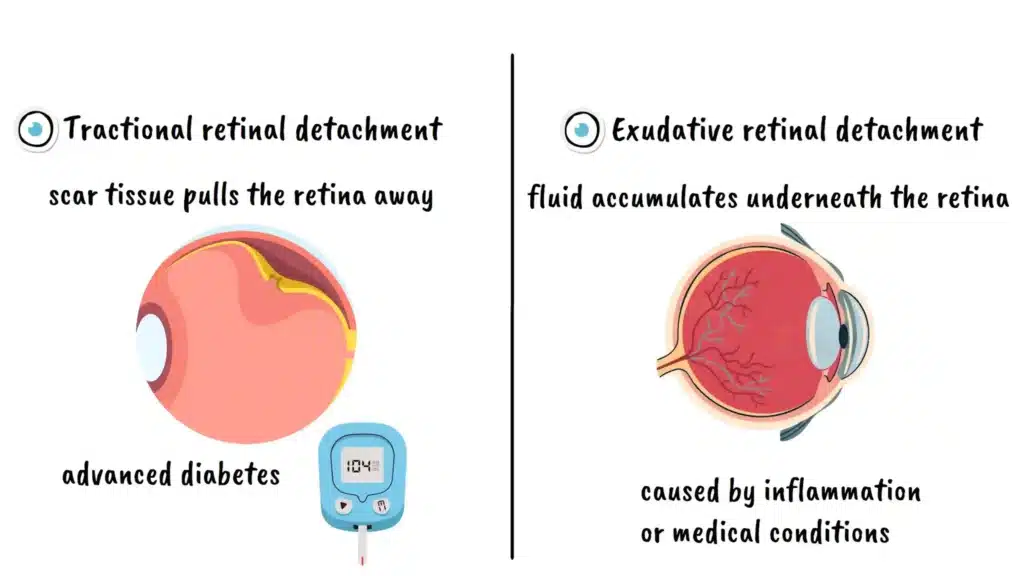
Tractional Retinal Detachment
Another type is called tractional retinal detachment, which occurs when scar tissue on the surface of the retina contracts and pulls the retina away from the wall of the eye. This type is often seen in people with advanced diabetes, making blood sugar control particularly important for diabetic patients.
Exudative Retinal Detachment
There’s also exudative retinal detachment, which happens when fluid accumulates underneath the retina without any tear or hole being present. This can be caused by inflammation in the eye or other underlying medical conditions.
Risk Factors to Be Aware Of
In addition to the types of retinal detachment mentioned above, other risk factors include:
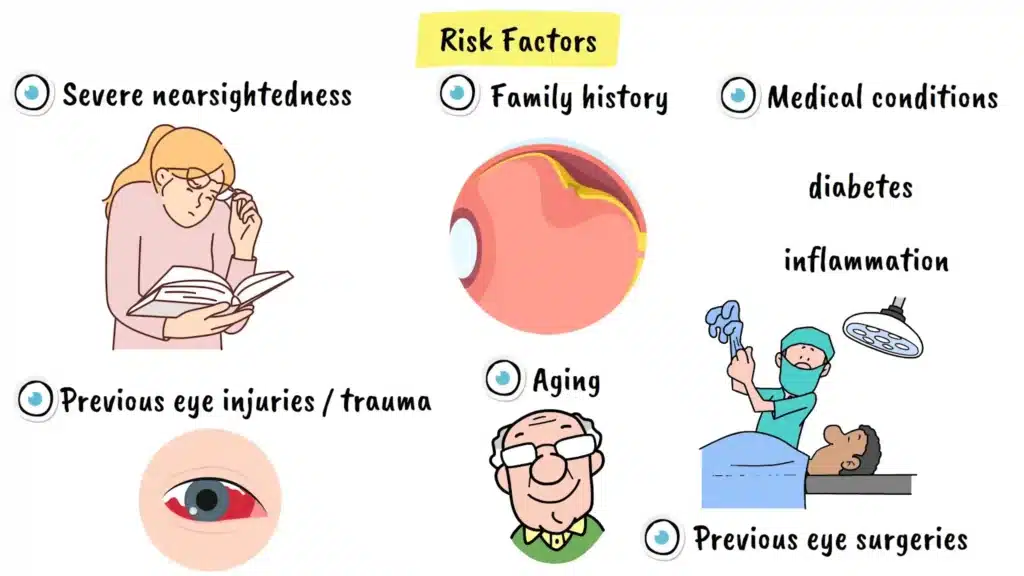
- Severe nearsightedness
- A family history of retinal detachment
- Previous eye injuries or trauma
- Certain medical conditions like diabetes or inflammation inside the eye
- Aging, as risk increases with age
- Previous eye surgeries
If you have any of these risk factors, it’s especially important to have regular eye examinations and to report any unusual symptoms to your eye care professional immediately.
Treatment Options for Retinal Detachment
The treatment for retinal detachment depends on the severity and location of the detachment, as well as how quickly it’s treated. There are several surgical approaches available, and your eye doctor will recommend the most appropriate option for your specific situation.
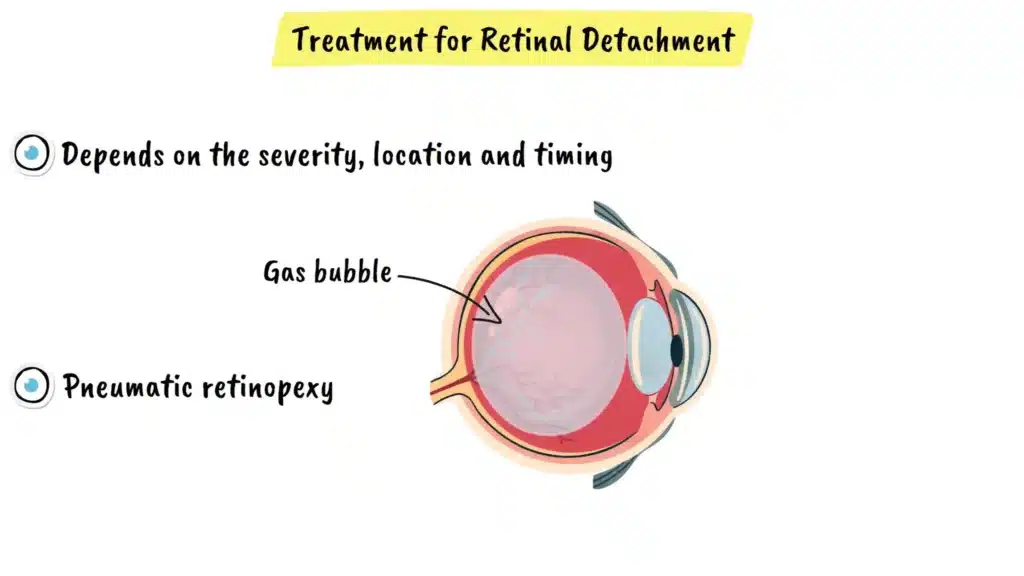
Pneumatic Retinopexy
One common surgical approach is called pneumatic retinopexy, which involves injecting a small gas bubble into the eye. This bubble expands and pushes the detached retina back against the eye wall, allowing it to reattach. This procedure is often used for detachments that are located in the upper portion of the eye.
Scleral Buckling
Another surgical option is scleral buckling, where the surgeon places a flexible band around the white part of the eye to indent the eye wall and reduce the pulling force on the retina. This helps the retina reattach to the eye wall and has been used successfully for decades.
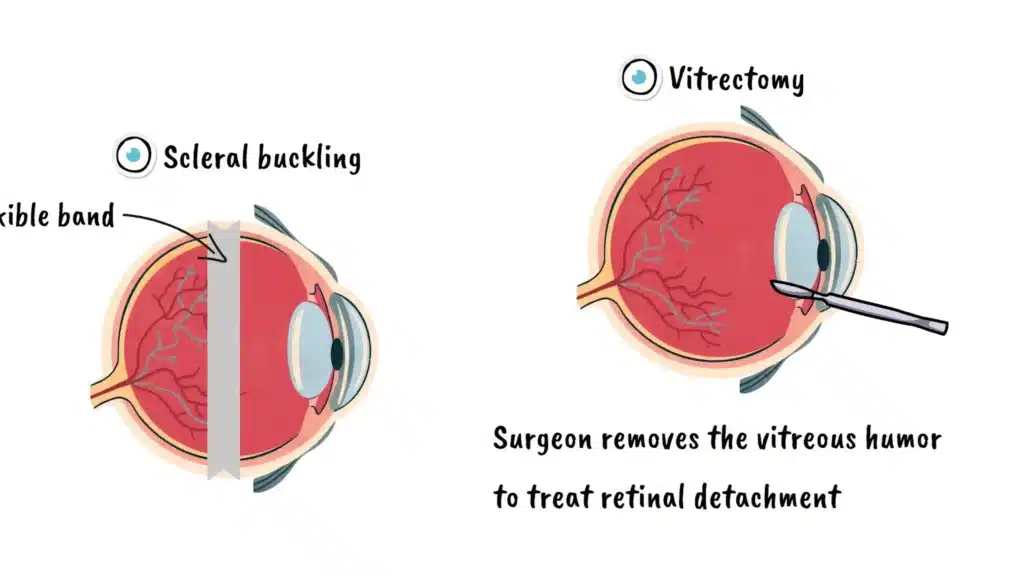
Vitrectomy
Finally, there’s a procedure called vitrectomy, where the surgeon removes the gel that fills the center of your eye, which is called the vitreous. By removing this gel, they can better access the retina, repair any tears, and then fill the eye with a gas bubble or silicone oil to help the retina stay in place while it heals.
Prognosis and Success Rates
The success of treatment depends on many factors, including how quickly you sought medical attention. If retinal detachment is caught early, before the macula, which is the part of the retina responsible for detailed central vision, becomes detached, the chances of preserving good vision are much higher. This is why early detection and prompt treatment are absolutely essential for protecting your eyesight.
Conclusion
Retinal detachment is a serious eye condition that requires immediate medical attention. By understanding the symptoms, causes, and treatment options, you can be better prepared to protect your vision. If you experience any of the warning signs mentioned in this article, don’t wait to contact your eye care professional. Your vision is precious, and getting prompt treatment can make the difference between preserving your sight and experiencing permanent vision loss.
