
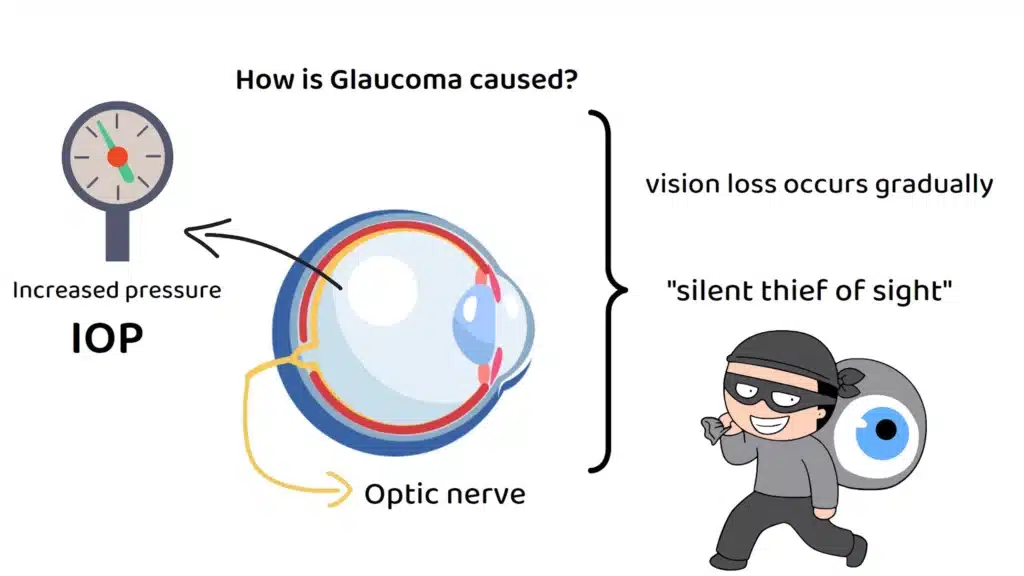
Glaucoma represents one of the leading causes of preventable blindness worldwide. Often called “the silent thief of sight,” this serious eye disease progresses without noticeable symptoms until significant vision damage has already occurred. Understanding glaucoma’s causes, risk factors, and treatment options is essential for protecting your long-term eye health.
What Is Glaucoma?
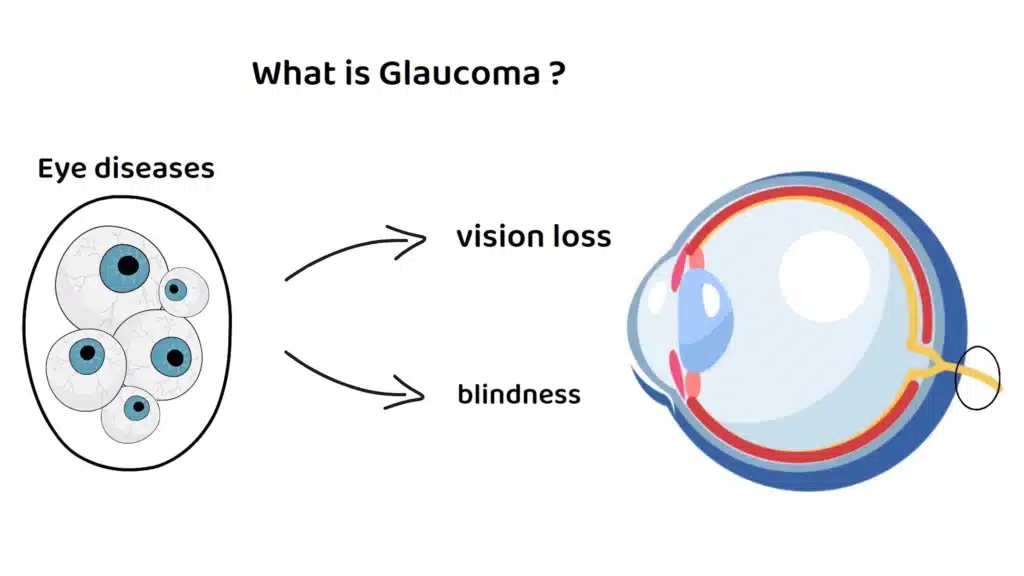
Glaucoma is a group of eye diseases characterized by progressive damage to the optic nerve, the crucial nerve that transmits visual information from your eye to your brain. This damage typically results in irreversible vision loss and, if left untreated, can lead to complete blindness.
The Role of Intraocular Pressure
Most commonly, glaucoma is associated with elevated intraocular pressure (IOP)—the fluid pressure inside your eye. However, it’s important to note that some forms of glaucoma can develop even when IOP remains within normal ranges, making regular professional eye examinations critical for early detection.
The disease is progressive, meaning vision loss occurs gradually over time. Early detection through regular eye exams is the most effective way to prevent irreversible damage.
Risk Factors for Glaucoma: Do You Need to Be Tested?
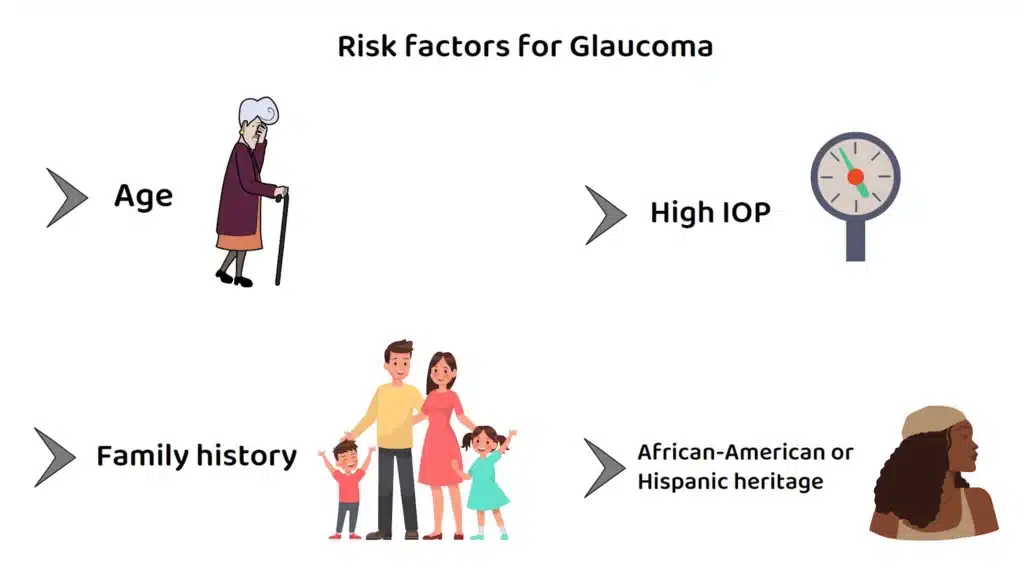
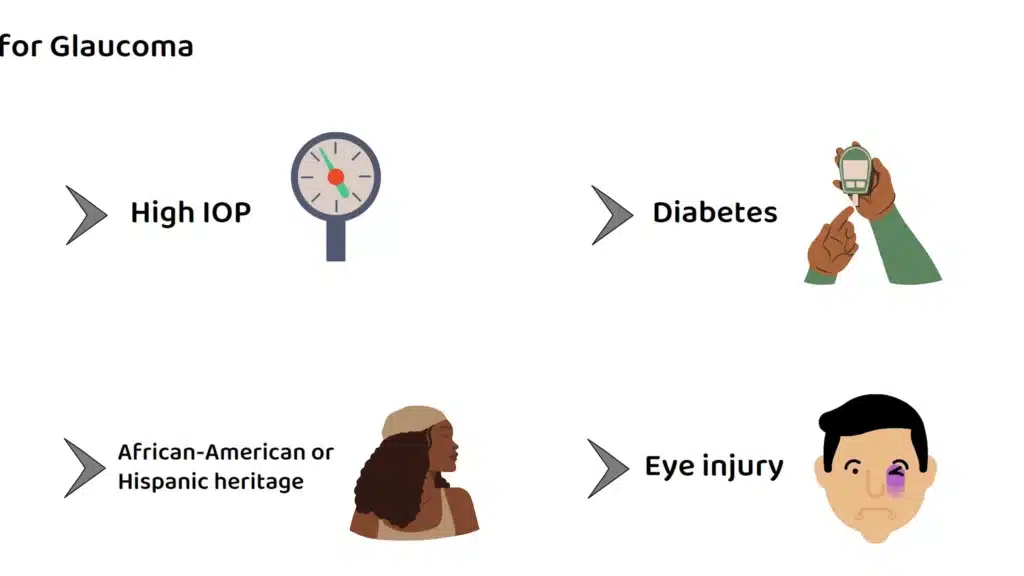
Certain factors significantly increase your risk of developing glaucoma. If any of these apply to you, discussing regular glaucoma screening with your eye care professional is essential:
- Age: Adults over 60 face substantially higher glaucoma risk
- Family History: Glaucoma tends to run in families, making genetics a significant risk factor
- Elevated Intraocular Pressure: Higher than normal eye pressure is a primary indicator
- Ethnicity: African-American and Hispanic individuals have higher glaucoma prevalence and severity
- Diabetes: This systemic condition increases glaucoma risk
- Previous Eye Injury: Trauma to the eye can lead to glaucoma development
Types of Glaucoma
Understanding the different types of glaucoma helps explain why early detection matters:
Primary Open-Angle Glaucoma (POAG)
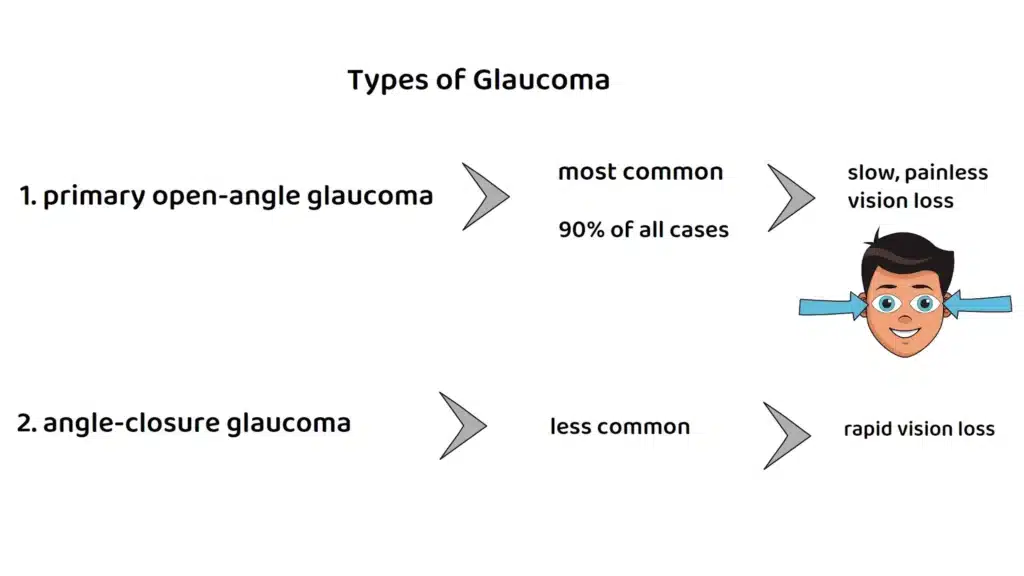
Primary open-angle glaucoma is the most common form, accounting for approximately 90% of all glaucoma cases. It typically develops gradually and painlessly, often beginning with peripheral (side) vision loss that many people don’t notice initially. This gradual progression is why POAG is particularly dangerous—significant optic nerve damage can occur before you realize your vision is being affected.
Angle-Closure Glaucoma
Angle-closure glaucoma is less common but potentially more serious. Unlike the gradual progression of POAG, angle-closure glaucoma can cause rapid vision loss if not treated promptly. This form requires immediate medical attention to prevent permanent blindness.
Glaucoma Diagnosis: Early Detection Saves Vision
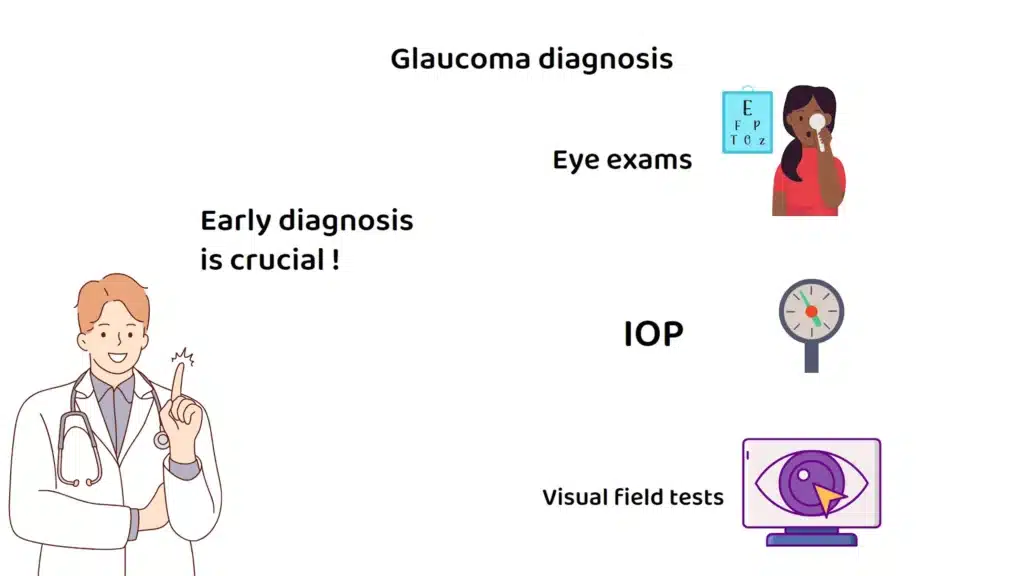
Early detection is the most effective tool for preventing glaucoma-related vision loss. Eye care professionals use several diagnostic methods to identify glaucoma:
- Comprehensive Eye Examination: A thorough evaluation of your overall eye health
- Intraocular Pressure Measurement: Testing to determine if your eye pressure is elevated
- Visual Field Testing: Assessing your complete field of vision to detect any loss patterns
- Optic Nerve Evaluation: Direct examination of the optic nerve for signs of damage
Regular comprehensive eye exams are especially important for people at increased risk. Many cases of early-stage glaucoma are discovered during routine eye exams before vision loss becomes noticeable to the patient.
Treatment Options: Managing Your Glaucoma
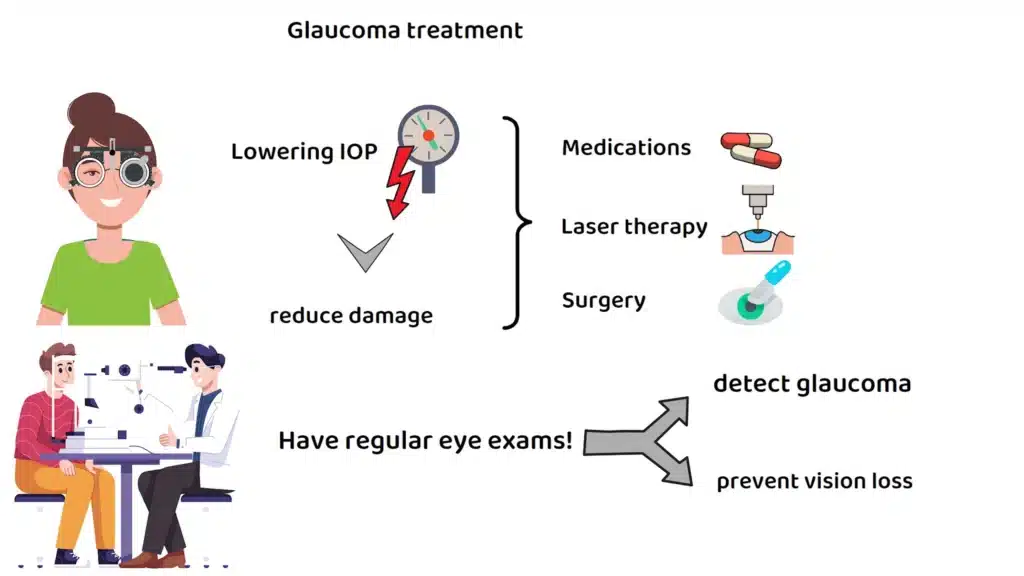
Glaucoma treatment focuses on lowering intraocular pressure to halt or slow optic nerve damage and prevent further vision loss. Treatment approaches include:
Medication
Eye drops are typically the first line of treatment. These medications work by either reducing fluid production in the eye or improving fluid drainage, thereby lowering IOP. Consistent daily use as prescribed is essential for effectiveness.
Laser Therapy
Laser procedures can improve fluid drainage from the eye, helping to lower IOP. These minimally invasive treatments can be effective for many patients and may delay or reduce the need for surgery.
Surgical Intervention
When medications and laser therapy are insufficient, surgical options can create new drainage pathways for eye fluid, more effectively reducing IOP. Surgery is often reserved for cases where other treatments haven’t adequately controlled eye pressure.
Combined Treatment Approaches
Many patients benefit from a combination of medications, laser therapy, and surgery tailored to their specific condition and response to treatment.
Protecting Your Vision: Prevention and Regular Care
While glaucoma cannot be prevented entirely, you can take steps to protect your vision:
- Schedule Regular Eye Exams: Adults over 60 and those with risk factors should have comprehensive eye exams annually or as recommended by their eye care professional
- Monitor Your Eye Pressure: If you’ve been diagnosed with elevated IOP, regular monitoring is crucial
- Take Medications as Prescribed: If prescribed glaucoma medications, consistent use is vital for controlling eye pressure
- Report Symptoms Immediately: While glaucoma usually has no early symptoms, any vision changes warrant immediate professional evaluation
- Maintain Overall Health: Managing conditions like diabetes and maintaining healthy blood pressure supports eye health
When to Seek Professional Help
You should consult a licensed eye care professional if you experience:
- Gradual loss of peripheral vision
- Blurred vision
- Halos around lights
- Eye pain or redness
- Any noticeable changes in your vision
Conclusion
Glaucoma is a serious eye disease that demands attention and regular professional monitoring. The good news is that with early detection and appropriate treatment, vision loss can be prevented or significantly slowed. Because glaucoma often progresses without noticeable symptoms, regular comprehensive eye exams—especially for those at increased risk—are your best defense against this “silent thief of sight.”
If you have concerns about your eye health or glaucoma risk, don’t delay in consulting a licensed eye care professional. Your vision is irreplaceable, and early intervention can preserve it for years to come.


