
Imagine waking up one morning with your eye feeling like there’s a sharp pain, almost like sand constantly rubbing against it. The light hurts, your vision is blurry, and you just can’t stop tearing up. What could be wrong? In today’s article, we’re diving into a rare but serious eye infection called Acanthamoeba keratitis. We’ll explore what it is, how to recognize it, what causes it, and most importantly, how to treat and prevent it. Read on because this tiny organism can cause big problems if you aren’t careful.
What is Acanthamoeba Keratitis?
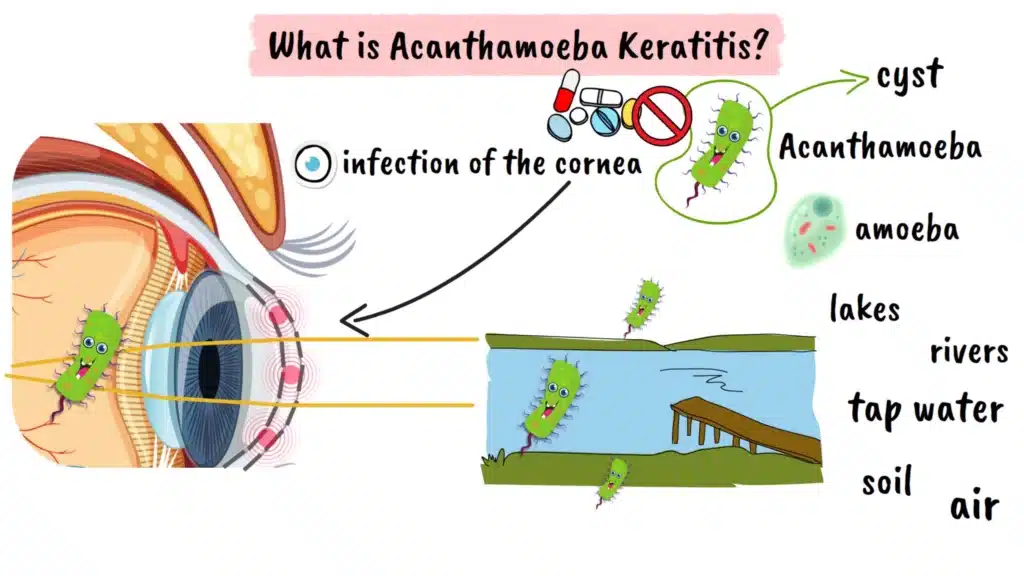
Let’s start with the basics. Acanthamoeba keratitis is an infection of the cornea. The cornea is the clear, dome-shaped window at the front of your eye that lets light in and helps you see sharply. When this part gets infected, things can get painful and your vision can quickly get worse.
So, what is Acanthamoeba? It’s a microscopic amoeba, basically a tiny living organism that lives pretty much everywhere: in lakes, rivers, tap water, soil, and even air. Usually, these amoebas don’t harm us. But if one finds a way inside your eye, it can cause a severe infection. What makes it especially tricky to fight is that it can go into a tough, protective shell, called a cyst. Think of it like a tiny knight putting on armor that shields it from medicines and the immune system. This is why Acanthamoeba keratitis is so hard to cure.
Why the Pain is So Intense
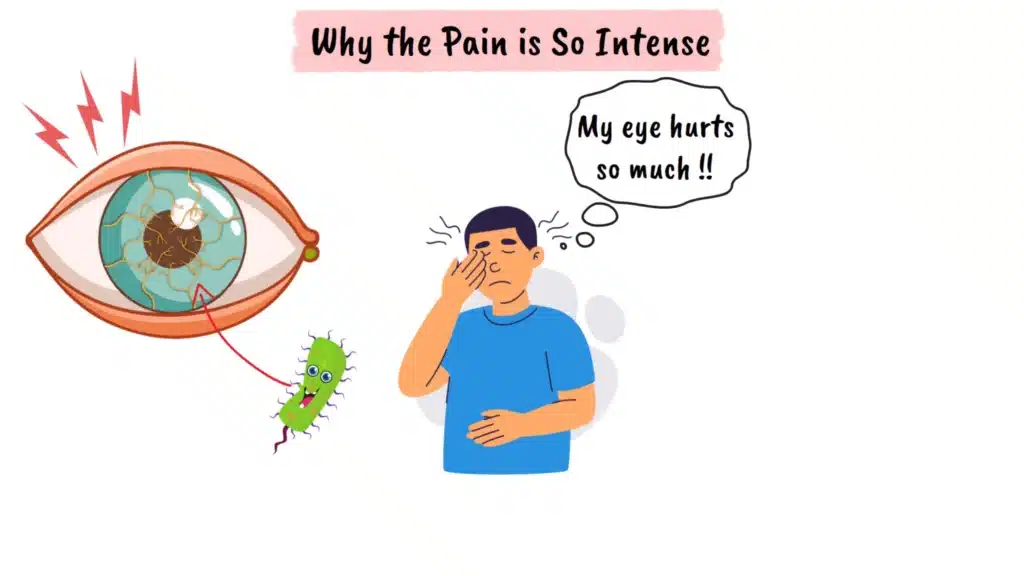
One thing that really stands out about this infection is the level of pain. People often say the pain feels way worse than what doctors can see when they check the eye. That’s because the cornea is packed with nerve endings, making it extremely sensitive. Even a small infection here can cause intense discomfort that disrupts your daily life.
Recognizing the Symptoms
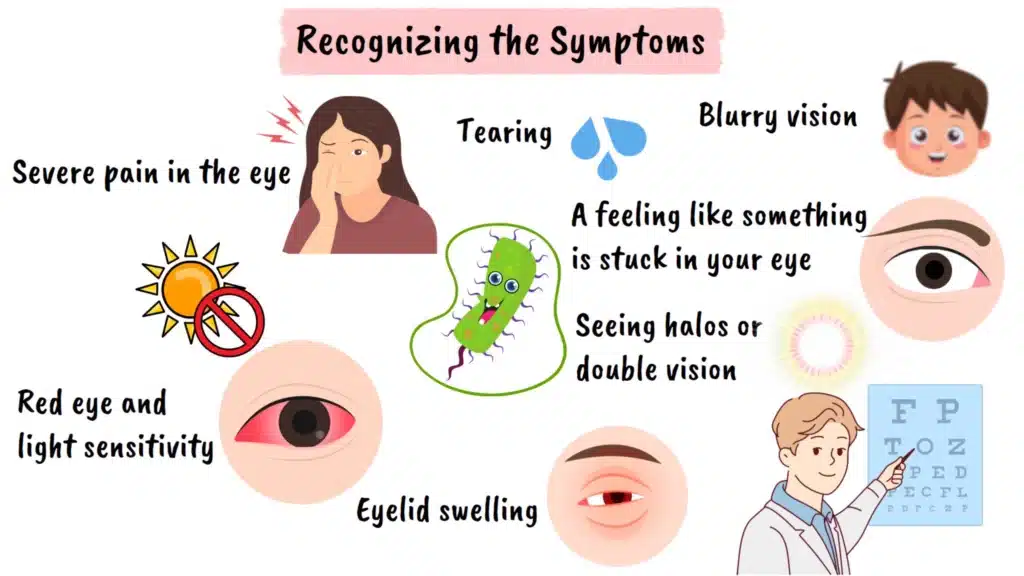
Now, how do you know if you might have Acanthamoeba keratitis? The first red flag is severe pain in the eye, pain that doesn’t go away and feels much worse than expected. Along with pain, the eye often becomes red and extremely sensitive to light. You might notice blurry or worsening vision, constant tearing, and a feeling like something is stuck in your eye. Eyelid swelling and seeing halos or double vision can also happen as the infection worsens. Because these symptoms can resemble other eye conditions, it’s crucial to seek an eye doctor’s help right away if you feel anything like this.
Who is at Risk?
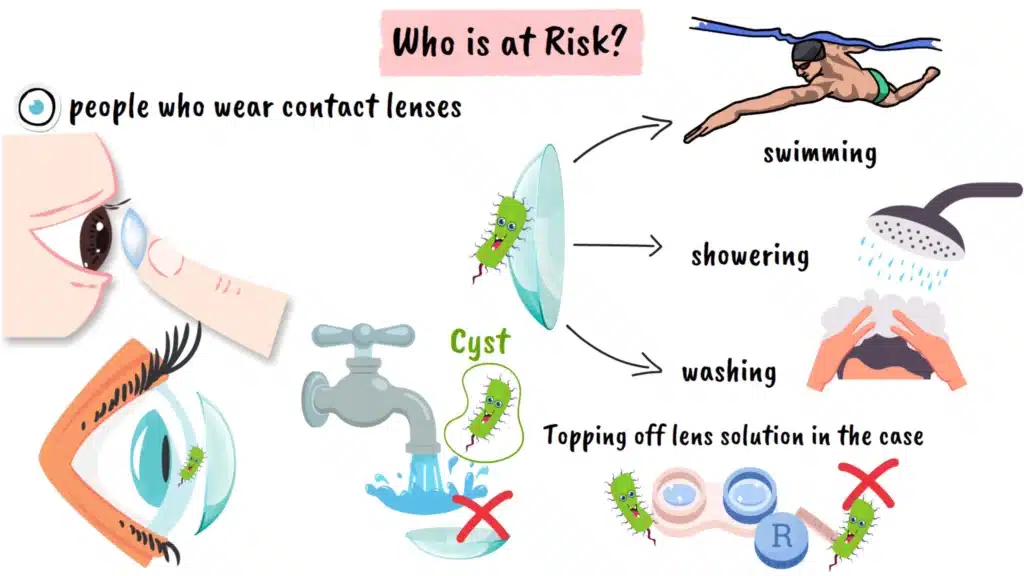
Who is most at risk? The biggest group affected are people who wear contact lenses. Wearing contacts can create tiny scratches on the cornea and form a hiding spot for the Acanthamoeba amoebas. The risk shoots up if lenses are exposed to water during swimming, showering, or washing. Even tap water, which many people think is safe, can carry these tiny parasites because the cyst form is resistant to normal cleaning methods.
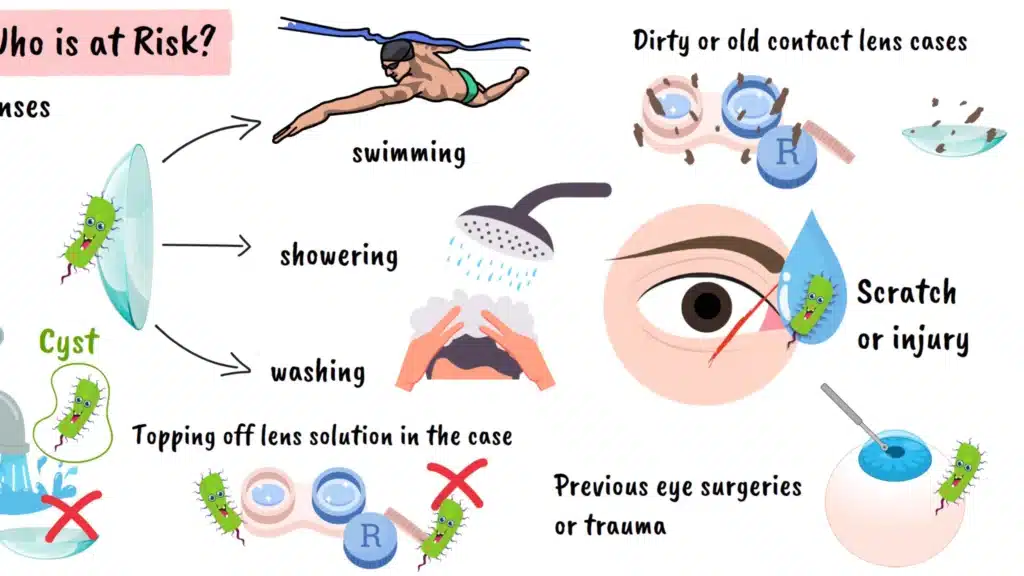
A common mistake is using tap water to rinse or store contact lenses instead of safe, sterile solutions. Another risky habit is topping off lens solution in the case instead of fully replacing it with fresh liquid. This reduces the cleaning power and can let harmful germs multiply. Dirty or old contact lens cases and handling lenses with wet or unclean hands add to the risk.
It’s important to know that non-contact lens wearers are not immune. If you get a scratch or injury to your eye and then expose it to contaminated water or soil, you could also get infected. Previous eye surgeries or trauma can create vulnerable spots where the amoeba can sneak in.
Treatment Challenges
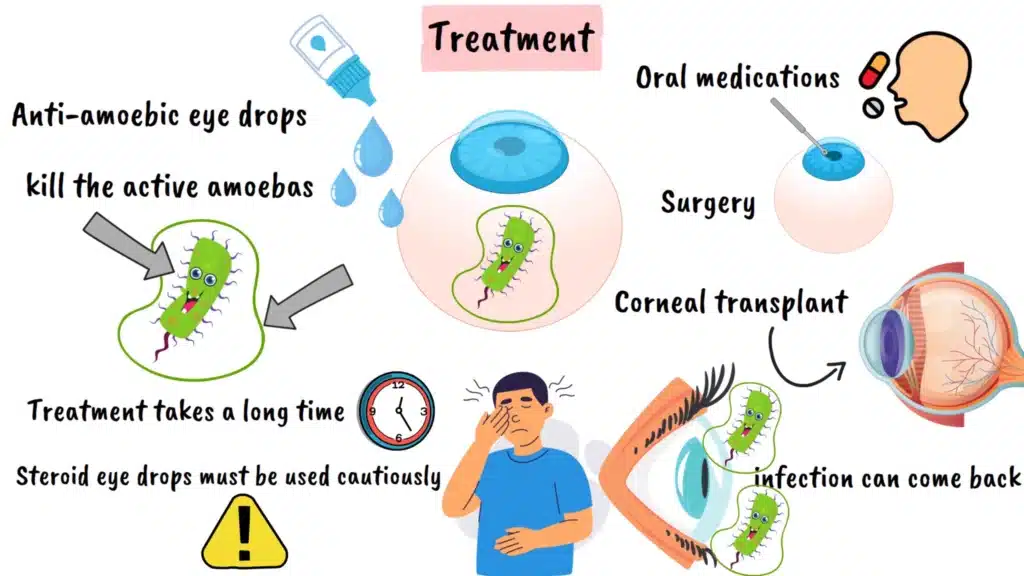
Treating Acanthamoeba keratitis is definitely not simple or quick. It demands special anti-amoebic eye drops that need to be applied very frequently, sometimes hourly, for weeks or even months. These medications are designed to kill the active amoebas and work somewhat against the cysts as well. Because of the cyst’s protective armor, treatment takes a long time to make sure the infection is completely gone.
Pain relief is also key during treatment because the discomfort can be intense. However, treatments like steroid eye drops, which reduce inflammation, must be used cautiously because they might suppress your immune defenses and worsen the infection.
In tough cases, doctors may add oral medications or even surgery to remove infected parts of the cornea if the medication alone isn’t enough. Despite the best care, some people may need corneal transplants or face permanent vision loss.
The most worrying thing is that this infection can come back even after treatment if cysts survive and wake up later. That’s why close follow-up with your eye specialist is essential until your eye is fully healed.
Prevention is Key
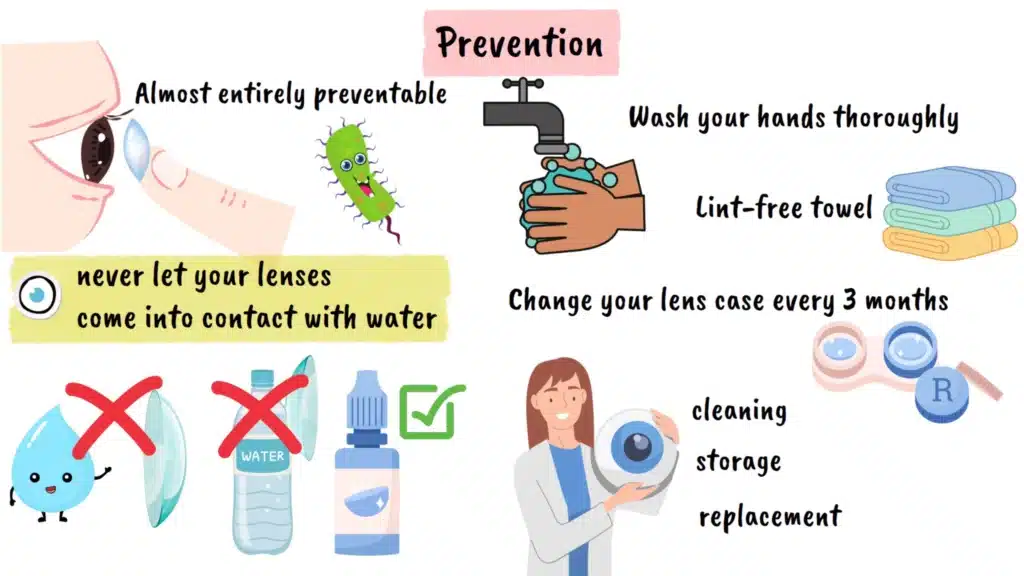
The good news? Acanthamoeba keratitis is almost entirely preventable, especially for contact lens wearers. The number one rule is to never let your lenses come into contact with water. That means taking lenses out before swimming, showering, or using a hot tub. Never rinse or store your lenses in tap or bottled water. Only use sterile contact lens solution.
Wash your hands thoroughly before touching your lenses and dry them with a lint-free towel. Change your lens case every three months or sooner if it looks damaged. Always follow your eye care professional’s instructions on lens cleaning, storage, and replacement schedules.
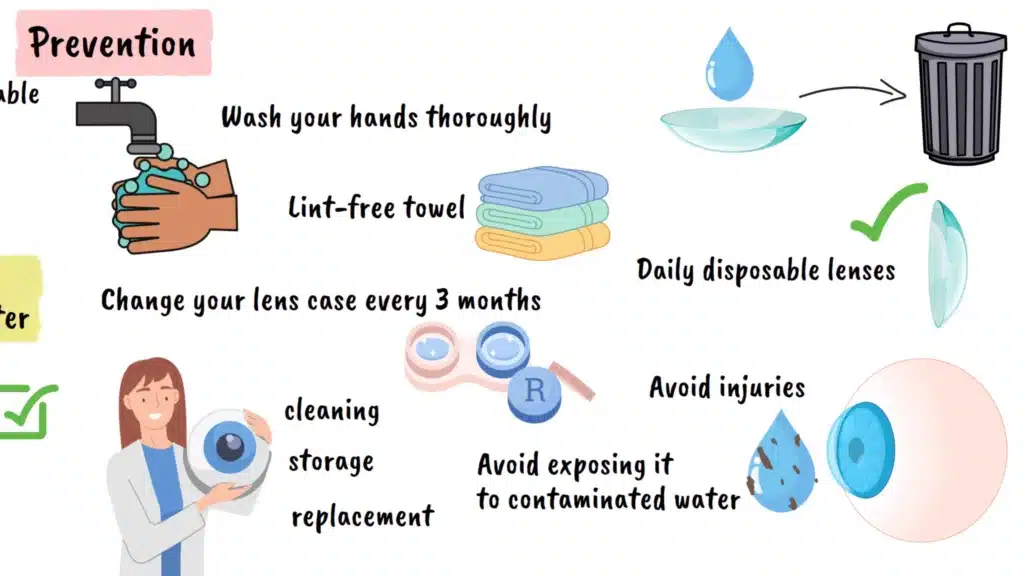
If you’re worried that your lenses or case may have been exposed to water, throw them away immediately and get new ones. Daily disposable lenses are a great choice to reduce these risks because you use a fresh pair every day, eliminating storage worries.
Even if you don’t wear contact lenses, protect your eyes. Avoid injuries and if your eye does get scratched, avoid exposing it to potentially contaminated water sources until it’s healed. See your doctor promptly for any pain or changes in vision.
Conclusion
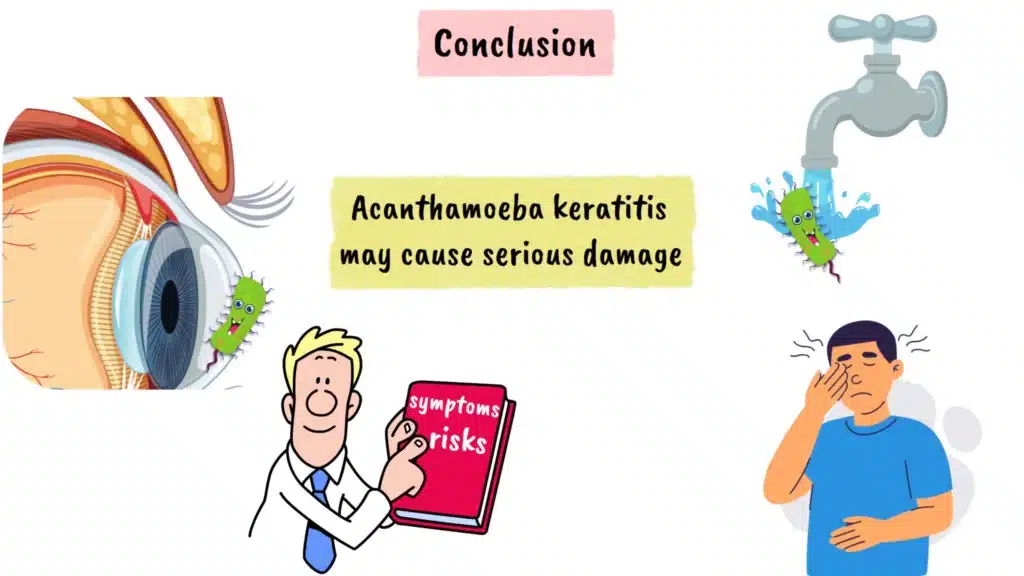
In short, Acanthamoeba keratitis may be rare, but the damage it can cause is serious. A tiny parasite from everyday water sources can lead to severe pain and vision loss, especially when lens hygiene is not perfect. Knowing the symptoms and risks and following simple but strict prevention habits can save your eyes and vision.
