
Asteroid hyalosis is a degenerative condition of the eye that involves small white calcium deposits in the vitreous humor. The vitreous humor is the clear gel-like substance that fills the large space between your eye’s lens at the front and the retina at the back of your eye. This gel takes up about eighty percent of your eye’s volume and helps maintain your eye’s round shape while keeping everything in proper position.
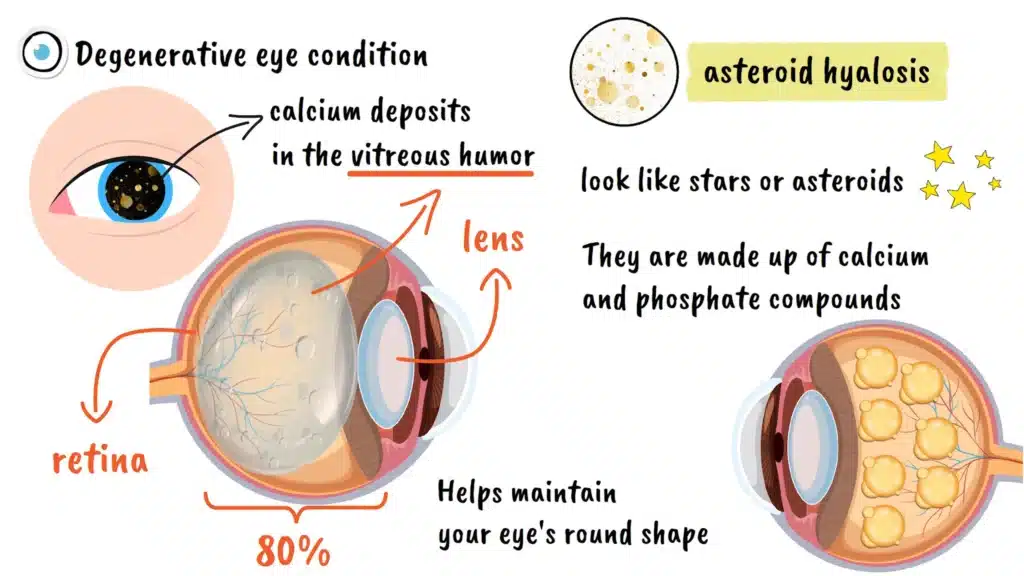
The name asteroid hyalosis comes from the appearance these deposits create when viewed through special eye examination equipment. The small white particles look like stars or asteroids shining in the night sky, which is how this condition got its unique name. These deposits are also called asteroid bodies and they are made up of calcium and phosphate compounds, similar to the minerals found in kidney stones or gallstones.
How Common is Asteroid Hyalosis?
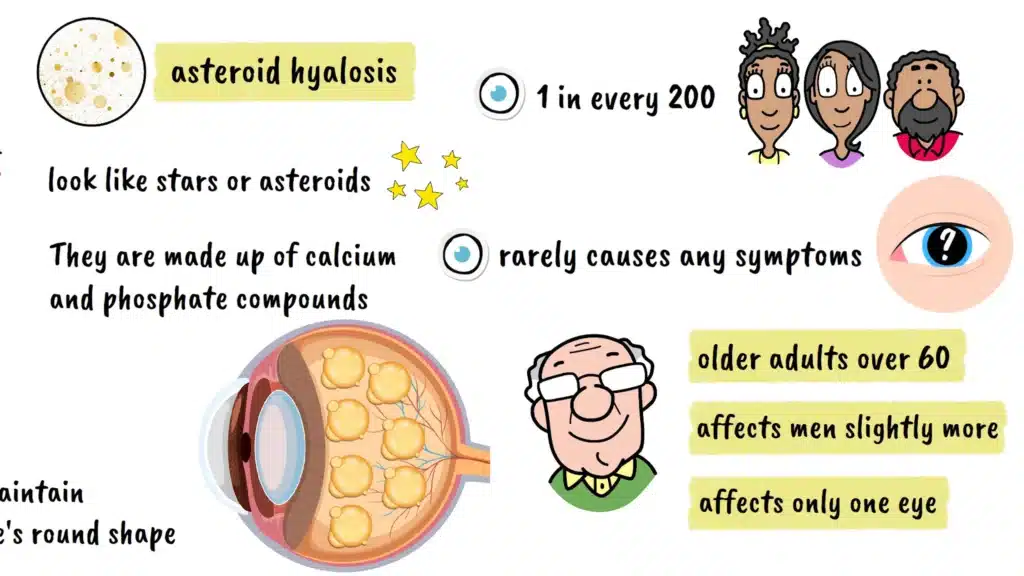
Asteroid hyalosis is actually quite common, affecting approximately one in every two hundred people. However, most people who have this condition don’t even know they have it because it rarely causes any noticeable symptoms. The condition is much more common in older adults, particularly those over sixty years of age, and it affects men slightly more often than women. In most cases, asteroid hyalosis affects only one eye rather than both eyes.
Asteroid Hyalosis Symptoms
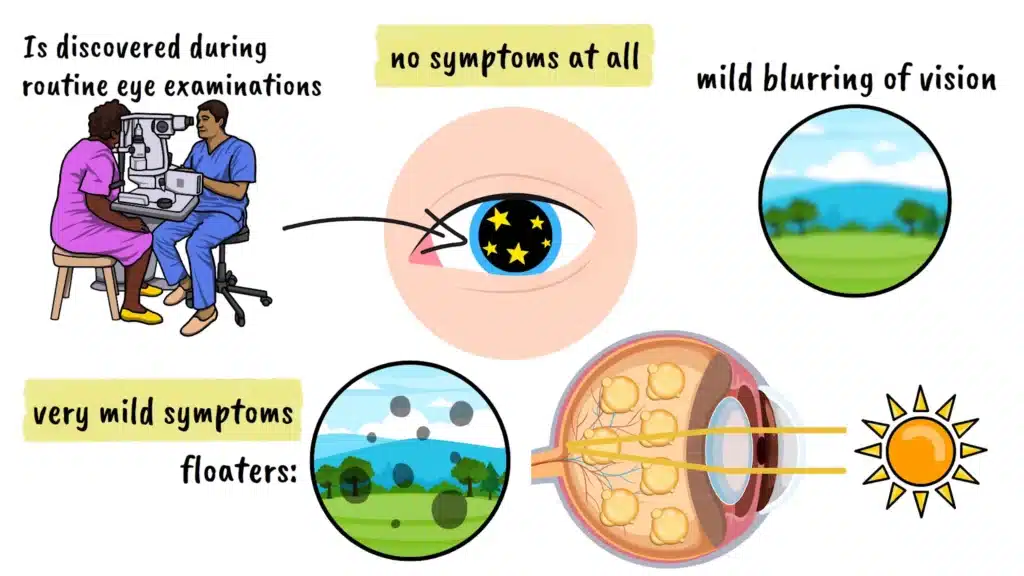
The vast majority of people with asteroid hyalosis experience no symptoms at all. This is why the condition is often discovered accidentally during routine eye examinations when your eye doctor notices the characteristic sparkling particles while looking into your eyes.
When symptoms do occur, they are typically very mild. Some people might notice small spots or floaters in their vision. These floaters are actually the shadows cast by the asteroid bodies as light passes through the vitreous humor. These floaters are usually most noticeable in bright lighting conditions.
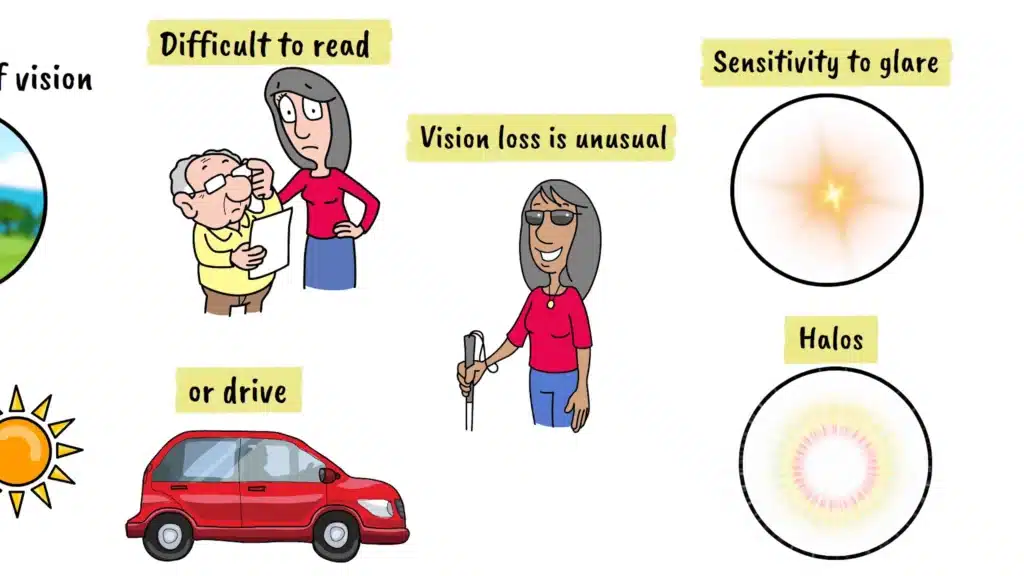
Occasionally, people with asteroid hyalosis might experience mild blurring of vision, especially if there is a significant accumulation of asteroid bodies in the vitreous. In very rare cases, some individuals might find that activities requiring sharp vision, such as reading small print or driving at night, become slightly more challenging. However, it’s important to understand that dramatic vision loss from asteroid hyalosis alone is extremely unusual.
Some people might also notice increased sensitivity to glare or see halos around bright lights. These visual disturbances are generally mild and don’t significantly impact daily activities for most people with the condition.
What Causes Asteroid Hyalosis?
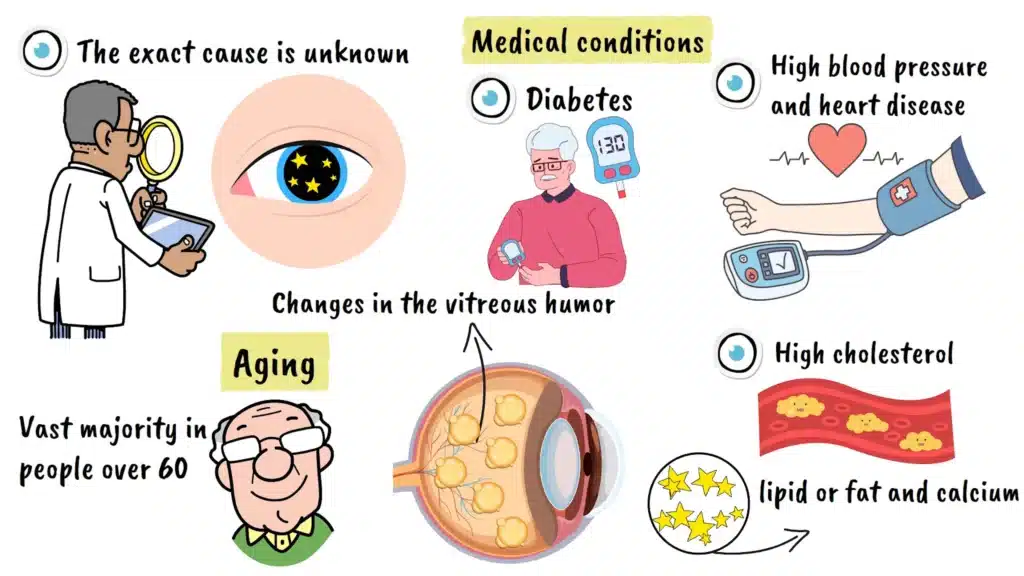
The exact cause of asteroid hyalosis remains unknown to medical researchers. However, several factors have been associated with the development of this condition.
The most significant factor is aging. Asteroid hyalosis is primarily an age-related condition, with the vast majority of cases occurring in people over sixty years old. As we age, changes occur in the vitreous humor that may contribute to the formation of these calcium and phosphate deposits.
Some medical conditions have been associated with a higher likelihood of developing asteroid hyalosis. Diabetes has been linked to the condition, though the exact relationship is not fully understood. People with high blood pressure and heart disease also seem to develop asteroid hyalosis more frequently than the general population.
High cholesterol levels have also been associated with asteroid hyalosis, which makes sense given that the asteroid bodies contain lipid or fat components along with calcium.
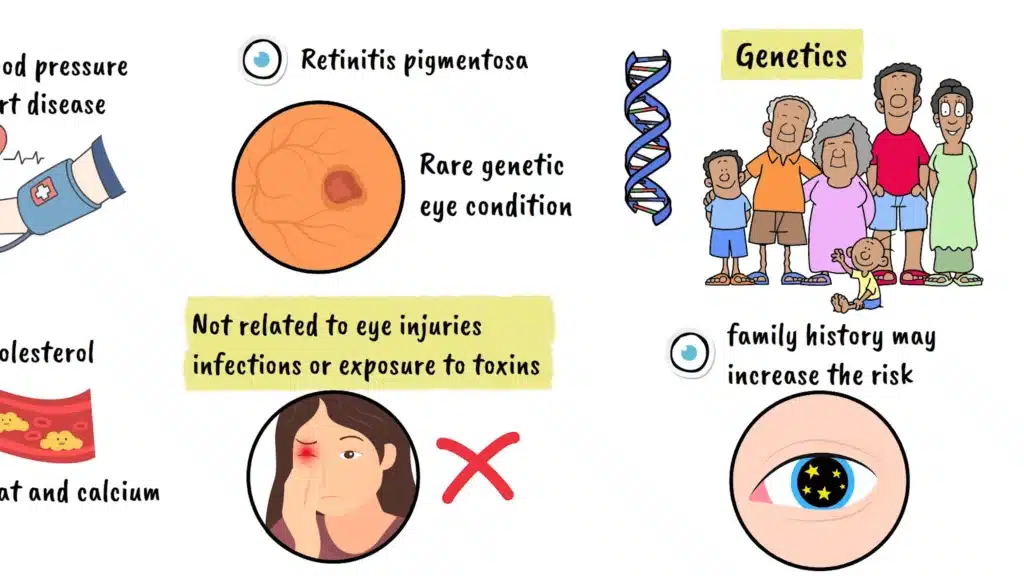
Interestingly, some researchers have found that people with retinitis pigmentosa, a rare genetic eye condition, have a higher rate of asteroid hyalosis than the general population.
Unlike some other eye conditions, asteroid hyalosis doesn’t appear to be related to eye injuries, infections, or exposure to environmental toxins.
There’s also a genetic component to consider. Having a family history of asteroid hyalosis may increase your risk of developing the condition, though it’s not directly inherited like some other eye diseases.
Asteroid Hyalosis Treatment
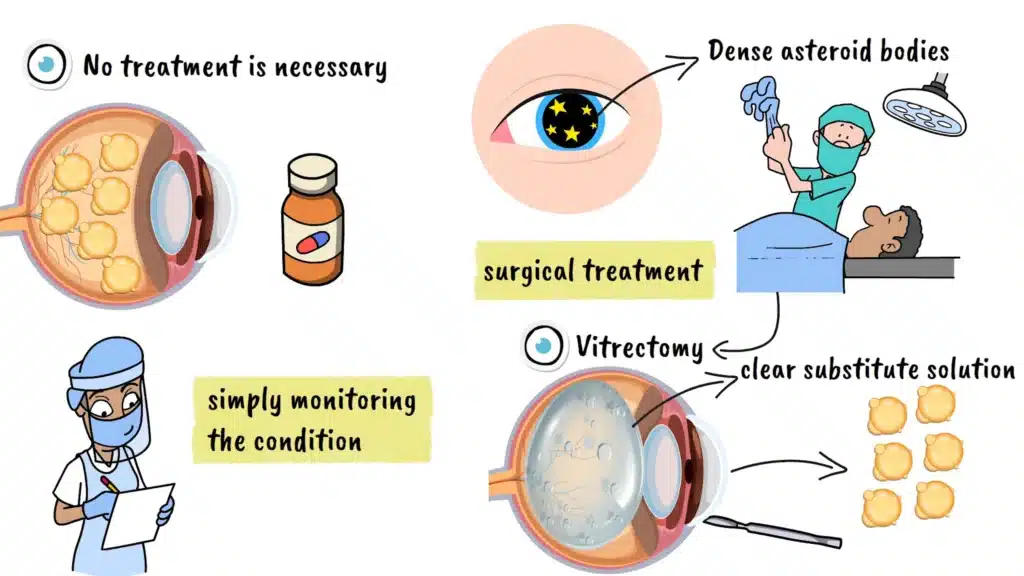
The most important thing to understand about asteroid hyalosis treatment is that in most cases, no treatment is necessary. Since the condition rarely causes symptoms or vision problems, doctors typically recommend simply monitoring the condition during regular eye examinations.
However, there are specific situations where treatment might be considered. If the asteroid bodies become so dense that they significantly interfere with vision or make it difficult for your eye doctor to examine the retina properly, surgical treatment might be recommended.
The primary treatment for asteroid hyalosis when intervention is needed is a surgical procedure called vitrectomy. During a vitrectomy, the eye surgeon removes the cloudy vitreous humor containing the asteroid bodies and replaces it with a clear substitute solution.
For the vast majority of people with asteroid hyalosis, the condition remains stable over time and doesn’t progress to cause vision problems. Regular eye examinations are important to monitor the condition and ensure that no other eye problems develop.
When to see a doctor
Asteroid hyalosis is a benign eye condition that rarely requires intervention. If you suspect you may have asteroid hyalosis or are concerned about floaters or other vision changes, schedule an appointment with your eye doctor for a comprehensive eye examination.
