
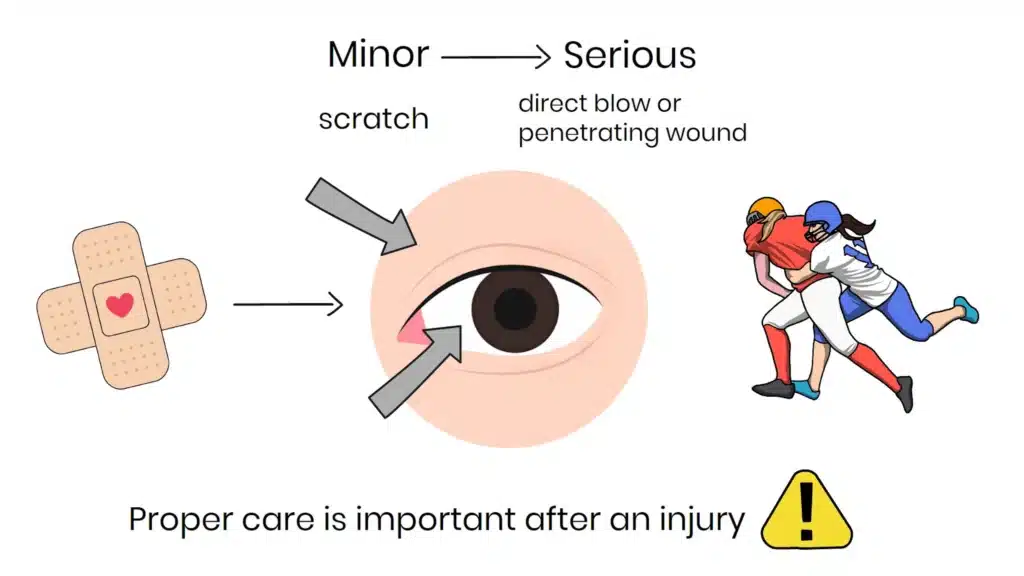
Eye trauma is any kind of injury to your eye or the area around your eye. This can range from something minor like a small scratch to something serious like a direct blow or penetrating wound. The eye is a delicate organ, and injuries can happen in many ways during sports, accidents, or everyday activities. When you experience eye trauma, your body immediately starts a repair process to heal the damage. Understanding how this works helps you know why proper care is so important after an injury.
Understanding Eye Anatomy
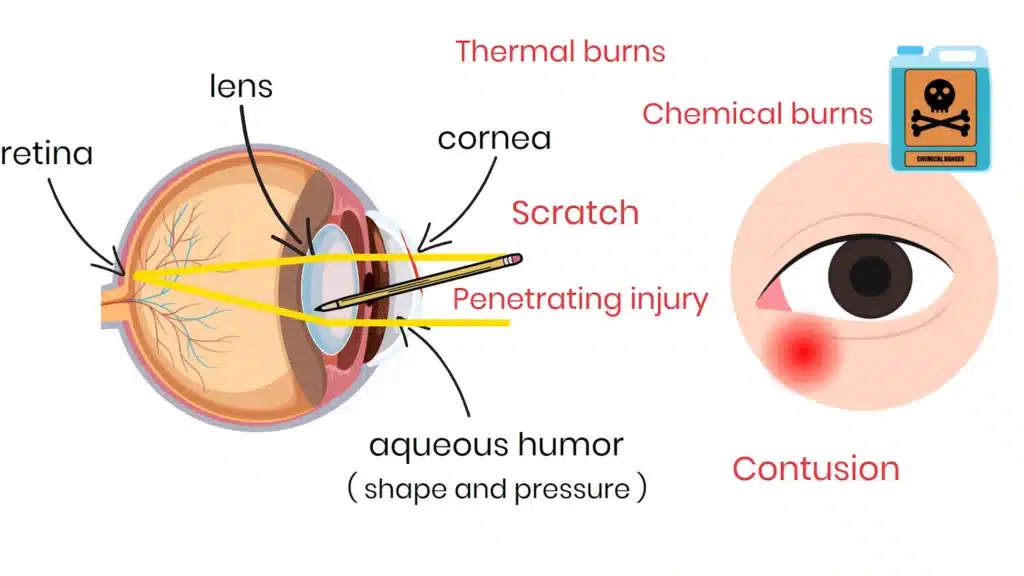
The surface of your eye is covered by a clear layer called the cornea, which is like the windshield of your eye. The cornea is the first thing that protects your eye from the outside world. Just beneath the cornea, there is a clear gel called the aqueous humor that maintains the shape and pressure of your eye. Behind that is the lens, which focuses light, and further back is the retina, which is the light-sensitive tissue at the back of your eye.
Types of Eye Injuries
Different types of trauma can affect different parts of your eye. A scratch or abrasion happens when something rubs or scrapes the cornea. This is usually painful but often heals quickly, sometimes within a few days. A contusion is a bruise caused by blunt force, like being hit by a ball. This can cause swelling and bleeding inside the eye. A penetrating injury is when something sharp actually pierces through the eye. This is a medical emergency and requires immediate professional care. Chemical burns happen when harmful substances get into the eye. Thermal burns occur from heat exposure.
How Your Eye Heals After Trauma
Your eye has an amazing ability to repair itself. When the cornea gets scratched, the cells at the edge of the wound start to move and multiply to fill in the damaged area. This process is called epithelial regeneration.
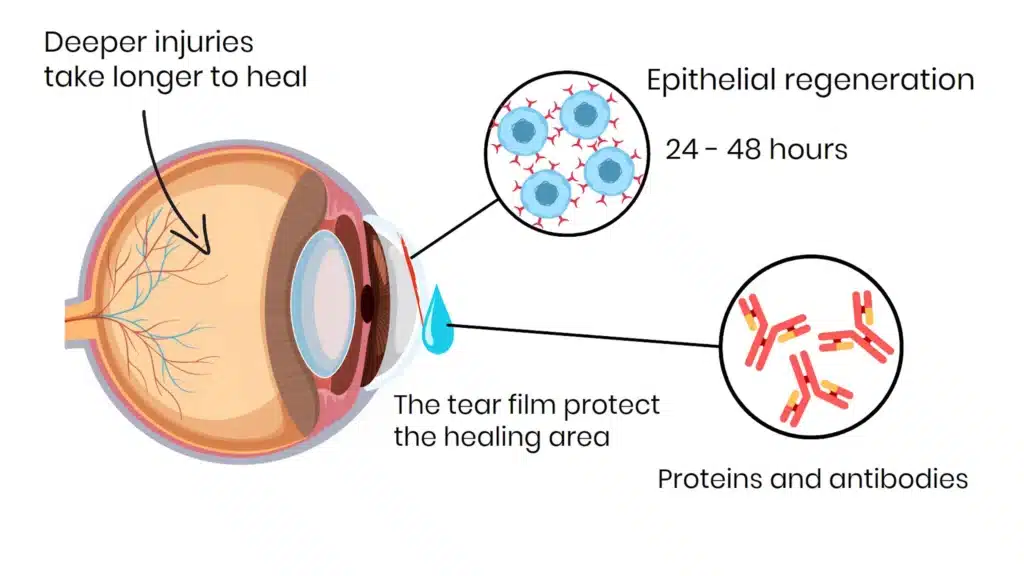
For minor corneal scratches, healing can happen within 24 to 48 hours. Your tear film, which is the layer of moisture covering your eye, helps protect the healing area. Tears contain special proteins and antibodies that prevent infection during healing. For deeper injuries that go beyond the cornea, healing takes longer and can be more complicated.
The eye inflammation process starts right after injury. Swelling occurs as your body sends immune cells to the area to protect against infection. This swelling, called edema, usually gets better within a few weeks as the body reabsorbs the fluid. If there is bleeding inside the eye, your body gradually reabsorbs the blood through a process that takes several weeks or even months.
Treatment Options for Eye Trauma
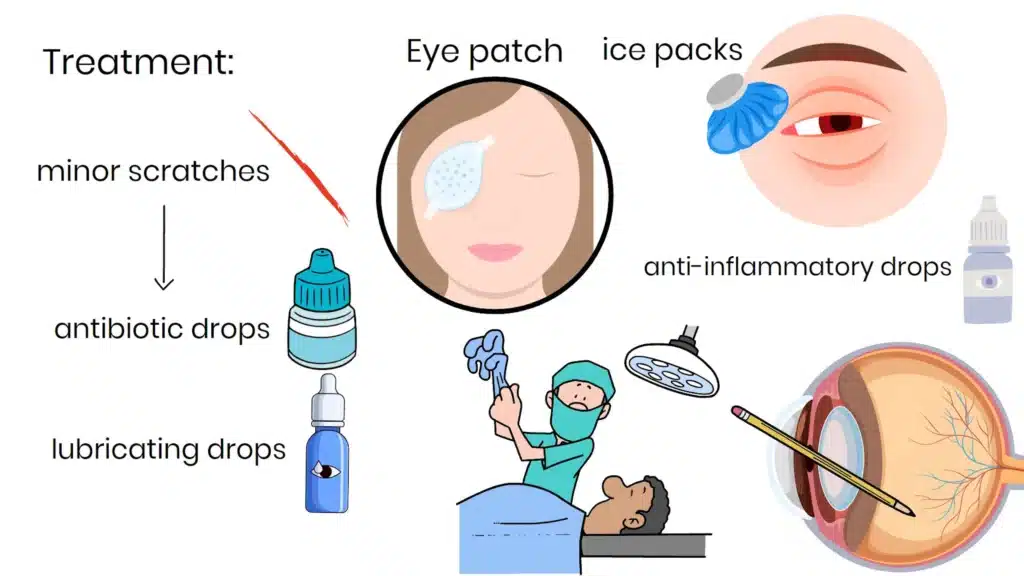
Treatment for eye trauma depends on the type and severity of the injury. For minor scratches and abrasions, your doctor might prescribe antibiotic drops to prevent infection and lubricating drops to help with healing. You may need to wear an eye patch to protect the area while it heals. For contusions with swelling, ice packs and anti-inflammatory drops can help reduce the swelling. Serious penetrating injuries require surgical repair to close the wound and restore the eye structures. After any eye injury, avoid touching or rubbing your eye, keep it clean, and use prescribed medications as directed. Protect your eyes from bright light while healing, as injured eyes are more sensitive.
If you experience worsening pain, increased swelling, or vision changes, seek medical attention immediately. Your eye’s healing ability is remarkable, but it needs proper care and protection to heal correctly. Prevention is always better than treatment, so wear protective eyewear during sports and activities that risk injury.
Key Takeaways
Your eye’s healing ability is remarkable, but it needs proper care and protection to heal correctly. Prevention is always better than treatment, so wear protective eyewear during sports and activities that risk injury.
