
Ocular melanoma is the most common type of eye cancer in adults. This aggressive cancer develops in the melanocytes, which are basically the cells that create color or pigment in your eye, just like they do in your skin and hair. Think of these cells as tiny paint factories inside your eye.
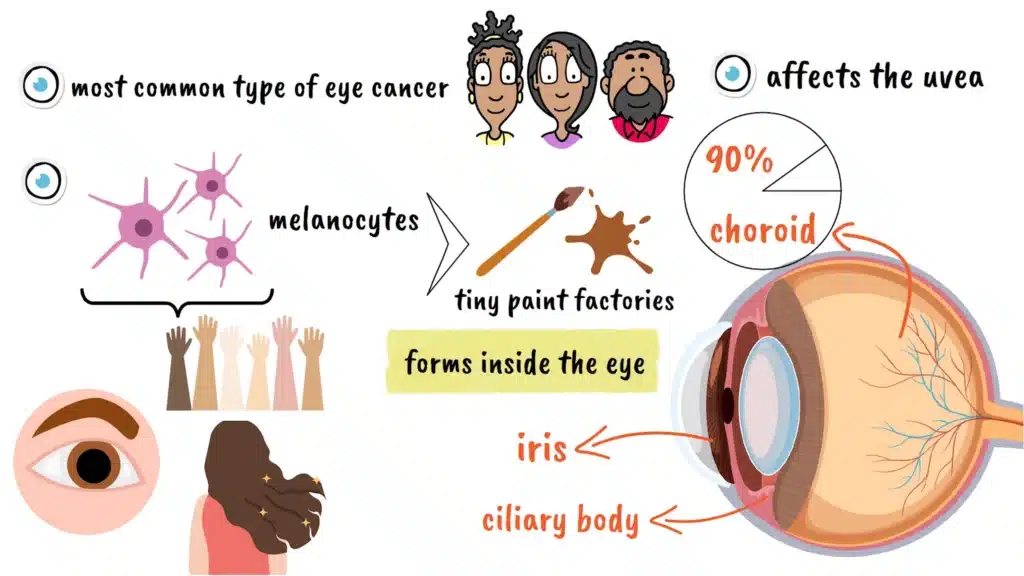
Unlike skin cancer that you can see on your body, ocular melanoma forms inside the eye where you cannot spot it in a mirror. The cancer most commonly affects the uvea, which is simply the middle layer of your eye that includes three parts: the iris which is the colored part you see, the ciliary body which helps your eye focus, and the choroid which is like a network of blood vessels that feed your eye. About ninety percent of eye melanomas develop in the choroid, that blood vessel layer at the back of your eye.
Why Ocular Melanoma Is Particularly Concerning
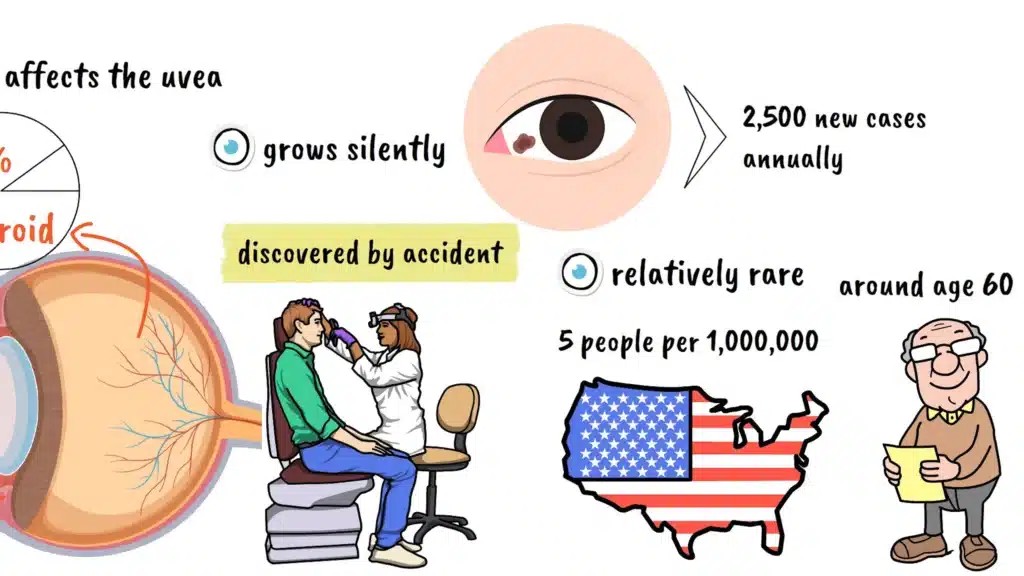
What makes ocular melanoma particularly scary is that it often grows silently without causing any obvious warning signs. Many cases are discovered by accident during regular eye checkups, which makes those yearly eye exams extremely important. The cancer is relatively rare, affecting approximately five people per million each year in the United States, with around 2,500 new cases diagnosed annually. It mostly affects older adults, with the average person being diagnosed around age sixty.
Common Symptoms of Ocular Melanoma
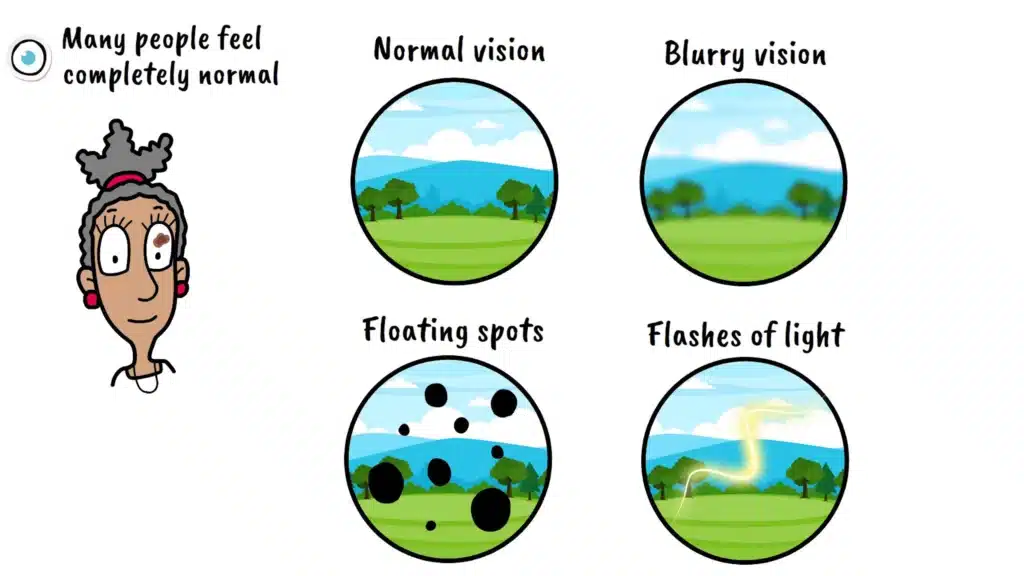
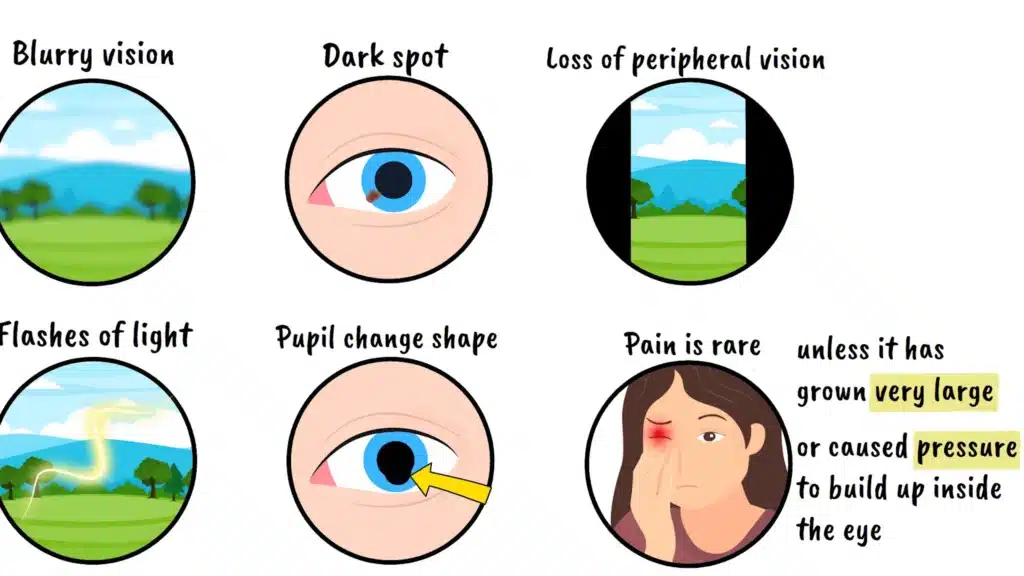
The tricky thing about this cancer is that many people feel completely normal, especially when it first starts growing. When warning signs do show up, they may include blurry vision or things looking warped in one eye. You might start seeing tiny floating spots or sudden flashes of light in your vision. Some people notice a growing dark spot on the colored part of their eye, or their pupil, that black circle in the center, might change shape. You could lose your side vision, meaning you can see straight ahead but not what’s happening to your left or right.
Interestingly, pain is actually quite rare with eye cancer unless it has grown very large or caused pressure to build up inside the eye.
What Causes Ocular Melanoma?
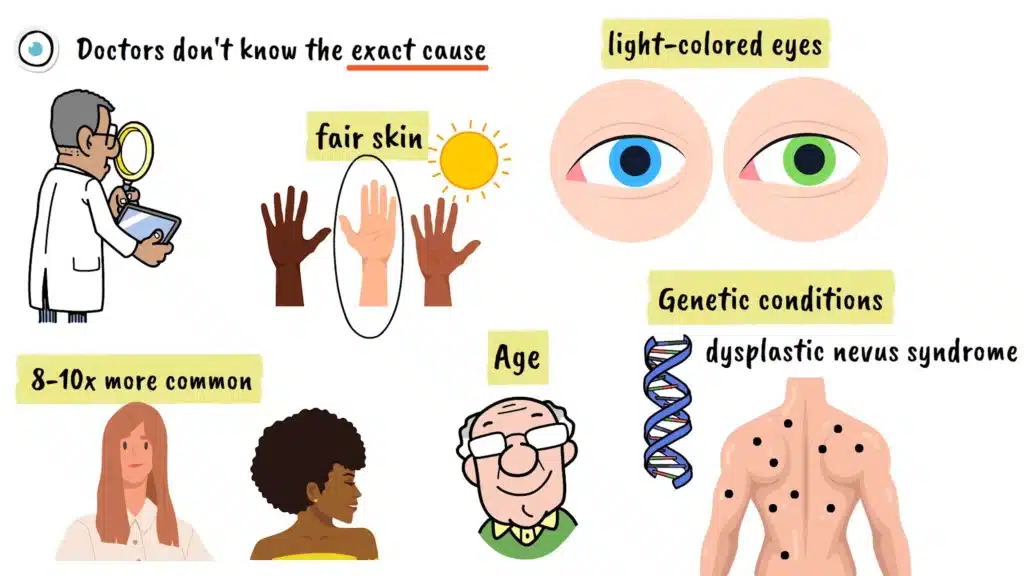
Doctors still don’t know the exact cause, but they have identified several things that make someone more likely to get it. Having light-colored eyes, especially blue or green eyes, significantly increases your risk compared to people with brown eyes. People with fair skin who sunburn easily are at higher risk, and this cancer is about eight to ten times more common in people of European background compared to those of African background. Getting older is a major risk factor, with your chances going up as you age.
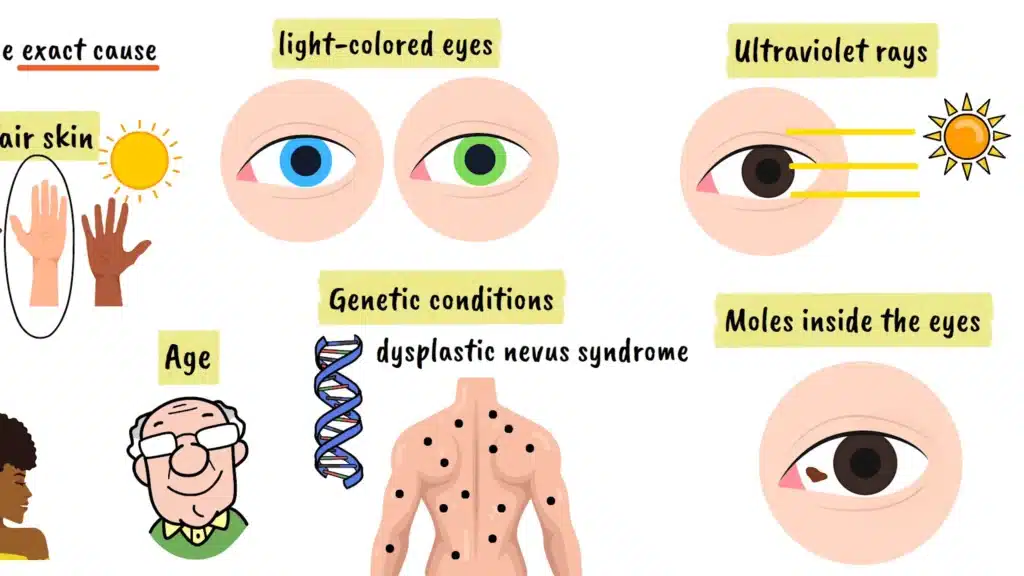
Certain genetic conditions that run in families also increase risk, including something called dysplastic nevus syndrome, which basically means having lots of unusual looking moles on your skin.
Being exposed to ultraviolet rays, the same ones that cause sunburn, might play a role, though scientists aren’t as certain about this connection as they are with skin cancer. Some people are born with pigmented spots or moles inside their eyes that might increase cancer risk.
Treatment Options for Ocular Melanoma
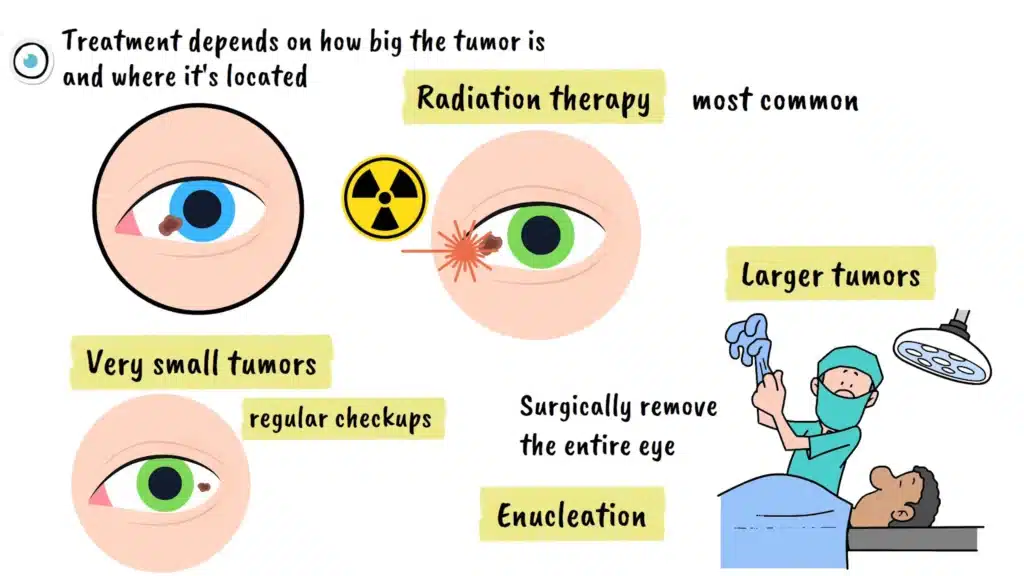
Treatment for ocular melanoma depends on how big the tumor is and exactly where it’s located in the eye. For very small tumors, doctors might recommend just watching it carefully with regular checkups. Radiation therapy, which uses high-energy rays to kill cancer cells, is the most common treatment. For larger tumors or when other treatments won’t work, doctors may need to surgically remove the entire eye, called enucleation. When this happens, patients can get a very realistic-looking artificial eye that matches their other eye.
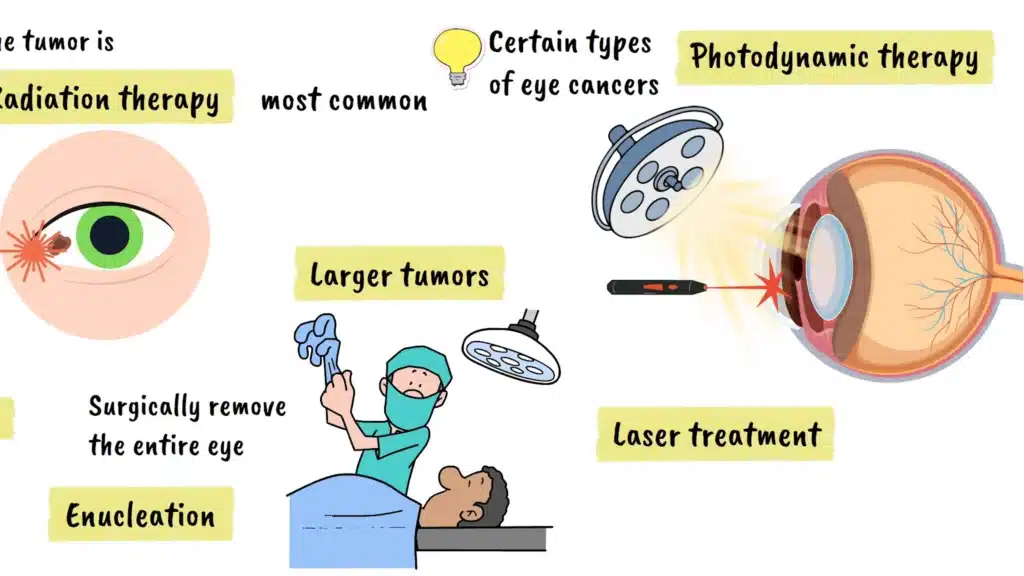
Newer treatments include photodynamic therapy, which uses special light-activated drugs, and laser treatments designed specifically for certain types of eye cancers.
The Importance of Early Detection
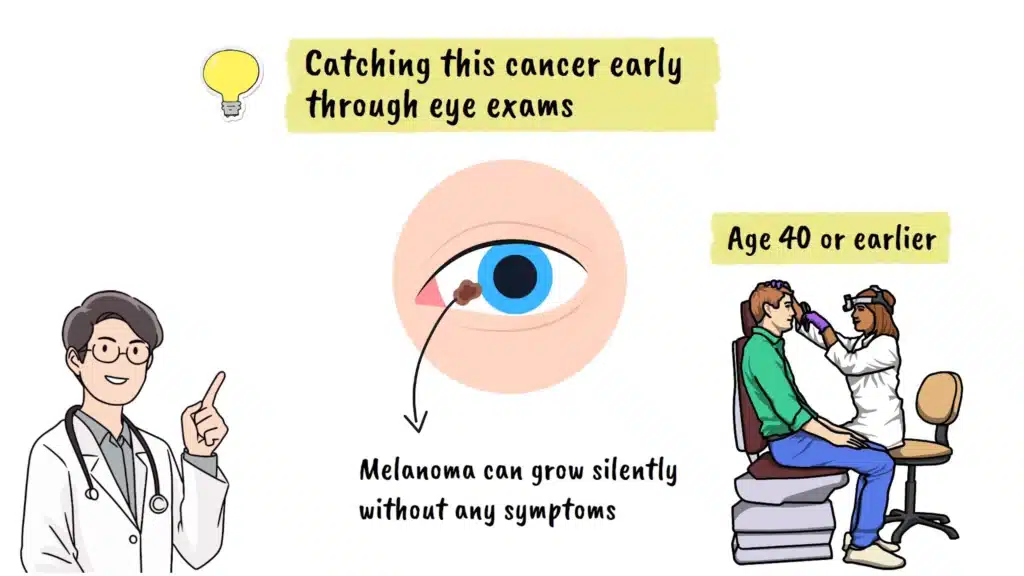
The most important thing for better outcomes is catching this cancer early through regular comprehensive eye exams. Eye doctors recommend getting your eyes checked starting at age forty if you don’t have special risk factors, and earlier if you do. Because this cancer can grow completely silently without any symptoms, those routine eye checkups could literally save your life.
