
Is your child’s vision at risk? Pediatric cataracts are a serious eye condition that can develop in newborns and young children, potentially affecting their visual development and quality of life. Understanding what pediatric cataracts are, their causes, warning signs, and treatment options is essential for parents and caregivers who want to protect their children’s eyesight. This comprehensive guide covers everything you need to know about pediatric cataracts.
What Are Pediatric Cataracts?
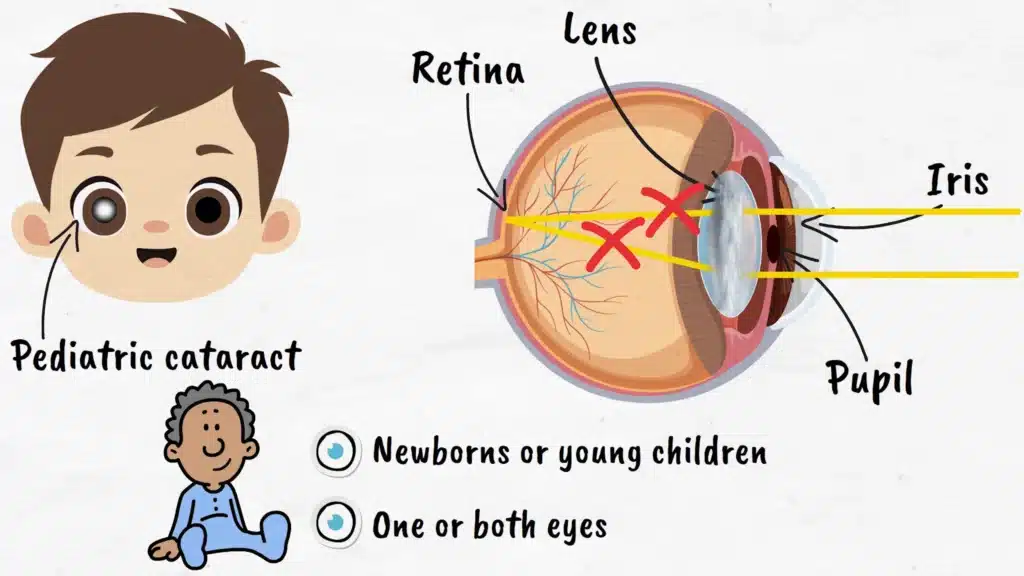
A pediatric cataract is a clouding of the lens in a child’s eye. The lens is a clear structure located inside the eye that works like a camera lens. It sits behind the iris, which is the colored part of your eye, and the pupil, which is the black hole in the center of the iris. The job of this lens is to focus light onto the retina at the back of the eye so your child can see clearly. When the lens becomes cloudy instead of clear, it blocks light from passing through properly, and this causes vision problems for the child.
Unlike adult cataracts that usually develop with age, pediatric cataracts can appear in newborns or young children for different reasons. These cataracts can affect one eye or both eyes. Some are present at birth while others develop later during childhood. This is why regular eye examinations for children are so important.
Causes of Pediatric Cataracts
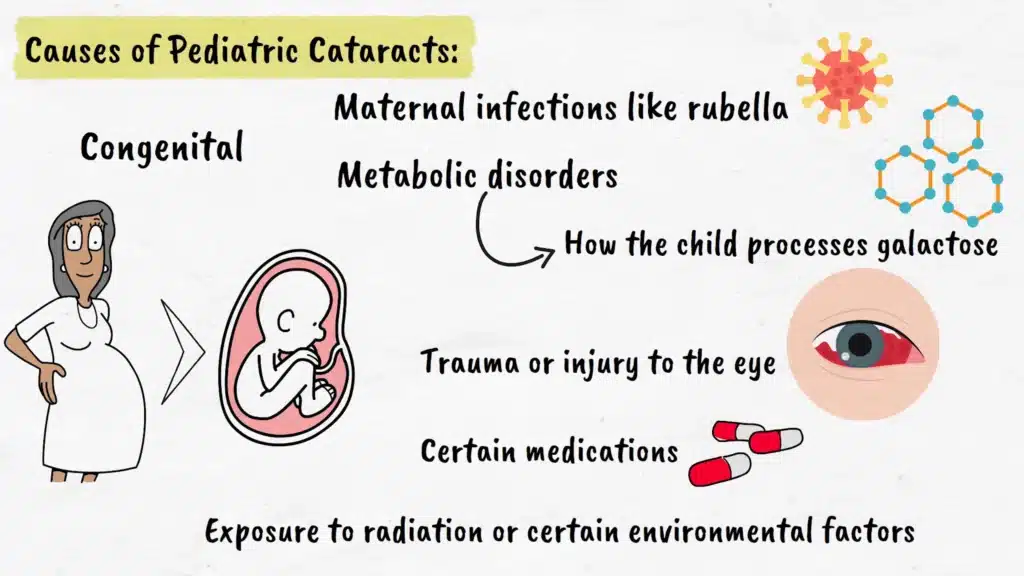
Understanding the causes of pediatric cataracts is crucial for early detection and prevention. Several different factors can lead to cataract development in children.
Some cataracts are congenital, meaning the baby is born with them. These can run in families or result from infections during pregnancy. Certain genetic conditions can also cause cataracts in children. Sometimes maternal infections like rubella during pregnancy can trigger cataract development in the unborn child.
Metabolic disorders in the child’s body, such as problems with how the child processes galactose, a type of sugar, can cause cataracts to form. Some children develop cataracts because of trauma or injury to the eye. Certain medications used to treat other childhood conditions can increase cataract risk. Additionally, exposure to radiation or certain environmental factors might contribute to cataract formation in young patients.
Warning Signs to Watch For
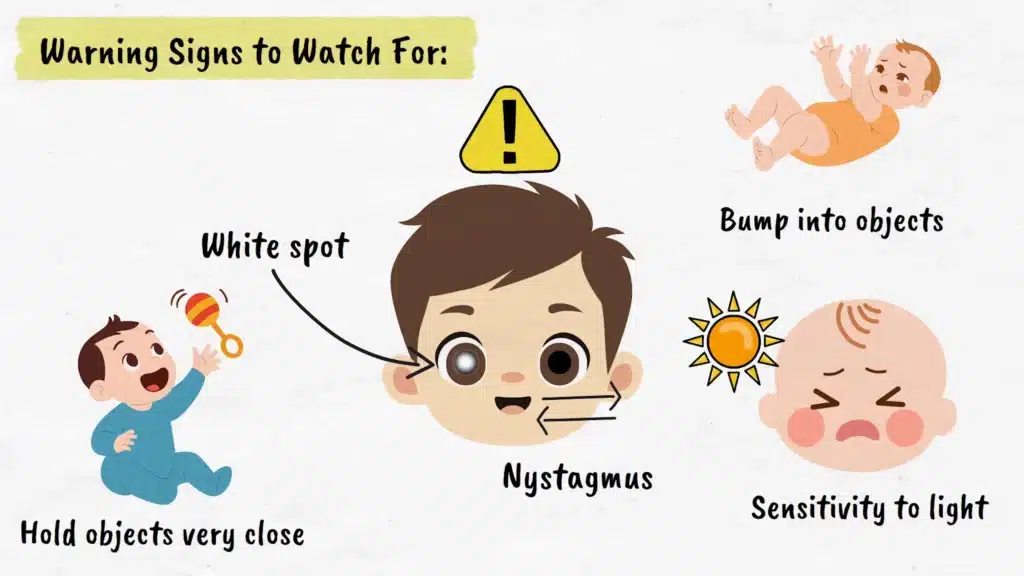
Early detection of pediatric cataracts is critical for protecting your child’s vision and preventing long-term complications. Knowing what signs to look for can help you identify a cataract before it causes serious vision problems.
You might notice that your child has a white or gray spot in the pupil of the eye. The pupil is normally black, so any cloudy appearance should concern you. Your child might frequently bump into objects because they are having trouble seeing. They might hold objects very close to their face or tilt their head at unusual angles to see better.
You may notice that your child’s eyes move in an uncontrolled way, a condition called nystagmus. Some children experience increased sensitivity to light and may squint or close their eyes in bright conditions. Your child might have difficulty following objects or tracking movement. If your child is old enough to communicate, they might complain that their vision is blurry or unclear.
Impact of Untreated Pediatric Cataracts
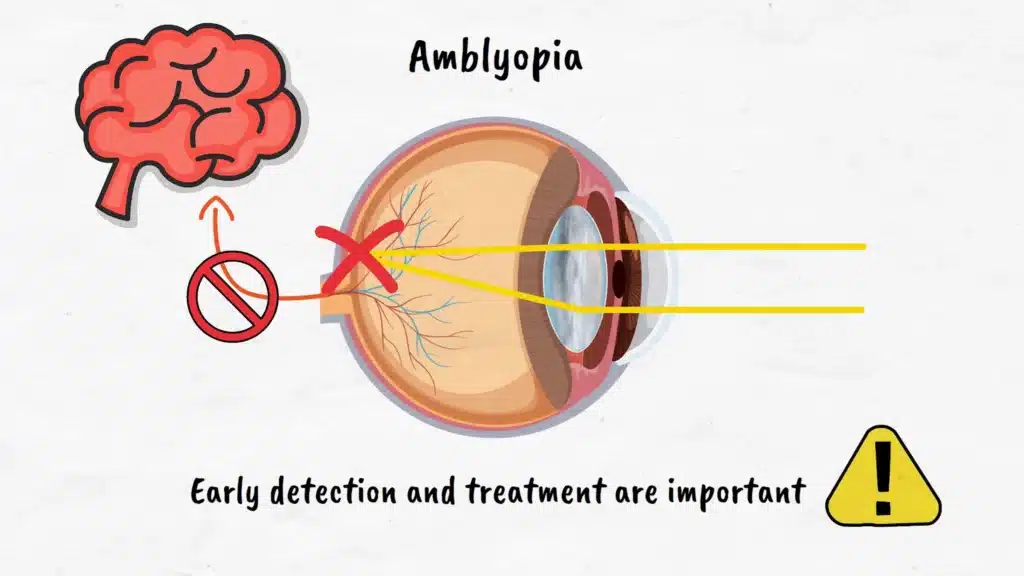
The impact of untreated pediatric cataracts can be serious and long-lasting. When light cannot reach the retina properly, the eye and brain do not develop normal vision pathways. This can lead to a condition called amblyopia, also known as lazy eye. If the cataract is dense or covers a large part of the lens, it can permanently affect your child’s vision development.
Early detection and treatment are absolutely crucial for protecting your child’s eyesight. The window for proper visual development in children is limited, which is why addressing cataracts promptly is essential.
Treatment Options for Pediatric Cataracts
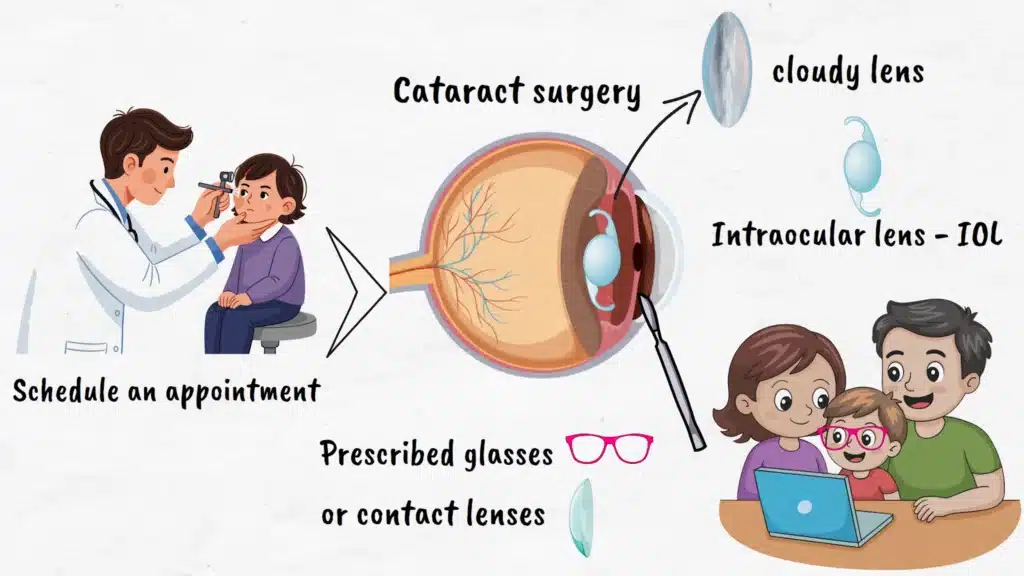
If you suspect your child has a cataract, the first step is to schedule an appointment with a pediatric ophthalmologist. The doctor will perform a thorough eye examination to confirm the diagnosis. If a cataract is found, your doctor may recommend surgery to remove the cloudy lens and restore clear vision.
During cataract surgery in children, the surgeon removes the cloudy lens through a small incision. In most cases, the surgeon will implant an artificial lens to replace the natural lens. This artificial lens, called an intraocular lens or IOL, helps the child see clearly. The surgery is usually performed on an outpatient basis, which means your child can go home the same day.
After surgery, your child will need to wear prescribed glasses or contact lenses and attend follow-up appointments to ensure proper healing and vision development. Regular monitoring by your eye care professional is important to track your child’s progress and ensure the best possible visual outcomes.
Protecting Your Child’s Vision
The good news is that with early detection and proper treatment, most children can develop good vision. Regular eye exams starting in infancy are essential for catching problems early. If you notice any changes in your child’s eyes or vision, contact an eye care professional immediately.
Taking action early can make all the difference in your child’s visual development. By staying vigilant about your child’s eye health and following through with recommended treatments, you can help ensure they have the best possible vision for their future.
