
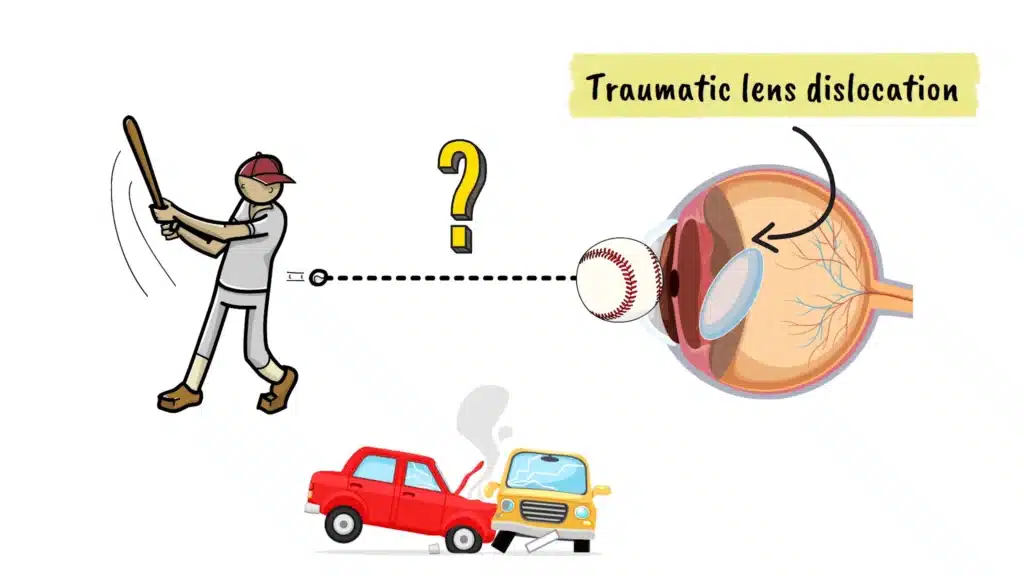
Ever wonder what happens when your eye gets hit really hard by something like a baseball or during a car accident? Well, one serious injury that can occur is called traumatic lens dislocation, and trust me, this is something you need to know about because it can threaten your vision permanently if not treated quickly.
How Your Eye’s Lens Works
To understand lens dislocation, let’s first talk about how your eye is structured. Inside your eye, there’s a clear lens that works just like the lens in a camera. This lens is held in place by tiny fibers called zonules, which you can think of like the strings on a puppet. These zonular fibers are attached to muscles called the ciliary body, and they keep your lens perfectly positioned so you can see clearly at different distances.
How Trauma Causes Lens Dislocation
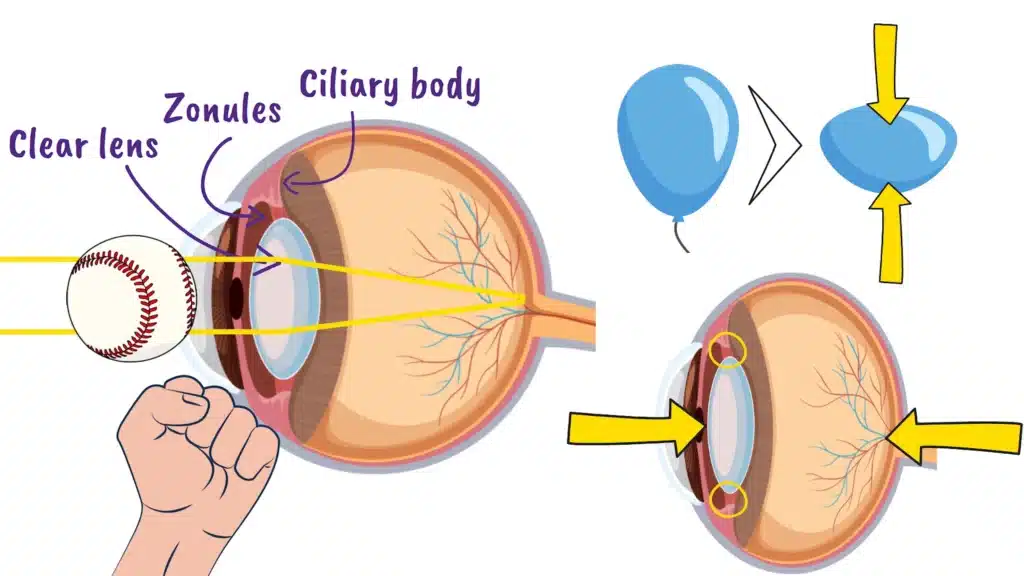
Now, when your eye experiences blunt trauma from something like a fist, ball, or steering wheel during an accident, the force creates a compression effect. Imagine squeezing a balloon from the front and back. When you do this, the balloon expands sideways to compensate for the pressure. The same thing happens to your eyeball during trauma. The eye gets compressed from front to back, causing it to expand outward in all directions. This sudden expansion stretches those delicate zonular fibers that hold your lens in place, and when they stretch too far, they can tear or break completely.
Partial vs. Complete Lens Dislocation
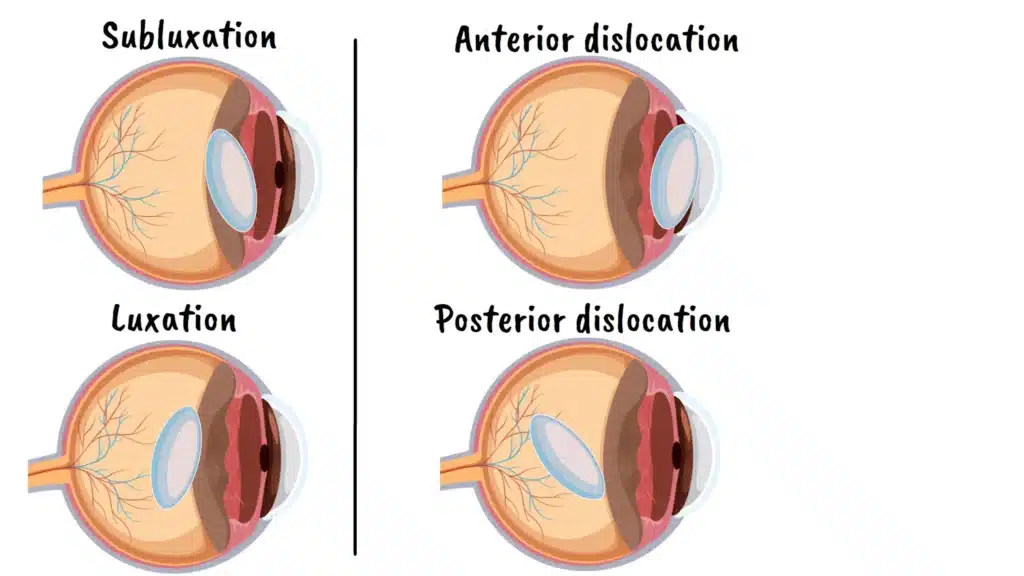
When only some of these zonular fibers break, we call it lens subluxation, which means the lens moves partially out of position but is still somewhat held in place. However, when all the fibers rupture, the lens becomes completely free-floating inside your eye, and this is called complete lens dislocation or luxation.
Types of Lens Dislocation: Anterior vs. Posterior
The dislocated lens can move in two main directions. It can go forward into the front part of your eye, which is called anterior dislocation, or it can fall backward into the back part of your eye, which is called posterior dislocation. These two types are managed very differently because they cause different problems and have vastly different urgency levels.
Anterior Lens Dislocation
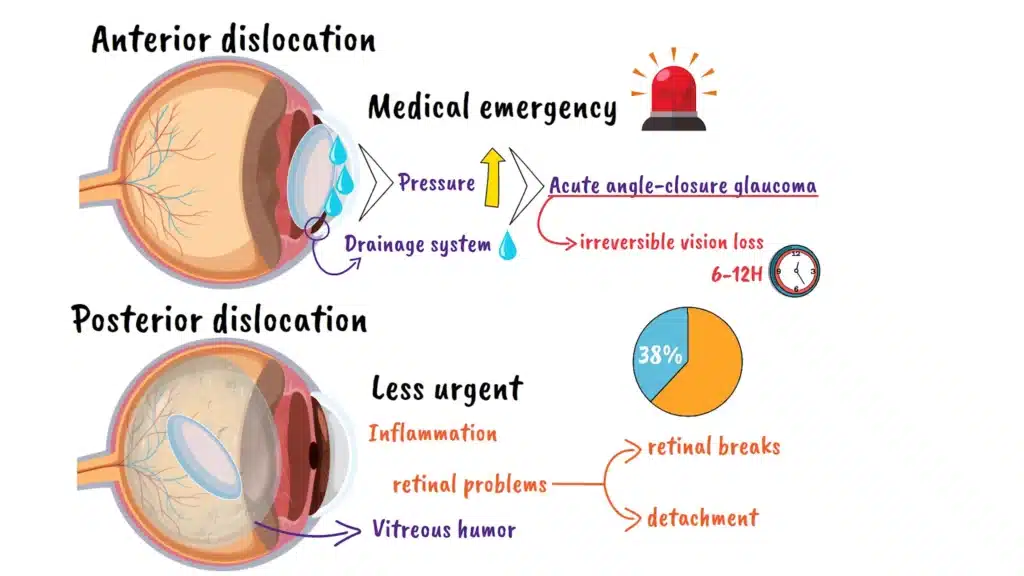
Anterior lens dislocation is considered a true medical emergency. When the lens moves forward, it can block the drainage system of your eye, causing fluid to build up and pressure to skyrocket. This creates a condition called acute angle-closure glaucoma, which can permanently damage your optic nerve and cause blindness within hours if not treated immediately. The pressure can rise so quickly that some patients develop irreversible vision loss in as little as six to twelve hours without intervention.
Posterior Lens Dislocation
Posterior lens dislocation, where the lens falls backward, is generally less urgent but still requires prompt medical attention. The lens can float around in the vitreous, the jelly-like substance that fills the back of your eye, potentially causing inflammation, retinal problems, or other complications over time. Interestingly, research shows that posterior dislocations are associated with retinal breaks or detachment in approximately thirty-eight percent of cases, making careful monitoring of the retina absolutely critical.
Symptoms of Traumatic Lens Dislocation
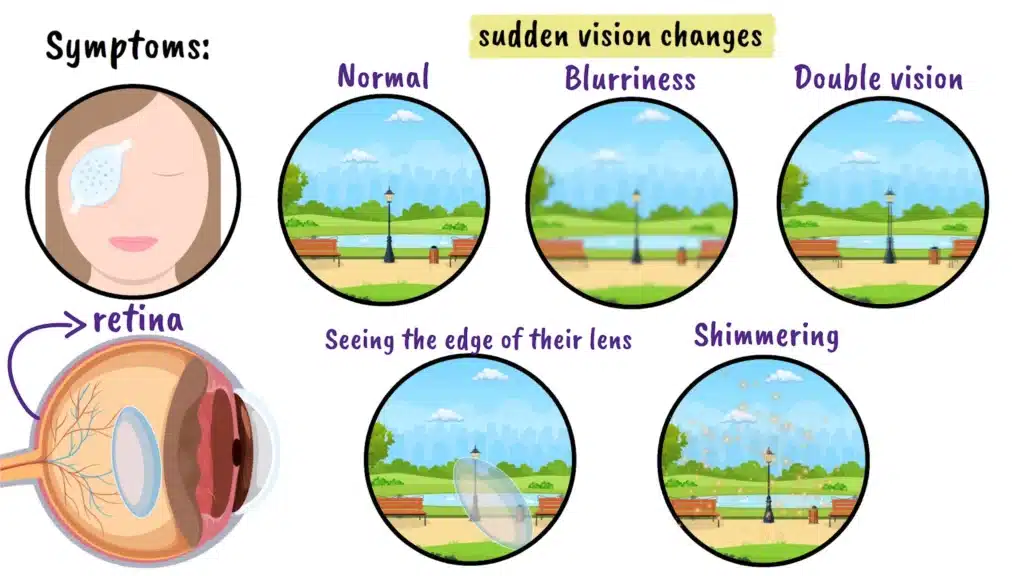
Patients with traumatic lens dislocation experience several symptoms that develop rapidly after injury. The most common complaint is sudden vision changes, ranging from blurriness to seeing double images with one eye. Some people describe seeing the edge of their lens if they look in certain directions, or notice that objects appear to have a shimmering or wavy quality. The vision problems depend on how severely the lens has moved and whether it’s blocking light from reaching the retina properly.
Eye Pain and Associated Symptoms
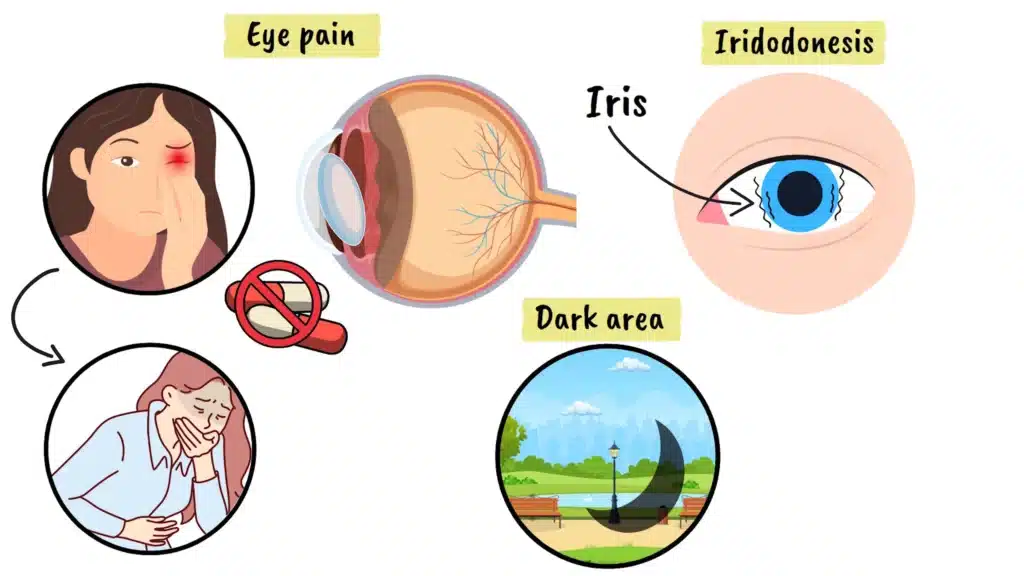
Eye pain is another significant symptom, especially with anterior dislocations where pressure builds up rapidly. Patients often report severe headache-like pain around the eye that gets worse quickly and doesn’t respond well to typical pain medications. The pain can be so intense that it causes nausea and vomiting, similar to what happens with other types of acute glaucoma.
Some people notice that their iris, the colored part of their eye, seems to shake or tremble when they move their eyes rapidly. This trembling, called iridodonesis, happens because the lens is no longer providing support to the iris.
Visual Disturbances
Another interesting symptom that patients sometimes report is seeing what appears to be a crescent-shaped shadow or dark area in their vision. This occurs when the displaced lens partially blocks light from entering certain parts of the eye, creating these characteristic visual disturbances.
Diagnosis of Traumatic Lens Dislocation
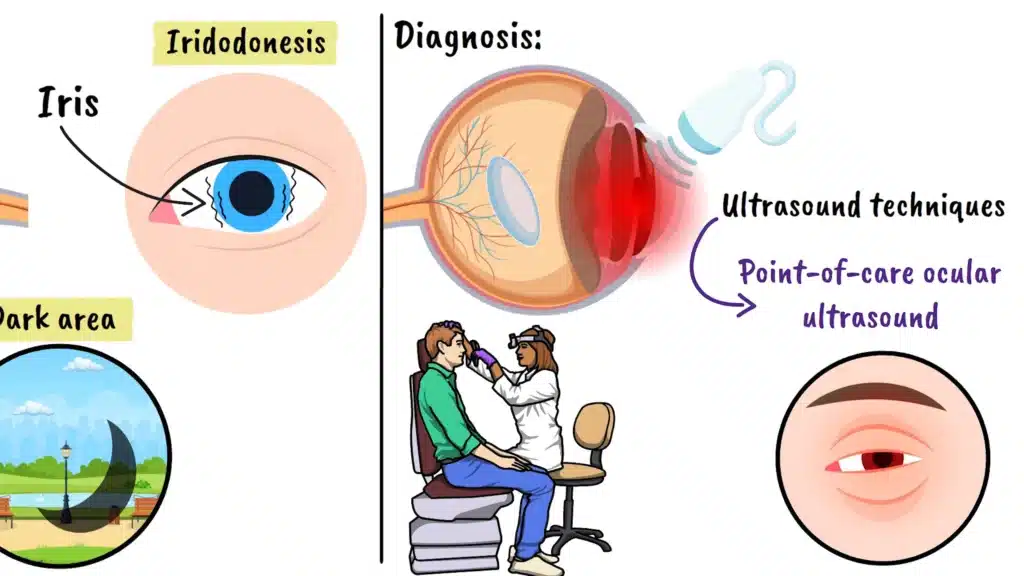
Diagnosing traumatic lens dislocation requires careful examination by medical professionals who understand the urgency of the situation. In emergency departments, doctors often use specialized ultrasound techniques to see inside the eye when direct examination is difficult due to swelling, bleeding, or other injuries that might obstruct the view. This point-of-care ocular ultrasound has become increasingly important because it can quickly identify lens displacement even when the front of the eye is too damaged or swollen for direct visualization.
Treatment and Emergency Response
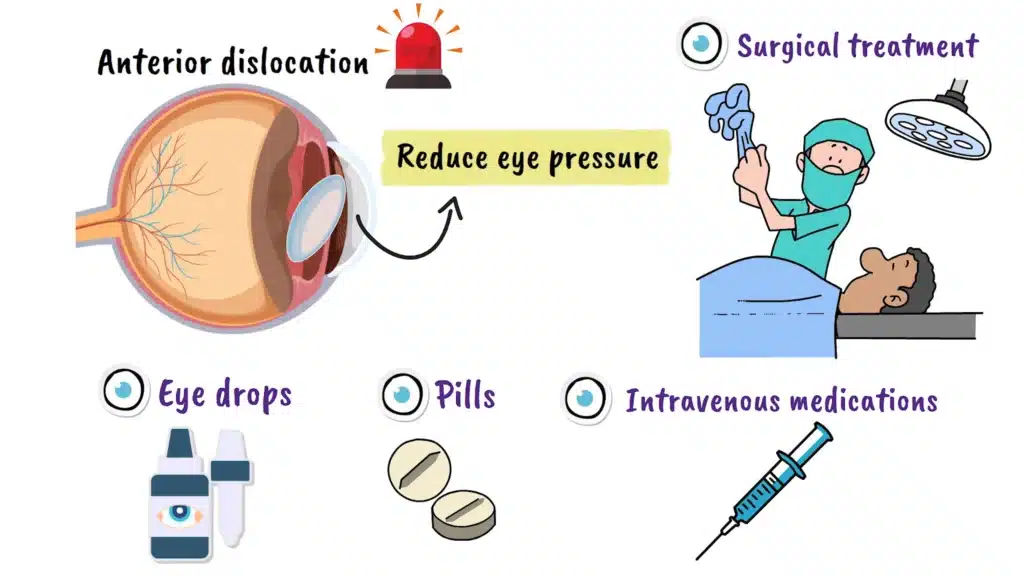
The key to successful treatment is acting quickly, especially for anterior dislocations where every minute counts. When a lens dislocates forward, doctors must immediately work to reduce the pressure in the eye using medications that help drain fluid and reduce inflammation. This might include powerful eye drops that force the drainage channels open, pills that reduce fluid production within the eye, or even intravenous medications that can rapidly bring down dangerously high pressures.
Surgical treatment varies dramatically depending on where the lens has moved and how much damage has occurred to surrounding structures. For anterior dislocations, emergency surgery is usually necessary within the first twenty-four hours to remove the displaced lens and replace it with an artificial one. The surgeon must work quickly and carefully to prevent permanent damage to the cornea, which can become cloudy and scarred when exposed to high pressures for extended periods.
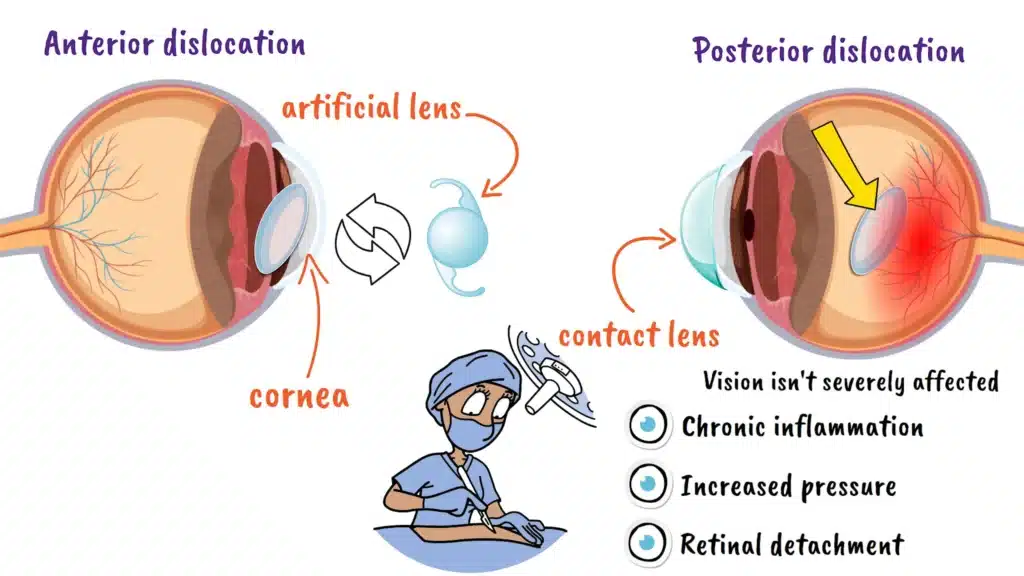
For posterior dislocations, the approach depends on several factors including the patient’s age, the condition of other eye structures, and how much the displaced lens is affecting vision. Sometimes, if the lens has fallen completely into the back of the eye and vision isn’t severely affected, doctors might initially manage the condition with special contact lenses that correct for the missing lens power. However, surgery is often recommended because displaced lenses in the back of the eye can cause delayed complications like chronic inflammation, increased pressure, or retinal detachment months or years later.
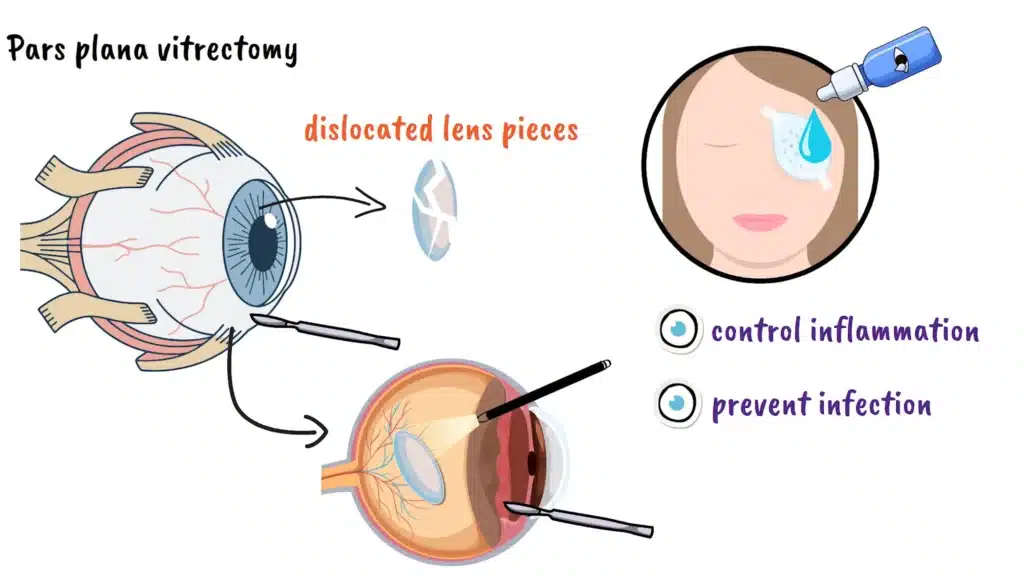
Modern surgical techniques for lens dislocation are quite sophisticated and have evolved significantly over the past two decades. Surgeons often use a procedure called pars plana vitrectomy, where they make tiny incisions through the white part of the eye and use specialized instruments to remove the dislocated lens pieces from inside the eye. This approach allows excellent visualization of the entire interior of the eye and permits careful removal of lens fragments without further damaging surrounding structures.
The recovery process after traumatic lens dislocation surgery is typically longer and more complex than routine cataract surgery. Patients usually need to use multiple types of eye drops for several weeks to control inflammation and prevent infection. The visual recovery can take several months, and many patients require glasses or contact lenses to achieve their best possible vision even after successful surgery.
How to prevent Traumatic Lens Dislocation
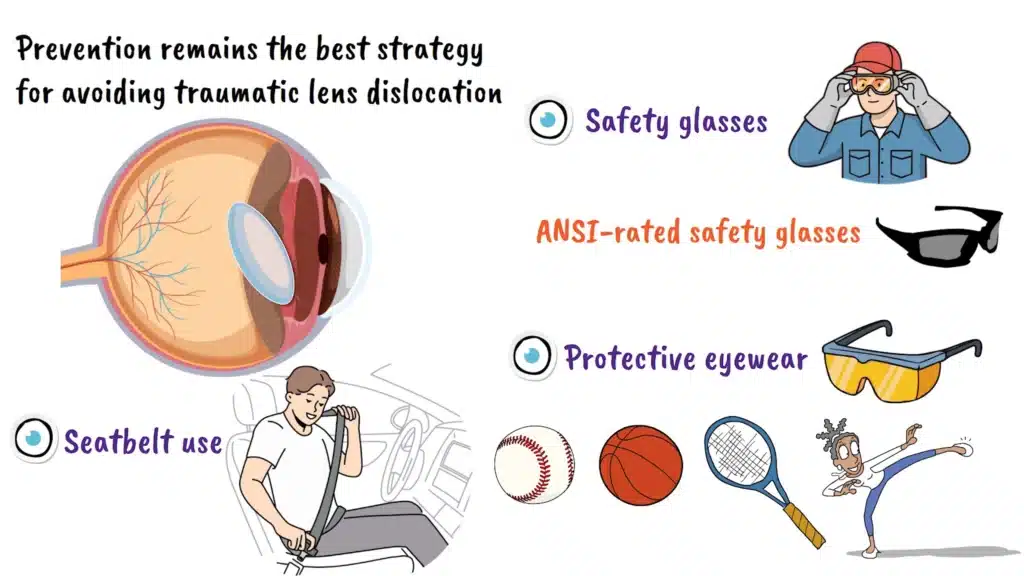
Prevention remains the best strategy for avoiding traumatic lens dislocation, and the statistics clearly demonstrate how effective protective measures can be. This means wearing appropriate protective eyewear during sports, especially high-risk activities like baseball, basketball, racquet sports, and martial arts. Modern sports goggles and safety glasses are designed to withstand significant impact while maintaining clear vision and comfort during activity.
Safety glasses should be mandatory in industrial settings where flying objects or chemical splashes pose risks. ANSI-rated safety glasses can prevent the vast majority of workplace eye injuries that might otherwise result in lens dislocation. During car travel, proper seatbelt use and ensuring airbags are functioning correctly can prevent the facial trauma that often leads to lens dislocation during accidents.
