
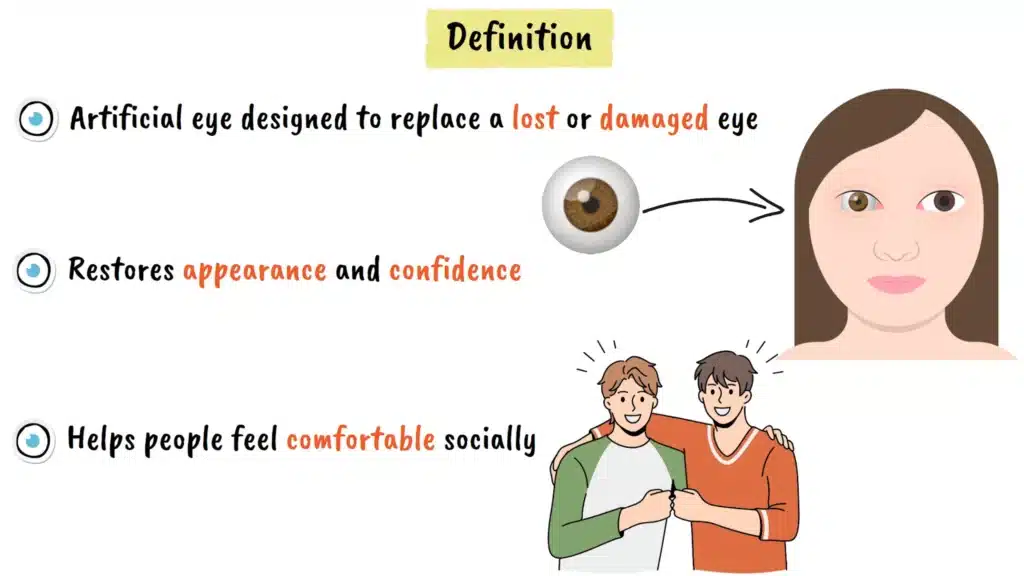
An ocular prosthesis is an artificial eye. It’s a custom-made device designed to replace a natural eye that has been lost, damaged, or removed due to injury, disease, or medical necessity. The prosthesis restores the appearance of the eye and gives people back their natural look and confidence. When someone loses an eye, an ocular prosthesis becomes a life-changing solution that helps them feel comfortable in social situations and regain their sense of normalcy.
How Ocular Prosthesis Is Made
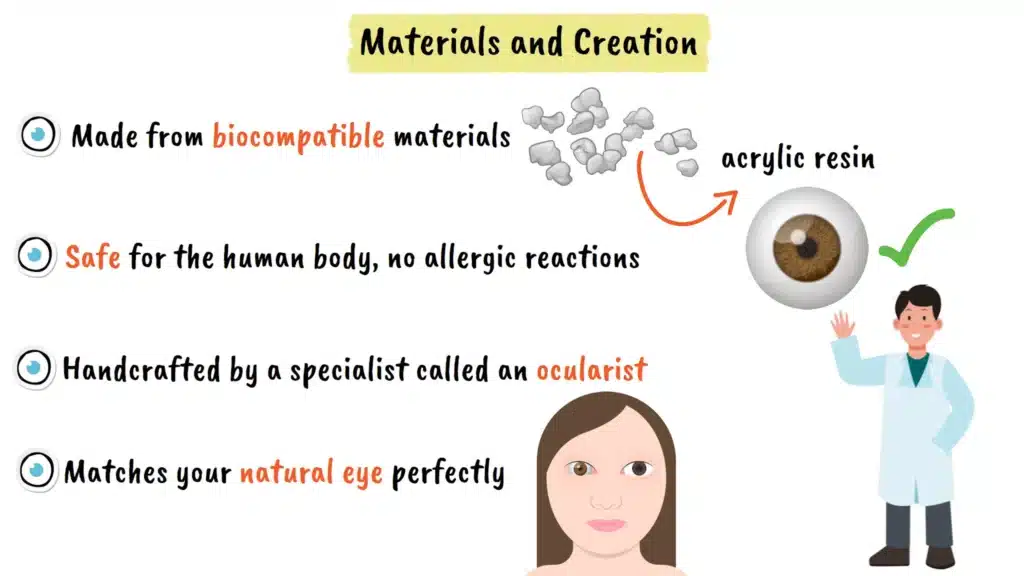
The artificial eye is made from biocompatible materials, typically acrylic resin, which is a durable plastic material similar to what your dentist uses for dentures. This material is safe for the human body and won’t cause allergic reactions or damage to the surrounding tissues. The prosthesis is meticulously handcrafted by a skilled specialist called an ocularist, who uses precise measurements and artistic technique to match your remaining natural eye perfectly. The result is a prosthesis that looks incredibly realistic and virtually indistinguishable from a real eye.
Why You Might Need an Ocular Prosthesis
Let’s now understand why people might need an ocular prosthesis. The most common reason is due to eye trauma or injury, such as a severe accident or workplace incident that damages the eye beyond repair. Another major cause is eye cancer, particularly a condition called retinoblastoma in children or melanoma in adults. Severe infections, chronic pain conditions affecting the eye, or complications from eye disease can also lead to the need for removal. Additionally, some people are born without an eye, a condition called anophthalmia, and an ocular prosthesis helps them achieve a normal appearance. Regardless of the cause, an ocular prosthesis offers a solution that helps people maintain their dignity and social confidence.

The Ocular Prosthesis Fitting Process
The fitting process for an ocular prosthesis is quite detailed and personalized. First, you’ll have a consultation with an ocularist who will examine your eye socket and take measurements. The ocularist will create a mold of the eye socket to ensure a perfect fit. This is important because the prosthesis must sit comfortably and stay in place throughout the day without causing irritation.
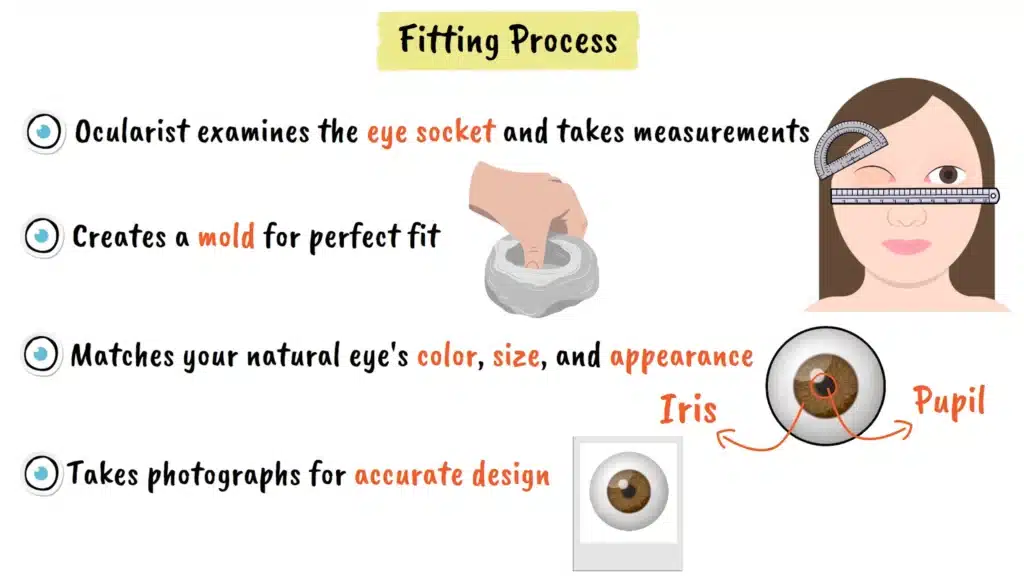
During the initial appointment, the ocularist will also match your natural eye’s color, size, and appearance. They’ll examine the iris, the colored part of your eye, and create a custom design that mimics the exact shade and pattern. The pupil, which is the black center part of the eye, will also be carefully matched to your other eye. The ocularist will take photographs and use advanced techniques to ensure the prosthesis looks natural and authentic.
Caring for Your Ocular Prosthesis
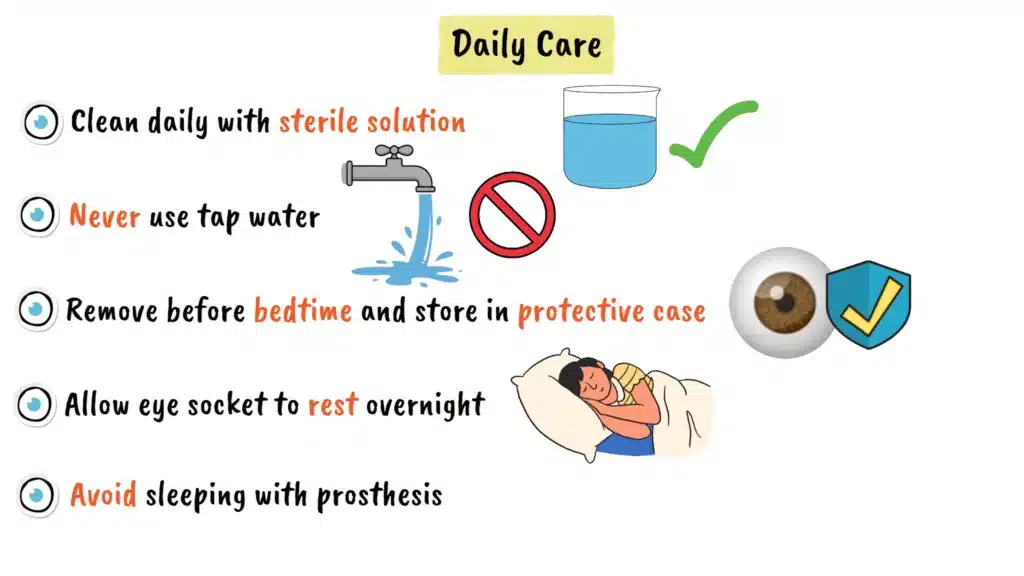
Caring for your ocular prosthesis is essential to maintain its appearance and functionality. You should clean your prosthesis daily using sterile solution, similar to how you’d care for contact lenses. Never use tap water because it can introduce bacteria. You should remove the prosthesis before bedtime and place it in a protective case with sterile solution overnight. This allows your eye socket to rest and the prosthesis to stay clean and hydrated. Avoid sleeping with the prosthesis in place to prevent irritation.
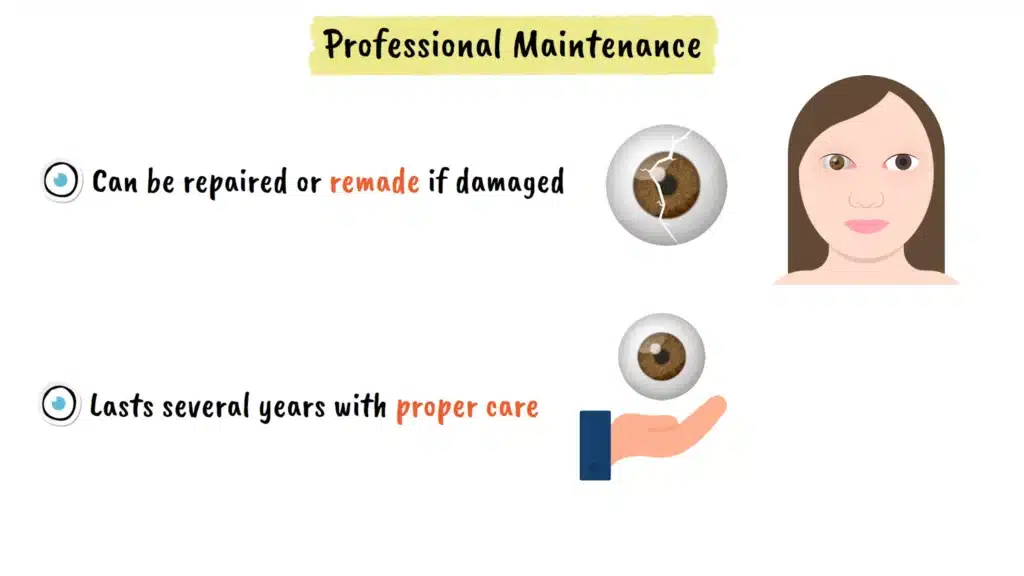
Your ocularist can also repair or remake your prosthesis if it becomes damaged, discolored, or if your eye socket changes over time due to age or other factors. Many people find that a well-maintained ocular prosthesis can last several years before needing replacement.
Conclusion
Thanks for reading. If you found this article helpful, feel free to share it and explore more content to learn about protecting your eye health.
